
1. Product Overview
This manual provides essential information for the Carbhub EA175V EA190V Carburetor, designed for various vertical engines and pressure washers. This manual choke carburetor is a replacement part intended to restore optimal engine performance.
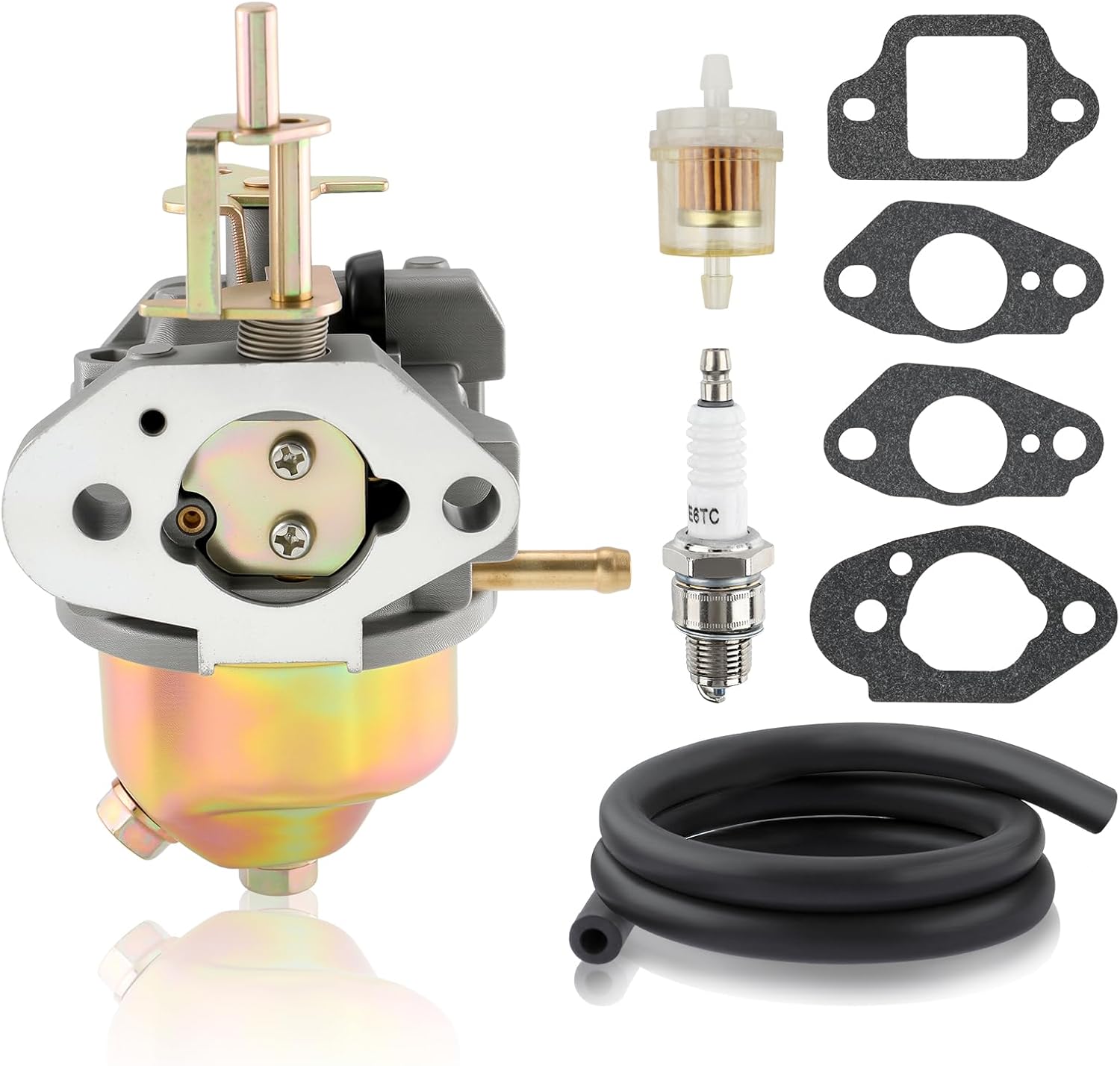
Figure 1.1: The Carbhub EA175V EA190V Carburetor kit, including the carburetor unit, spark plug, fuel filter, gaskets, and fuel hose.
2. Key Features
- Direct replacement for part number 16100Z02111002.
- Designed for manual choke operation.
- Engineered for easy installation and quick response.
- Constructed for stable and powerful engine performance.
- Built for durability and long service life.
- Undergoes stringent quality checks to meet high standards.

Figure 2.1: Visual representation of the carburetor's operational benefits, including ease of installation and reliable performance.

Figure 2.2: The carburetor is designed for high performance with no additional adjustments required after installation.

Figure 2.3: The product is a trustworthy option, having undergone stringent quality checks to ensure it meets the highest standards.

Figure 2.4: Multiple views of the carburetor, showcasing its design from different perspectives.
3. Compatibility and Fitment
This Carbhub EA175V EA190V Carburetor is compatible with a range of vertical engines and pressure washer models. Please verify your engine or pressure washer model number against the list below to ensure proper fitment.
Compatible Models:
- Subaru EA190V EA190VS Vertical Engine Pressure Washer
- Subaru Robin EA190VS5050 Engine Pressure Washer
- Yamaha MA190 Pressure Washer
- Powerstroke PS80312E Pressure Washer
- Subaru Ryobi EA175V Power Washer

Figure 3.1: Visual comparison of the Carbhub carburetor with a generic alternative, advising users to carefully check the product image for compatibility.
4. Package Contents
Upon opening the package, please ensure all the following components are present and undamaged:
- 1 x Manual Carburetor
- 1 x Spark Plug (for BPR6HS)
- 1 x Fuel Filter
- 4 x Gaskets
- 1 x 5*9*630mm Fuel Hose
5. Installation Guide
Installation of the carburetor requires basic mechanical knowledge. If you are unsure, it is recommended to seek professional assistance. Always ensure the engine is cool and disconnected from any power source before beginning installation.
General Installation Steps:
- Preparation: Gather necessary tools (wrenches, screwdrivers, pliers, fuel-safe container). Ensure the engine is off and cool. Disconnect the spark plug wire.
- Fuel Drainage: Drain any fuel from the fuel tank and fuel lines into a suitable container.
- Remove Old Carburetor:
- Locate the existing carburetor on your engine.
- Carefully disconnect the fuel line, throttle linkage, and choke linkage from the old carburetor.
- Unbolt the carburetor from the engine manifold. Note the position of any gaskets.
- Install New Carburetor:
- Ensure the mounting surfaces are clean.
- Place new gaskets (provided) in the correct positions between the engine, insulator (if applicable), and the new carburetor.
- Mount the new Carbhub carburetor onto the engine manifold, ensuring a snug fit. Tighten bolts evenly.
- Reconnect the throttle linkage, choke linkage, and the new fuel hose to the carburetor. Secure with clamps if necessary.
- Install the new spark plug and fuel filter.
- Final Checks:
- Refill the fuel tank with fresh, appropriate fuel.
- Check all connections for leaks.
- Reconnect the spark plug wire.
Note: This carburetor is designed for "no adjustment" after installation, simplifying the setup process. However, always ensure all connections are secure and free of leaks.
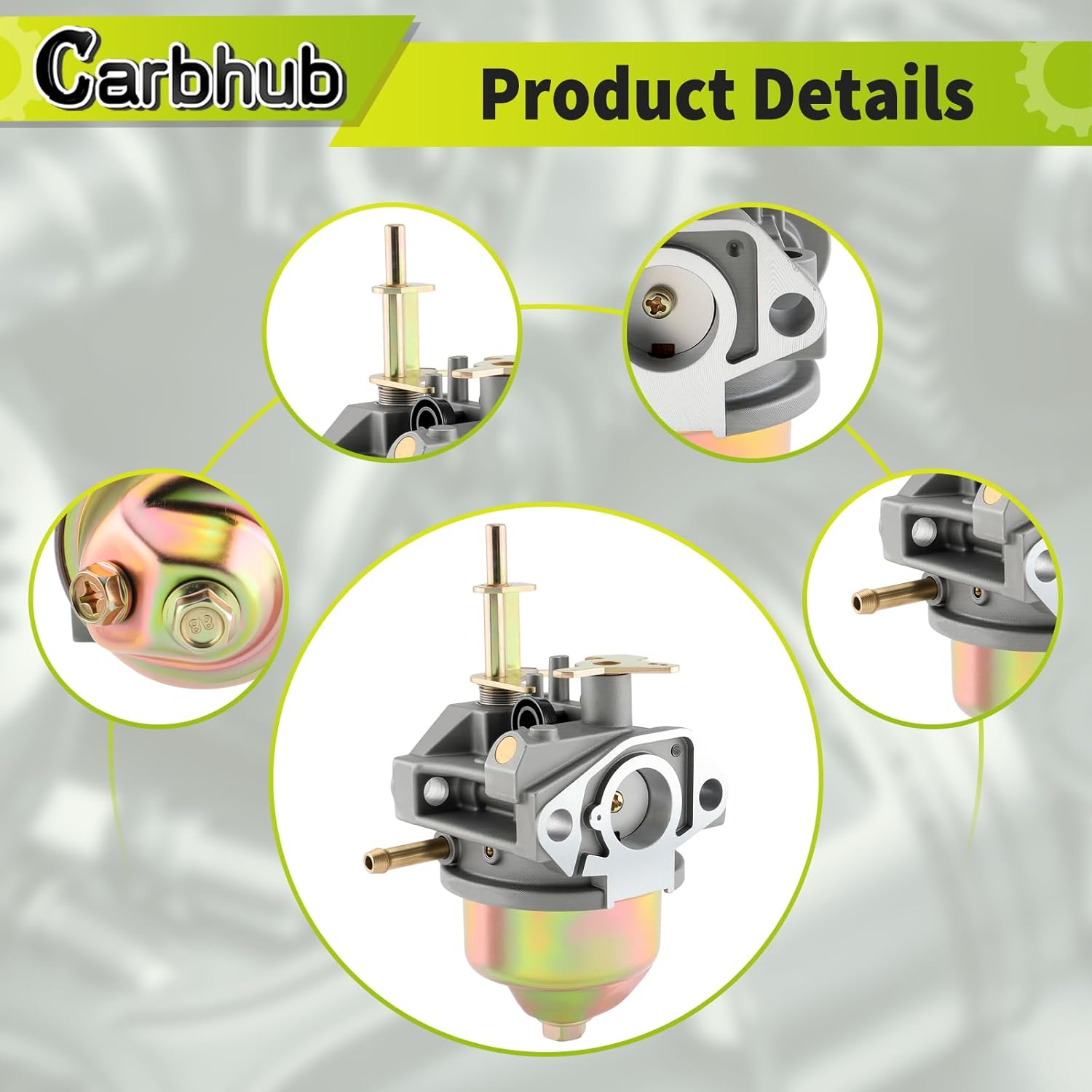
Figure 5.1: Close-up views of the carburetor's various parts, useful for understanding connection points during installation.
6. Operating Instructions
The Carbhub carburetor is a component of your engine's fuel system. Its operation is integrated with the overall engine function. This carburetor features a manual choke. Refer to your engine or pressure washer's primary instruction manual for specific starting and operating procedures, especially regarding choke usage.
General Operation Notes:
- Choke Operation: For cold starts, engage the manual choke as per your engine's instructions. Once the engine starts and warms up, gradually disengage the choke.
- Fuel Quality: Always use fresh, clean fuel of the recommended type for your engine. Stale or contaminated fuel can lead to carburetor issues.
- Engine Performance: A properly installed carburetor should provide stable and powerful engine performance, with quick response to throttle inputs.
7. Maintenance
Regular maintenance of your carburetor and fuel system components is crucial for optimal engine performance and longevity. This includes periodic inspection and cleaning.
Recommended Maintenance:
- Fuel Filter Replacement: The included fuel filter should be replaced periodically, or if it appears clogged or dirty, to prevent contaminants from reaching the carburetor.
- Spark Plug Inspection/Replacement: Inspect the spark plug (BPR6HS type) regularly for wear or fouling. Replace if necessary to ensure proper ignition.
- Fuel Hose Inspection: Check the fuel hose for cracks, leaks, or hardening. Replace if any damage is observed.
- Carburetor Cleaning: If the engine experiences fuel-related issues (e.g., rough idling, stalling, loss of power), the carburetor may require cleaning. This typically involves disassembling the carburetor, cleaning jets and passages with carburetor cleaner, and replacing gaskets if necessary.
- Fuel Storage: When storing the engine for extended periods, drain the fuel system or use a fuel stabilizer to prevent fuel degradation and gumming in the carburetor.
8. Troubleshooting Common Issues
This section provides guidance for common issues that may arise. If problems persist after following these steps, consult a qualified technician.
| Problem | Possible Cause | Solution |
|---|---|---|
| Engine will not start | No fuel, clogged fuel filter, faulty spark plug, incorrect choke position. | Check fuel level. Replace fuel filter. Inspect/replace spark plug. Adjust choke. |
| Engine runs rough or stalls | Dirty carburetor, stale fuel, air leak around carburetor gaskets. | Clean carburetor. Drain old fuel and refill with fresh fuel. Check and replace gaskets if damaged. |
| Fuel leaks from carburetor | Damaged gaskets, loose connections, float needle issue. | Inspect and replace gaskets. Tighten connections. Inspect float and needle valve for proper seating. |
| Loss of power | Partially clogged carburetor, restricted fuel flow. | Clean carburetor. Ensure fuel filter is clear. |
9. Product Specifications
| Attribute | Detail |
|---|---|
| Brand | Carbhub |
| Model Number | 16100Z02111002 |
| Item Weight | 14 ounces |
| Package Dimensions | 5.04 x 3.35 x 2.8 inches |
| Manufacturer | Carbour |
| First Available Date | March 12, 2025 |

Figure 9.1: Key dimensions of the Carbhub carburetor for reference during installation or comparison.
10. Warranty and Support
Specific warranty information for this product is not detailed in the provided product data. For warranty claims or technical support, please contact the manufacturer, Carbhub, or the seller, Carbour, directly through their official channels or the platform where the product was purchased.
For further assistance, refer to the contact information provided with your purchase or visit the Carbhub brand page on Amazon.