
1. Product Overview
The Medline Dependable Steel Rollator Walker (Model MDS86830EBLS) is designed to provide reliable support and enhanced mobility for individuals requiring assistance with walking. Its robust construction and user-friendly features aim to improve independence and comfort.
Key Features:
- Lightweight, Steel Frame: Constructed from reinforced steel, the rollator weighs approximately 19 lbs. and supports a maximum weight capacity of 300 lbs.
- Adjustable Handles: Handle height can be adjusted between 31-35 inches to accommodate various user heights, ensuring ergonomic posture.
- Padded Seat and Backrest: Features a comfortable 12x12 inch padded seat and a padded backrest for resting, with a seat height of 20.5 inches.
- Easy-to-Use Brakes: Ergonomic hand brakes allow for easy stopping by squeezing the levers. Pushing the levers down locks the wheels in place for stability when sitting or standing.
- Foldable Design: The steel frame folds flat for convenient transport and compact storage.
- 6-inch Wheels: Equipped with 6-inch wheels designed for smooth movement across various indoor and outdoor terrains.
- Under-Seat Storage: Includes a spacious bag located under the seat for carrying personal belongings.

Image 1: The Medline Dependable Steel Rollator Walker, showcasing its design and features.
2. Setup and Assembly
The Medline Dependable Steel Rollator Walker arrives largely pre-assembled. Follow these steps for final setup and to prepare your rollator for use:
- Unfold the Rollator: Carefully remove the rollator from its packaging. Stand it upright and gently pull the sides apart until the frame locks into its open position. Ensure all locking mechanisms are securely engaged.
- Install/Secure the Seat: The padded seat should be positioned between the side frames. Ensure it is properly seated and secured according to the manufacturer's design.
- Adjust Handle Height: Locate the adjustment knobs on the handle posts. Loosen the knobs, raise or lower the handles to a comfortable height (between 31-35 inches), and then securely tighten the knobs. The handles should be at wrist level when standing upright with arms relaxed.
- Attach Backrest: If the backrest is not already attached, slide it into the designated slots on the frame behind the seat. Ensure it is firmly in place.
- Verify Brakes: Test both hand brakes to ensure they engage and lock properly. Squeeze the levers to slow down, and push them down to lock the wheels.

Image 2: Adjusting the handle height for personalized comfort and support.

Image 3: Detailed diagram illustrating the various features and components of the rollator.
3. Operating Instructions
Proper operation of your rollator walker is essential for safety and effective mobility. Always ensure you are comfortable and stable before moving.
Walking with the Rollator:
- Stand upright with the rollator in front of you, holding both handles firmly.
- Push the rollator forward a short distance, then step forward with one foot, followed by the other.
- Maintain a steady pace and keep your body centered between the handles for balance.
Using the Brakes:
- To Slow Down or Stop: Gently squeeze both hand brake levers simultaneously. Release the levers to resume movement.
- To Lock Wheels (Parking Brake): When you need to sit or remain stationary, push both hand brake levers down until they click into the locked position. This prevents the rollator from moving.
- To Release Locked Wheels: Pull the hand brake levers back up until they release from the locked position.

Image 4: Demonstrating how to engage the parking brakes for stability.
Using the Seat:
- Always engage the parking brakes before attempting to sit down or stand up from the seat.
- Turn around so your back is to the seat. Slowly lower yourself onto the padded seat.
- Use the backrest for support while resting.

Image 5: The rollator's padded seat and backrest provide a comfortable resting spot.
Folding for Transport/Storage:
- Ensure the under-seat storage bag is empty.
- Lift the padded seat upwards.
- Locate the folding mechanism (often a strap or bar under the seat) and pull it to collapse the frame.
- Secure the folded rollator if a locking clip is present.
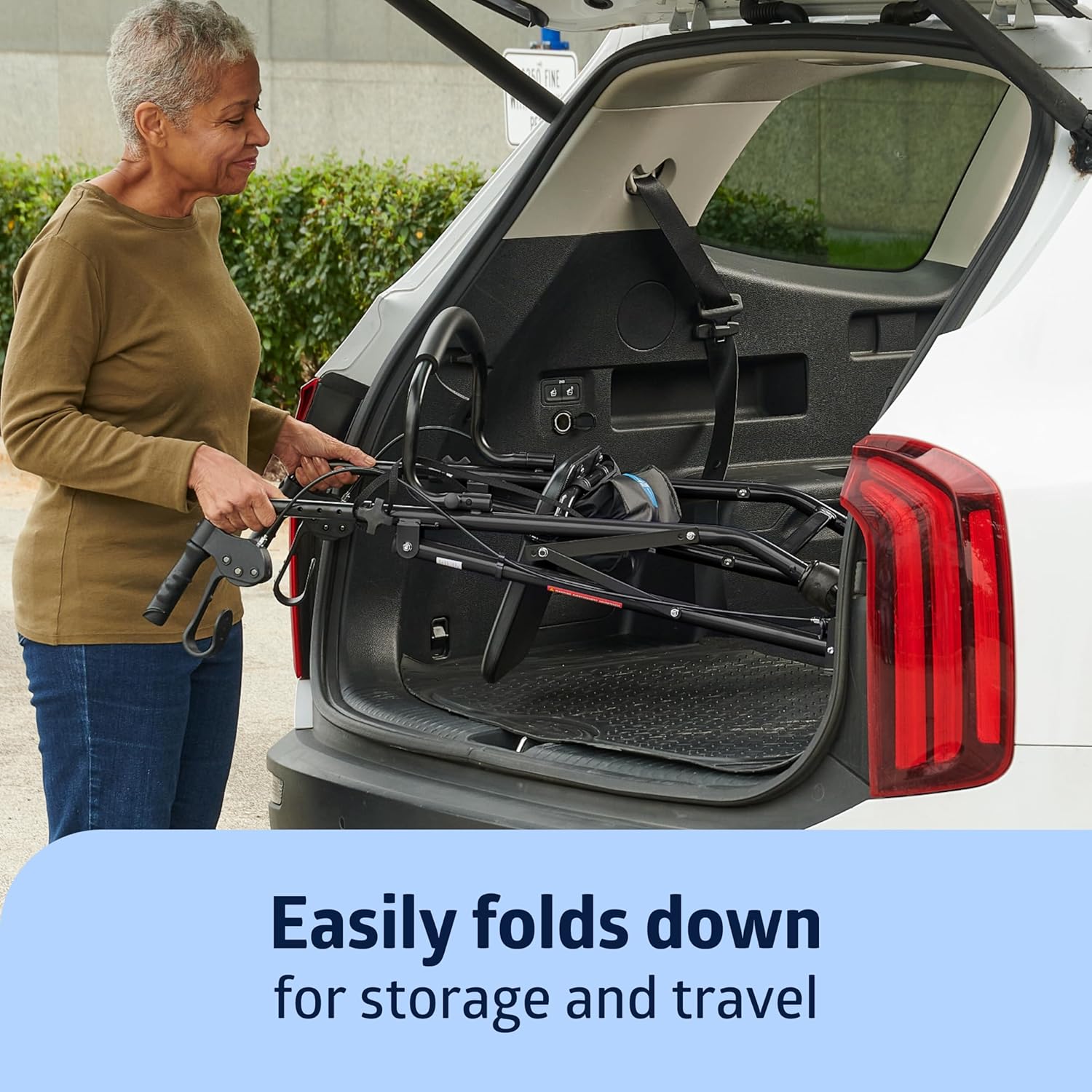
Image 6: The rollator folds compactly for easy storage and transportation.
4. Maintenance
Regular maintenance is crucial to ensure the safe and reliable operation of your Medline Rollator Walker. Perform these checks periodically:
- Cleaning: Wipe down the frame, seat, and backrest with a damp cloth and mild, non-abrasive detergent. Dry thoroughly. Avoid harsh chemicals that could damage the materials.
- Wheel Inspection: Regularly check the 6-inch wheels for any debris (hair, lint, dirt) that may impede smooth rolling. Clean as necessary. Ensure all wheels spin freely and are securely attached.
- Brake System Check: Test the hand brakes frequently. Ensure they engage smoothly and effectively slow down the rollator. Verify that the parking brakes lock the wheels completely when pushed down. If brakes feel loose or ineffective, consult a qualified technician for adjustment or repair.
- Frame and Fasteners: Inspect the steel frame for any signs of cracks, bends, or damage. Check all screws, bolts, and fasteners to ensure they are tight. Do not use the rollator if any part of the frame is compromised or if fasteners are loose.
- Storage Bag: Empty and clean the under-seat storage bag as needed. Ensure it is securely attached to the frame.
5. Troubleshooting
If you encounter any issues with your Medline Rollator Walker, refer to the following common troubleshooting tips:
- Wheels Not Rolling Smoothly:
- Check for any obstructions (e.g., hair, carpet fibers) wrapped around the wheel axles.
- Ensure the wheels are clean and free of dirt buildup.
- If the issue persists, the wheel bearings might require professional inspection or lubrication.
- Brakes Not Engaging or Locking Properly:
- Inspect the brake cables for any kinks, fraying, or damage.
- Ensure the brake levers are fully squeezed or pushed down to engage the brakes.
- If the brakes feel loose, they may need adjustment. Consult a qualified technician. Do not use the rollator if the brakes are not fully functional.
- Difficulty Folding the Rollator:
- Ensure the under-seat storage bag is empty and the seat is fully lifted.
- Check for any items or obstructions preventing the frame from collapsing smoothly.
- Apply even pressure when pulling the folding mechanism.
- Rollator Feels Unstable:
- Verify that all frame components are securely locked into place after unfolding.
- Ensure the handle heights are adjusted evenly on both sides.
- Check for any loose fasteners on the frame or wheels.
6. Specifications
| Feature | Specification |
|---|---|
| Model Number | MDS86830EBLS |
| Brand | Medline |
| Weight Capacity | 300 lbs |
| Rollator Weight | 19 lbs |
| Wheel Size | 6 inches |
| Adjustable Handle Height | 31-35 inches |
| Seat Dimensions | 12 x 12 inches (padded) |
| Seat Height | 20.5 inches |
| Material Type | Alloy Steel |
| Color | Black |
| Foldable | Yes |
7. Warranty and Support
For specific warranty details, please refer to the documentation included with your Medline Dependable Steel Rollator Walker. Typically, warranty coverage addresses manufacturing defects under normal use.
To make a warranty claim or for technical support, please retain your proof of purchase (receipt) and contact Medline customer service. Contact information can usually be found on the product packaging or on the official Medline website.
It is recommended to register your product, if applicable, to facilitate any future support needs.