
1. Introduction
This manual provides essential instructions for the installation, operation, and maintenance of your Renogy Rover 20A MPPT Charge Controller. Please read this manual thoroughly before installation and use to ensure optimal performance and safety. Keep this manual for future reference.

Figure 1.1: Renogy Rover 20A MPPT Charge Controller
The Renogy Rover 20A MPPT Charge Controller is designed to optimize the charging process from your solar panels to your battery bank. It features Maximum Power Point Tracking (MPPT) technology, ensuring high efficiency even under varying light conditions. This controller is compatible with 12V and 24V battery systems and supports various battery types, including Gel, Sealed, Flooded, and Lithium.
2. Safety Information
Please observe the following safety precautions during installation and operation:
- Always connect the battery to the charge controller first, then the solar panel, and finally the load. Disconnect in the reverse order.
- Ensure all wiring is correctly sized and connections are secure to prevent loose connections that can cause excessive heating.
- Install the charge controller in a well-ventilated area, away from flammable materials and direct sunlight.
- Do not disassemble or attempt to repair the charge controller. Contact Renogy support for assistance.
- Wear appropriate personal protective equipment, including eye protection, when working with batteries and electrical systems.
- Ensure the system voltage does not exceed the maximum input voltage of the controller (100V).
3. Package Contents
Verify that all items are included in your package:
- Renogy Rover 20A MPPT Solar Charge Controller
- Temperature Sensor Cable
- User Manual (this document)
4. Product Features
The Renogy Rover 20A MPPT Charge Controller offers advanced features for efficient solar power management:
- Dual-Peak MPPT Technology: Achieves up to 99.9% tracking efficiency and 98% conversion efficiency, optimizing solar harvest even in partial shading or cloudy conditions.
- Wide Battery Compatibility: Supports Gel, Sealed, Flooded, and Lithium battery types.
- Temperature Compensation: Operates effectively across a wide temperature range (-40°F to 149°F) with automatic charging adjustments to protect batteries.
- Comprehensive Protections: Includes TVS surge protection against lightning strikes, reverse polarity, overcharging, over-discharging, overload, and short-circuit protection.
- 4-Stage Charging: Provides precise Bulk, Absorption, Float, and Equalization charging for lead-acid batteries, extending their lifespan.
- Lithium Battery Reactivation: Safely revives deeply discharged lithium batteries.
- LCD Display & Data Logging: Backlit LCD displays real-time voltage, current, and error information. Stores up to one year of performance data.
- Modbus Support: Integrates Modbus protocol for smart home solar kits and remote monitoring.
- Direct DC Load Output: Can directly power DC appliances and handle capacitive load surges. Features load scheduling via timer.
- App Monitoring (Optional): Compatible with the BT-2 module (sold separately) for monitoring via the Renogy DC Home App.
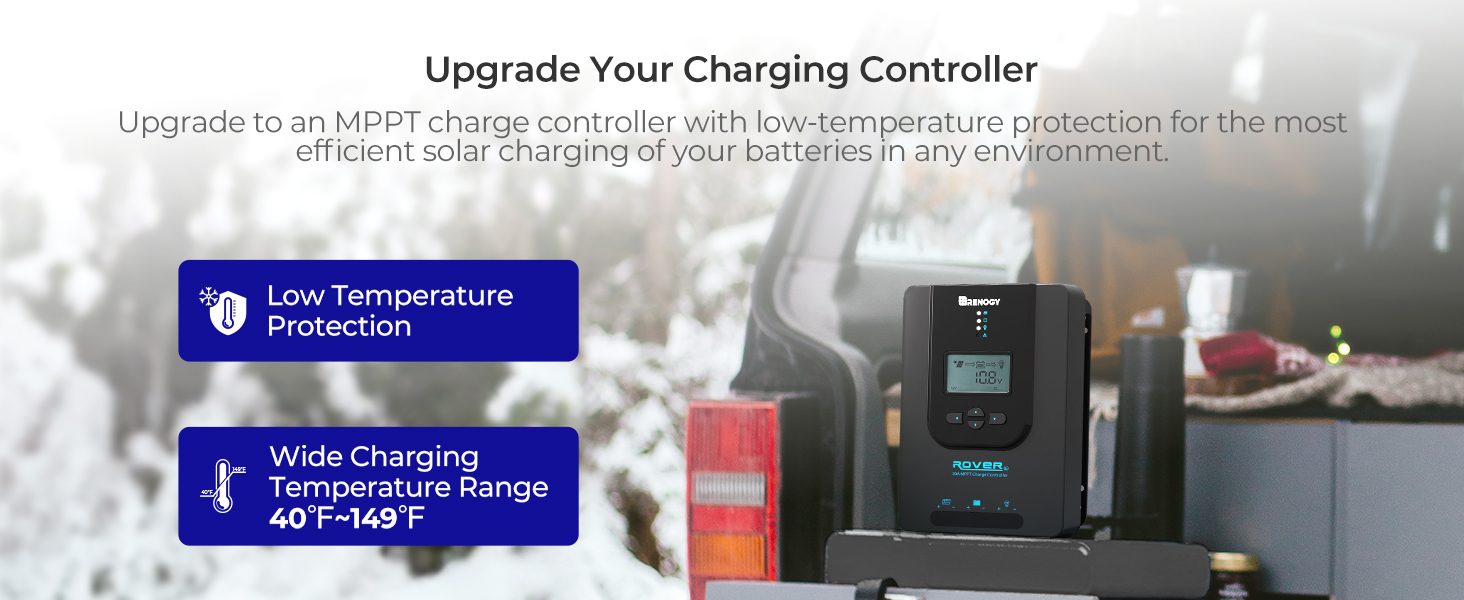
Figure 4.1: Maximizing Solar Harvest with 99% Tracking Efficiency

Figure 4.2: Charge Controller with Wide Temperature Adaptability (-40°F to 149°F)
5. Setup and Installation
Follow these steps for proper installation of your charge controller:
- Mounting: Choose a dry, well-ventilated location for mounting the controller. Ensure there is sufficient clearance around the unit for heat dissipation. Mount vertically on a non-flammable surface.
- Wiring Sequence:
- Connect the battery cables to the battery terminals on the charge controller. Ensure correct polarity (+ to + and - to -).
- Connect the solar panel cables to the PV terminals on the charge controller. Ensure correct polarity.
- Connect the load cables to the load terminals on the charge controller (optional). Ensure correct polarity.
- Temperature Sensor: Connect the included temperature sensor cable to the designated port on the controller. Place the sensor near the battery to enable accurate temperature compensation for charging.
- Initial Power-Up: Once all connections are secure, the controller will power on and display system information on the LCD.
Important: Always connect the battery first and disconnect the battery last to prevent damage to the controller.
6. Operating Instructions
The LCD display and buttons allow you to monitor and configure the charge controller.
6.1. LCD Display Navigation
Use the buttons on the front panel to navigate through the display screens and adjust settings. Refer to the on-screen prompts for specific actions like 'Select' or 'Enter'.
6.2. Battery Type Selection
The controller automatically detects 12V/24V system voltages for non-lithium batteries. For lithium batteries, you must manually adjust the battery voltage setting through the controller's menu to ensure proper charging parameters.
6.3. Lithium Battery Activation
The controller includes a lithium battery activation function. This feature allows charging of deeply discharged lithium batteries that might otherwise be unresponsive.

Figure 6.1: Lithium Activation ON
To prevent over-activation and unnecessary activation, you can turn OFF the lithium activation function. This helps avoid potential damage to the battery if it is not intended for activation.

Figure 6.2: Lithium Activation OFF
6.4. Monitoring and Load Control
The LCD provides real-time data on solar input, battery status, and load output. You can also configure load settings, including timers for scheduled operation of connected DC appliances.
7. Maintenance
Regular maintenance ensures the longevity and optimal performance of your charge controller:
- Inspect Connections: Periodically check all wiring connections for tightness and corrosion. Ensure no wires are frayed or damaged.
- Clean the Controller: Keep the controller clean and free from dust and debris. Use a dry cloth to wipe the surface. Do not use liquids or solvents.
- Ventilation: Ensure the installation area remains well-ventilated to prevent overheating.
- Battery Inspection: Regularly inspect your batteries for any signs of damage, swelling, or leaks.
8. Troubleshooting
If you encounter issues with your charge controller, refer to the following common problems and solutions:
| Problem | Possible Cause | Solution |
|---|---|---|
| Controller not powering on | Loose battery connection, battery voltage too low | Check battery wiring and voltage. Ensure battery is connected first. |
| No solar charging | Solar panel not connected, insufficient sunlight, incorrect polarity | Verify solar panel connections and polarity. Check for shading. |
| Load not working | Load disconnected, overload, load timer active | Check load connections. Reduce load. Adjust load timer settings. |
| Incorrect voltage readings | Loose connections, faulty sensor | Check all wiring. Ensure temperature sensor is properly connected. |
For persistent issues or error codes not listed, please contact Renogy customer support.
9. Specifications
| Specification | Value |
|---|---|
| Brand | Renogy |
| Model | Rover 20A MPPT |
| Max Charge Current | 20A |
| System Voltage | 12V/24V Auto-Detect (DC) |
| Max PV Input Voltage | 100V |
| Tracking Efficiency | 99.9% |
| Conversion Efficiency | 98% |
| Display Type | LCD |
| Operating Temperature Range | -40°F to 149°F (-40°C to 65°C) |
| Material | Acrylonitrile Butadiene Styrene (ABS), Plastic |
| Item Weight | 1.59 Kilograms |
| UPC / GTIN | 840315237445 |
10. Warranty and Support
The Renogy Rover 20A MPPT Charge Controller comes with a 3-year material and workmanship warranty. This warranty covers defects in materials and manufacturing under normal use.

Figure 10.1: 3-Year Material and Workmanship Warranty
For warranty claims, technical assistance, or any questions regarding your product, please contact Renogy customer support. Keep your purchase receipt as proof of purchase for warranty services.
You can find more information and contact details on the official Renogy website: www.renogy.com


