1. Introduction
The Generic ISR4321/K9 is a high-performance, modular Integrated Services Router designed for small to medium-sized branch offices. This device provides a flexible and scalable solution for routing, security, and application services, supporting high-speed internet access, secure VPN connectivity, and seamless integration with cloud-based services. The K9 suffix denotes advanced security features, including encryption, firewalls, and VPN support, ensuring a secure and reliable network environment. Its modular design facilitates easy expansion of features such as additional network interfaces, storage, and services to adapt to evolving business requirements.
Key Features:
- High-Performance Routing: Delivers robust routing capabilities with support for static and dynamic protocols (e.g., OSPF, EIGRP, BGP) for efficient WAN performance.
- Advanced Security: Integrates IOS XE security features, including firewall protection, VPN (IPsec/SSL), intrusion prevention, and Umbrella integration for comprehensive threat defense.
- Dual WAN Support: Offers primary and backup WAN links to ensure uninterrupted internet connectivity and automatic failover during network outages.
- High Availability: Supports High Availability (HA) configurations for redundancy, enhancing network reliability in the event of hardware failure.
2. Package Contents
Verify that all items are present in the package before proceeding with installation. If any items are missing or damaged, contact your vendor.
- ISR4321/k9 Router
- Accessories (e.g., power adapter, Ethernet cable)
- Menu Instruction (Quick Start Guide)
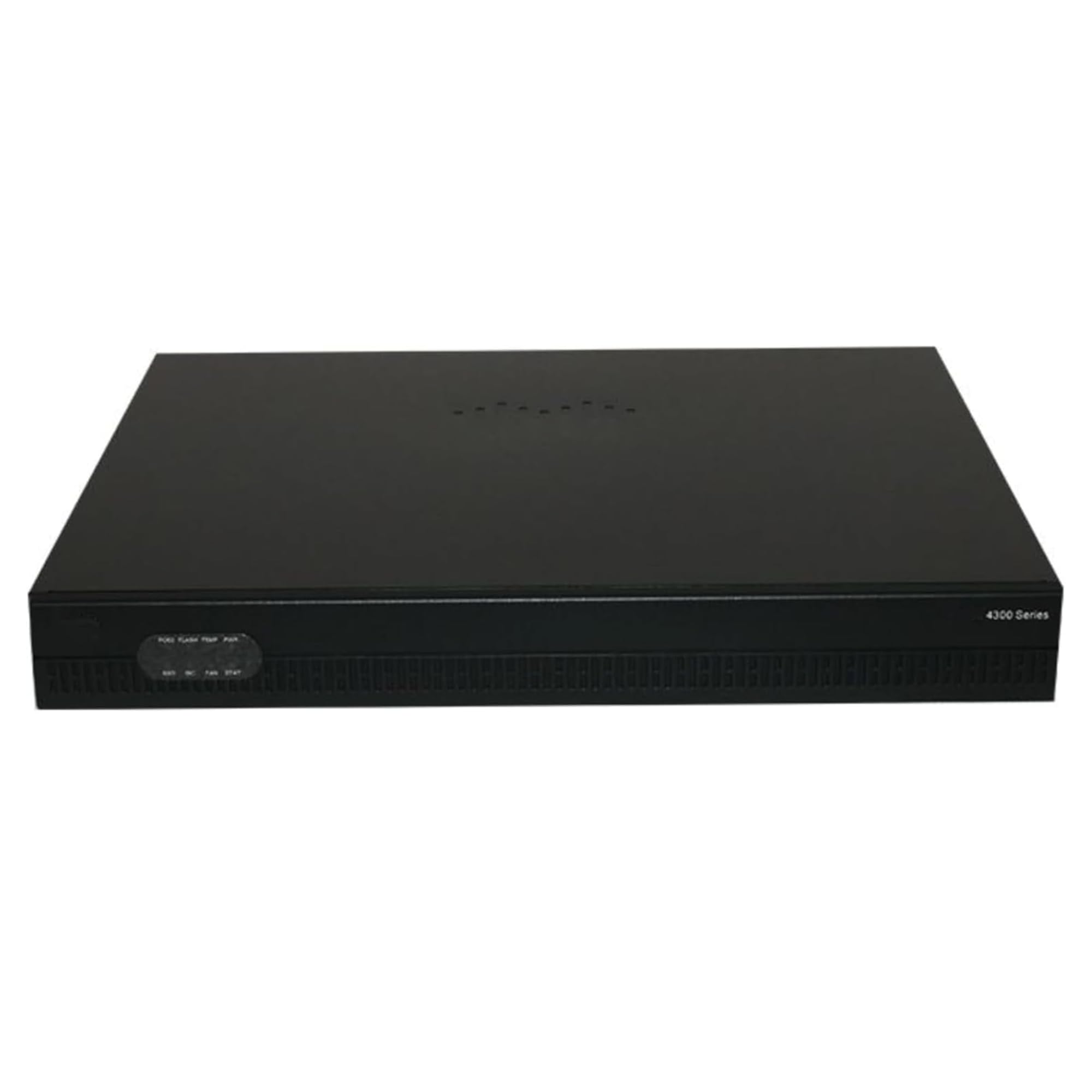
Image 1: Generic ISR4321/K9 Integrated Services Router. This image displays the front and side view of the router, highlighting its compact design and port layout.
3. Setup Instructions
Follow these steps to set up your ISR4321/K9 router.
3.1 Unpacking and Placement
- Carefully remove the router and all accessories from the packaging.
- Place the router on a stable, flat surface in a well-ventilated area, away from direct sunlight, heat sources, and moisture. Ensure adequate space around the device for airflow.
3.2 Connecting Power
- Connect the power adapter to the router's power input port.
- Plug the power adapter into a suitable electrical outlet. The router will begin its power-on self-test (POST) sequence. Observe the system LED indicators for status.
3.3 Network Connections
- WAN Connection: Connect your Internet Service Provider's (ISP) modem or network device to the router's WAN port using an Ethernet cable.
- LAN Connections: Connect your local network devices (computers, switches, etc.) to the router's LAN ports using Ethernet cables.
- Console Connection (Optional): For initial configuration or advanced management, connect a console cable from your computer's serial port to the router's console port.
3.4 Initial Configuration Access
Access the router's management interface to perform initial configuration.
- Web Interface: Open a web browser on a computer connected to the router's LAN. Enter the default IP address (refer to the Quick Start Guide or manufacturer's documentation for the default IP and login credentials).
- Command Line Interface (CLI): If using a console connection, use a terminal emulator program (e.g., PuTTY, Tera Term) with appropriate serial port settings (e.g., 9600 baud, 8 data bits, no parity, 1 stop bit).
4. Operating Instructions
This section covers basic operation and configuration tasks for your router.
4.1 Basic Network Configuration
- WAN Settings: Configure your WAN connection type (e.g., DHCP, PPPoE, Static IP) according to your ISP's requirements.
- LAN IP Address: Set the router's internal IP address and subnet mask for your local network.
- DHCP Server: Enable and configure the DHCP server to automatically assign IP addresses to devices on your local network.
4.2 Security Features
Utilize the router's security features to protect your network.
- Firewall: Configure firewall rules to control incoming and outgoing network traffic.
- VPN: Set up Virtual Private Network (VPN) connections for secure remote access or site-to-site connectivity.
- Access Control Lists (ACLs): Implement ACLs to filter traffic based on various criteria.
4.3 Dual WAN and High Availability
Leverage advanced features for network resilience.
- Dual WAN: Configure a secondary WAN connection for automatic failover, ensuring continuous internet access if the primary link fails.
- High Availability (HA): Implement HA configurations with a redundant router to provide network reliability and minimize downtime.
5. Maintenance
Regular maintenance ensures optimal performance and longevity of your router.
5.1 Firmware Updates
Periodically check the manufacturer's website for firmware updates. Firmware updates often include performance improvements, bug fixes, and security enhancements. Follow the provided instructions carefully when performing updates.
5.2 Regular Checks
- Monitor system logs for unusual activity or errors.
- Verify network connectivity and performance regularly.
- Ensure all cables are securely connected.
5.3 Cleaning
Keep the router clean and free of dust. Use a soft, dry cloth to wipe the exterior. Do not use liquid cleaners or aerosols directly on the device. Ensure ventilation openings are not obstructed.
6. Troubleshooting
This section provides solutions to common issues you might encounter.
6.1 No Internet Connection
- Check Cables: Ensure all Ethernet cables are securely connected to the correct ports (WAN, LAN).
- Modem Status: Verify that your ISP's modem is working correctly and has an active internet connection.
- Router Status: Check the router's indicator lights. Refer to the Quick Start Guide for LED interpretations.
- Reboot Devices: Power cycle your modem, then the router, and then your connected devices.
- Configuration: Confirm that WAN settings are correctly configured in the router's management interface.
6.2 Slow Network Performance
- Bandwidth Usage: Identify if any applications or devices are consuming excessive bandwidth.
- Cable Quality: Ensure you are using high-quality Ethernet cables.
- Firmware: Ensure the router's firmware is up to date.
- Interference: If applicable, check for sources of interference if using wireless connections (though this model is primarily wired).
6.3 Cannot Access Management Interface
- IP Address: Verify that your computer is on the same subnet as the router or is obtaining an IP address via DHCP from the router.
- Default IP: Confirm you are using the correct default IP address for the router.
- Firewall/Antivirus: Temporarily disable any firewall or antivirus software on your computer that might be blocking access.
- Reset: As a last resort, perform a factory reset (refer to the Quick Start Guide for instructions), but be aware this will erase all configurations.
7. Specifications
| Feature | Description |
|---|---|
| Model Number | ISR4321/k9 |
| Brand | Generic |
| Special Feature | Internet Security |
| Frequency Band Class | Single-Band |
| Wireless Communication Standard | 802.11ac |
| Compatible Devices | Desktop |
| Recommended Uses For Product | Business |
| Included Components | Accessories, ISR4321/k9 Router, Menu Instruction |
| Connectivity Technology | Ethernet |
8. Warranty and Support
8.1 Warranty Information
Warranty terms and conditions for the Generic ISR4321/K9 router are typically provided with the product documentation or can be found on the manufacturer's official website. Please refer to these resources for detailed information regarding warranty coverage, duration, and claims procedures.
8.2 Technical Support
For technical assistance, troubleshooting beyond this manual, or inquiries about your product, please visit the official Generic support website or contact their customer service. Ensure you have your product model number (ISR4321/k9) and any relevant purchase information ready when seeking support.


