
1. Product Overview
This manual provides essential instructions for the safe and effective use of your Echo Corner 5-1/2" Circular Saw Blades combo pack. This pack includes one 24-tooth blade for fast ripping and framing, and one 48-tooth blade for fine finish and crosscutting. Both blades feature a 5/8" arbor and are designed for various woodworking applications.
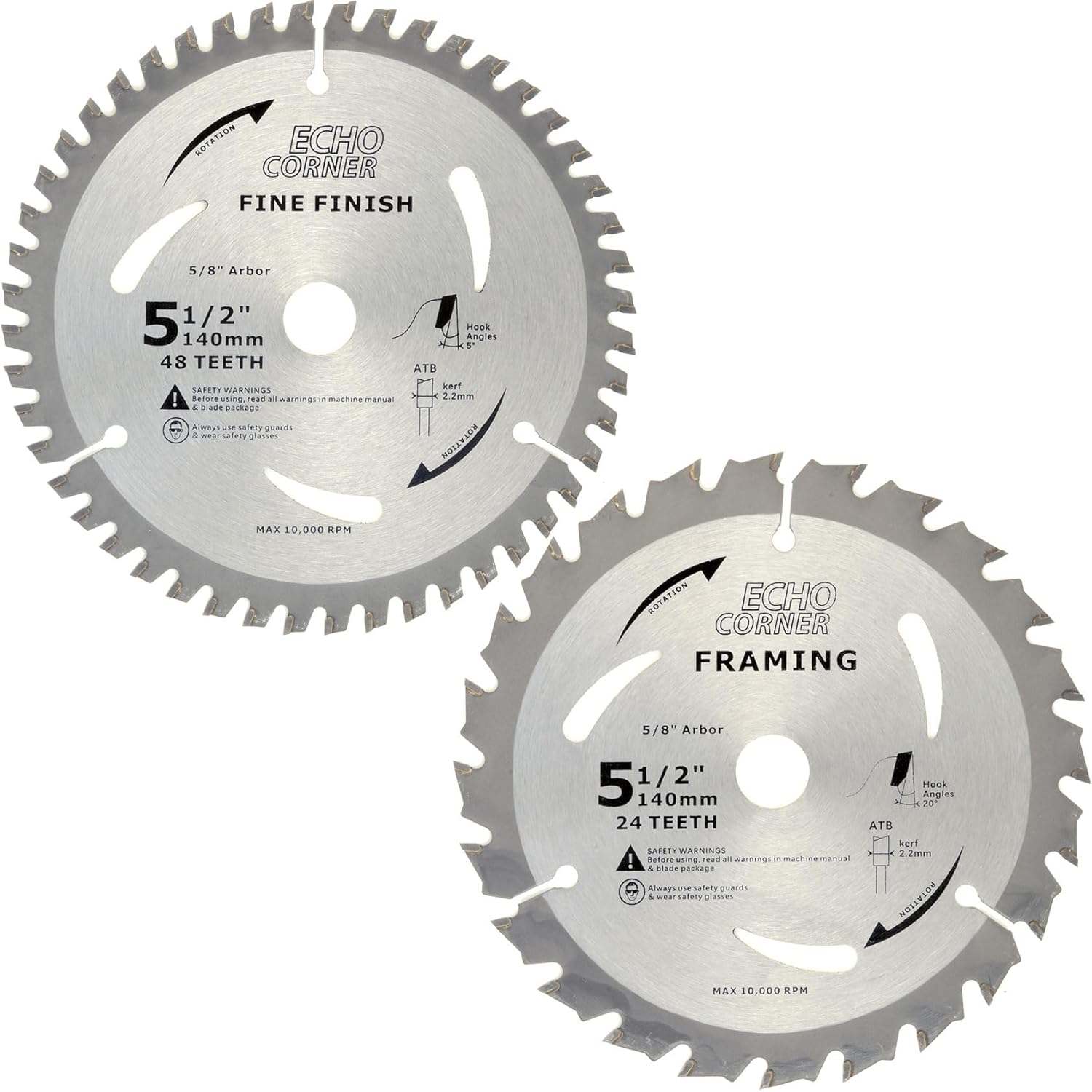
Image 1.1: Echo Corner 5-1/2 inch Circular Saw Blades Combo Pack, showing both the 24-tooth framing blade and the 48-tooth fine finish blade.
2. Safety Information
WARNING: Always prioritize safety when operating power tools. Failure to follow these instructions may result in serious injury.
- Read Manuals: Before using these blades, thoroughly read and understand the safety warnings and operating instructions provided in your circular saw's machine manual and the blade packaging.
- Personal Protective Equipment (PPE): Always wear appropriate safety guards and safety glasses to protect against flying debris. Hearing protection and a dust mask are also recommended.
- Disconnect Power: Always disconnect the power supply to your saw before installing, removing, or adjusting saw blades.
- Inspect Blades: Before each use, inspect the blade for cracks, missing teeth, or other damage. Do not use damaged blades.
- Secure Workpiece: Always secure the material being cut to prevent kickback.
- Proper Blade Selection: Use the correct blade type for the material and cut. The 24-tooth blade is for fast ripping, and the 48-tooth blade is for fine finish crosscuts.
- Maintain Guards: Ensure all saw guards are in place and functioning correctly.
3. Product Features
- Arbor Size: 5/8" arbor, compatible with most standard circular saws.
- 48-Tooth Blade: High tooth count ATB (Alternate Top Bevel) blade designed for clean, smooth, fine finish cuts and crosscutting.
- 24-Tooth Blade: Lower tooth count blade designed for efficient ripping along the grain and framing applications with a high feed rate.
- Durable Construction: Made with C3 Level Tungsten Carbide Tipped (TCT) teeth and a tough alloy steel body for maximum wear and heat resistance, ensuring longer life and strong impact resistance.
- Dimensions: 5-1/2 inch (140mm) diameter.
- Kerf: 2.2mm kerf for efficient material removal.
- Body Thickness: 1.4mm blade body thickness.
- Maximum RPM: Rated for a maximum speed of 10,000 RPM.
- Versatile Use: Suitable for cutting wood, plywood, MDF, plastic, veneer, particle board, hardboard, and laminate.

Image 3.1: Detailed view of the 48-tooth fine finish blade, highlighting the tooth configuration and safety markings.
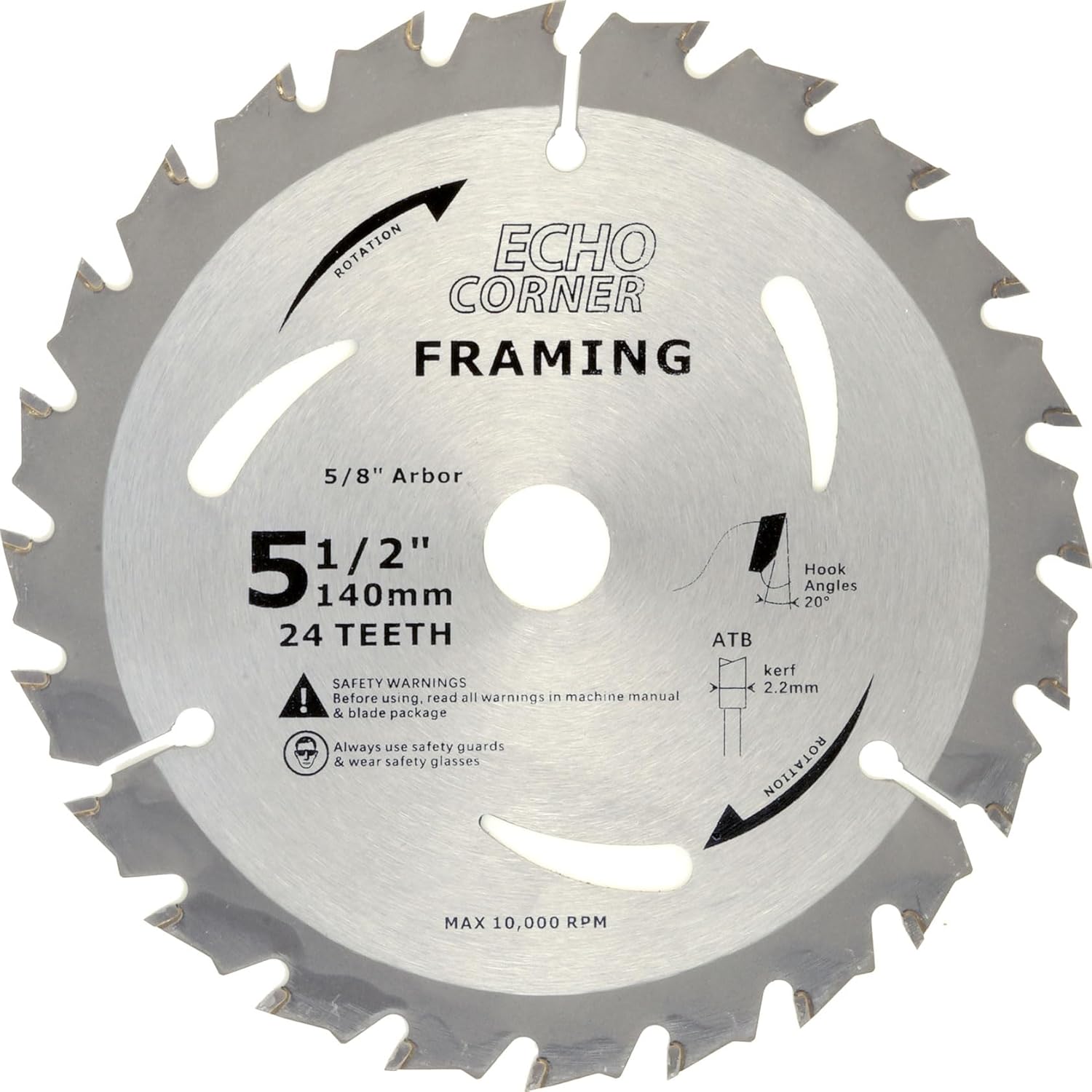
Image 3.2: Detailed view of the 24-tooth framing blade, showing its tooth design for aggressive cuts.
4. Setup and Installation
- Disconnect Power: Ensure your circular saw is unplugged from the power source before beginning installation.
- Consult Saw Manual: Refer to your circular saw's instruction manual for specific blade change procedures and safety precautions.
- Remove Old Blade: If replacing an existing blade, carefully remove it, noting the direction of rotation.
- Select Correct Blade: Choose the appropriate Echo Corner blade (24-tooth for ripping/framing or 48-tooth for fine finish/crosscutting) for your task.
- Check Arbor Size: Verify that the blade's 5/8" arbor hole matches your saw's arbor shaft.
- Install Blade: Place the new blade onto the arbor shaft, ensuring the rotation arrow on the blade matches the rotation direction indicated on your saw's guard.
- Secure Blade: Reinstall the blade washer and arbor nut. Tighten the arbor nut securely using the appropriate wrench, but do not overtighten.
- Check Clearance: Ensure the blade spins freely and does not contact any part of the saw's housing or guard.
5. Operation
Always follow the safety guidelines outlined in Section 2 and your saw's manual.
- Wear PPE: Always wear safety glasses, hearing protection, and a dust mask.
- Secure Material: Clamp or otherwise firmly secure the workpiece to prevent movement during the cut.
- Start Saw: Allow the saw to reach full operating speed before engaging the blade with the material.
- Maintain Feed Rate: Apply steady, consistent pressure to feed the saw through the material. Avoid forcing the blade, as this can lead to overheating, kickback, or poor cut quality.
- Blade Application:
- Use the 24-tooth blade for fast, aggressive cuts when ripping wood along the grain or for general framing tasks where a smooth finish is not the primary concern.
- Use the 48-tooth blade for smoother, cleaner cuts when crosscutting wood, plywood, MDF, or other materials where a fine finish is desired.
- Clear Debris: Keep the cutting area clear of sawdust and debris.
- Complete Cut: Allow the blade to stop completely before setting the saw down or making adjustments.

Image 5.1: Close-up view of the carbide-tipped teeth, designed for durability and cutting performance.
6. Maintenance
- Cleaning: Regularly clean resin and pitch buildup from the blade using a specialized blade cleaner. This prevents friction and maintains cutting efficiency. Always disconnect the saw from power before cleaning.
- Inspection: Periodically inspect the blade for signs of wear, such as dull teeth, chipped carbide tips, or cracks in the blade body.
- Sharpening: When teeth become dull, have the blade professionally sharpened. Do not attempt to sharpen carbide-tipped blades yourself unless you have the proper equipment and expertise.
- Replacement: Replace blades that are severely damaged, have missing teeth, or cannot be effectively sharpened.
- Storage: Store blades in a dry, safe place, preferably in their original packaging or a blade storage case, to protect the teeth from damage and prevent rust.

Image 6.1: Side profile of the saw blade, illustrating its thin body thickness for reduced material waste.
7. Troubleshooting
- Poor Cut Quality (Rough, Chipped):
- Ensure you are using the correct blade for the application (48-tooth for fine finish).
- The blade may be dull and require sharpening or replacement.
- Check for excessive feed rate; reduce pressure.
- Blade Overheating or Burning Wood:
- The blade is likely dull or has pitch buildup; clean or sharpen.
- You may be forcing the cut; reduce feed rate.
- Ensure the blade is appropriate for the material being cut.
- Excessive Vibration or Wobble:
- Check if the blade is securely tightened on the arbor.
- Inspect the blade for damage or warping. Replace if damaged.
- Ensure the saw's arbor is clean and free of debris.
- Kickback:
- Always ensure the workpiece is firmly secured.
- Avoid binding the blade in the cut.
- Ensure proper blade depth setting.
8. Specifications
| Feature | Detail |
|---|---|
| Brand | Echo Corner |
| Model | 24T/48T 5/8"-Arbor |
| Product Dimensions | 5.5"L x 5.5"W (140mm Diameter) |
| Arbor Size | 5/8" |
| Number of Teeth | 24-Tooth (Framing), 48-Tooth (Fine Finish) |
| Material | Alloy Steel with C3 Tungsten Carbide Tips |
| Kerf | 2.2 Millimeters |
| Body Thickness | 1.4 Millimeters |
| Maximum RPM | 10,000 RPM |
| Item Weight | Approximately 200 Grams (per blade) |
9. What's in the Box
- 1 x Echo Corner 5-1/2" Circular Saw Blade (24-Tooth)
- 1 x Echo Corner 5-1/2" Circular Saw Blade (48-Tooth)
10. Warranty and Support
For specific warranty information, product support, or to address any concerns regarding your Echo Corner Circular Saw Blades, please contact Echo Corner customer service directly. Contact details can typically be found on the product packaging or the official Echo Corner website.