
Introduction
This manual provides essential information for the proper installation, use, and maintenance of the Generic T304 2" Stainless Steel Cap. Designed for industrial and plumbing applications, this cap ensures a secure seal for male NPT threaded pipes.
Product Overview
The T304 2" Stainless Steel Cap is a robust pipe fitting designed to close the end of a male pipe. It features female National Pipe Taper (NPT) threads for a secure, leak-resistant connection.
Key Features:
- Material: Constructed from T304 stainless steel, offering superior corrosion resistance compared to 302-grade steel, especially due to its lower carbon content.
- Connection Type: Female National Pipe Taper (NPT) threads, designed for compatibility with male NPT pipes.
- Size: 2-inch nominal pipe size.
- Standards: Conforms to ANSI B1.20.1 and ISO 49 standards for quality assurance.
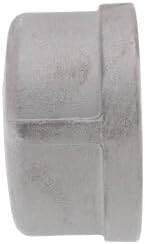
Figure 1: A side profile view of the T304 2-inch stainless steel cap, highlighting its robust construction and smooth finish.

Figure 2: An angled view of the T304 2-inch stainless steel cap, clearly displaying the internal female National Pipe Taper (NPT) threads designed for secure pipe connections.
Setup and Installation
Proper installation is crucial for ensuring a leak-free and durable connection.
Required Tools:
- Pipe wrench or appropriate tightening tool
- Thread sealant (e.g., PTFE tape or pipe dope)
Installation Steps:
- Inspect Components: Ensure both the cap and the male pipe threads are clean, free from debris, and undamaged.
- Apply Thread Sealant: Wrap PTFE tape clockwise around the male pipe threads (typically 2-3 wraps) or apply a suitable pipe dope. This helps create a watertight seal and lubricates the threads for easier assembly.
- Hand-Tighten: Carefully align the cap with the male pipe threads and hand-tighten until snug. Avoid cross-threading.
- Wrench-Tighten: Using a pipe wrench, tighten the cap an additional 1 to 2 turns past hand-tight. Do not overtighten, as this can damage the threads or the fitting. The goal is a firm, secure connection.
- Verify Seal: After installation, if the system is pressurized, check for any leaks.
Operation and Use
Once installed, the T304 Stainless Steel Cap functions as a permanent or temporary closure for a pipe end. Ensure the cap remains securely tightened to prevent leaks, especially in systems subject to vibration or pressure fluctuations.
Best Practices:
- Regularly inspect the connection for any signs of loosening or leakage.
- Avoid subjecting the capped pipe end to excessive external forces that could compromise the seal.
Maintenance
The T304 Stainless Steel Cap requires minimal maintenance due to its durable material.
Routine Checks:
- Visual Inspection: Periodically check the cap and surrounding pipe for any signs of corrosion, damage, or wear.
- Leak Detection: In pressurized systems, regularly check for leaks around the threaded connection.
- Cleaning: If necessary, clean the exterior of the cap with a mild detergent and water. Avoid abrasive cleaners that could scratch the surface.
Troubleshooting
Issue: Leakage at the connection.
- Possible Cause 1: Insufficient thread sealant or improper application.
Solution: Disassemble the connection, clean both threads thoroughly, reapply thread sealant (PTFE tape or pipe dope) correctly, and re-tighten the cap. - Possible Cause 2: Under-tightened connection.
Solution: Gently tighten the cap further with a pipe wrench, ensuring not to overtighten. - Possible Cause 3: Damaged threads on either the cap or the pipe.
Solution: Inspect threads for damage. If damaged, replace the affected component.
Specifications
| Feature | Detail |
|---|---|
| Model Number | K416-32 |
| Material | T304 Stainless Steel |
| Nominal Size | 2 inches |
| Connection Type | Female National Pipe Taper (NPT) Threaded |
| Standards Compliance | ANSI B1.20.1, ISO 49 |
| Approximate Dimensions (L x W x H) | 1 x 1 x 1 inches |
| Brand | Generic |
Warranty and Support
For information regarding warranty, technical support, or replacement parts, please contact your retailer or the manufacturer directly. Keep your purchase receipt for warranty claims.