
1. Introduction
Thank you for choosing HAPINARY Heavy Duty Bungee Straps. This manual provides essential information for the safe and effective use, installation, and maintenance of your bungee straps. Please read these instructions carefully before use and retain them for future reference.
These elastic bungee straps with durable metal hooks are designed for securing tarps, cargo, and various items on trucks, trailers, boats, and other vehicles, ensuring items remain stable during transit.
2. Safety Information
WARNING: WEAR SAFETY GLASSES DURING TIE-DOWN AND DISCONNECT. DISCARD IF CUT, CRACKED OR ABRADED.
- Eye Protection: Always wear appropriate eye protection, such as safety glasses, when attaching or detaching bungee straps.
- Inspect Before Use: Before each use, thoroughly inspect the bungee strap and hooks for any signs of wear, cuts, cracks, abrasions, or damage. Discard any damaged straps immediately.
- Do Not Overstretch: Avoid overstretching the bungee straps beyond their elastic limit. Overstretching can lead to strap failure and potential injury.
- Secure Hooks: Ensure that both hooks are securely fastened to stable anchor points. Hooks should be fully engaged and not merely resting on a surface.
- Recoil Hazard: Bungee straps are under tension. Exercise caution when releasing tension to prevent sudden recoil, which can cause injury.
- Load Capacity: Do not use bungee straps for lifting or towing. They are designed for securing loads, not for bearing the full weight of an object.
- Children and Pets: Keep bungee straps out of reach of children and pets.
3. Product Overview
3.1 Components
Each HAPINARY Heavy Duty Bungee Strap consists of:
- Elastic Rubber Strap: Provides flexibility and tension for securing items.
- Metal S-Hooks: Durable hooks at each end for secure attachment.

Image 1: A single HAPINARY Heavy Duty Bungee Strap with metal S-hooks on a white background.
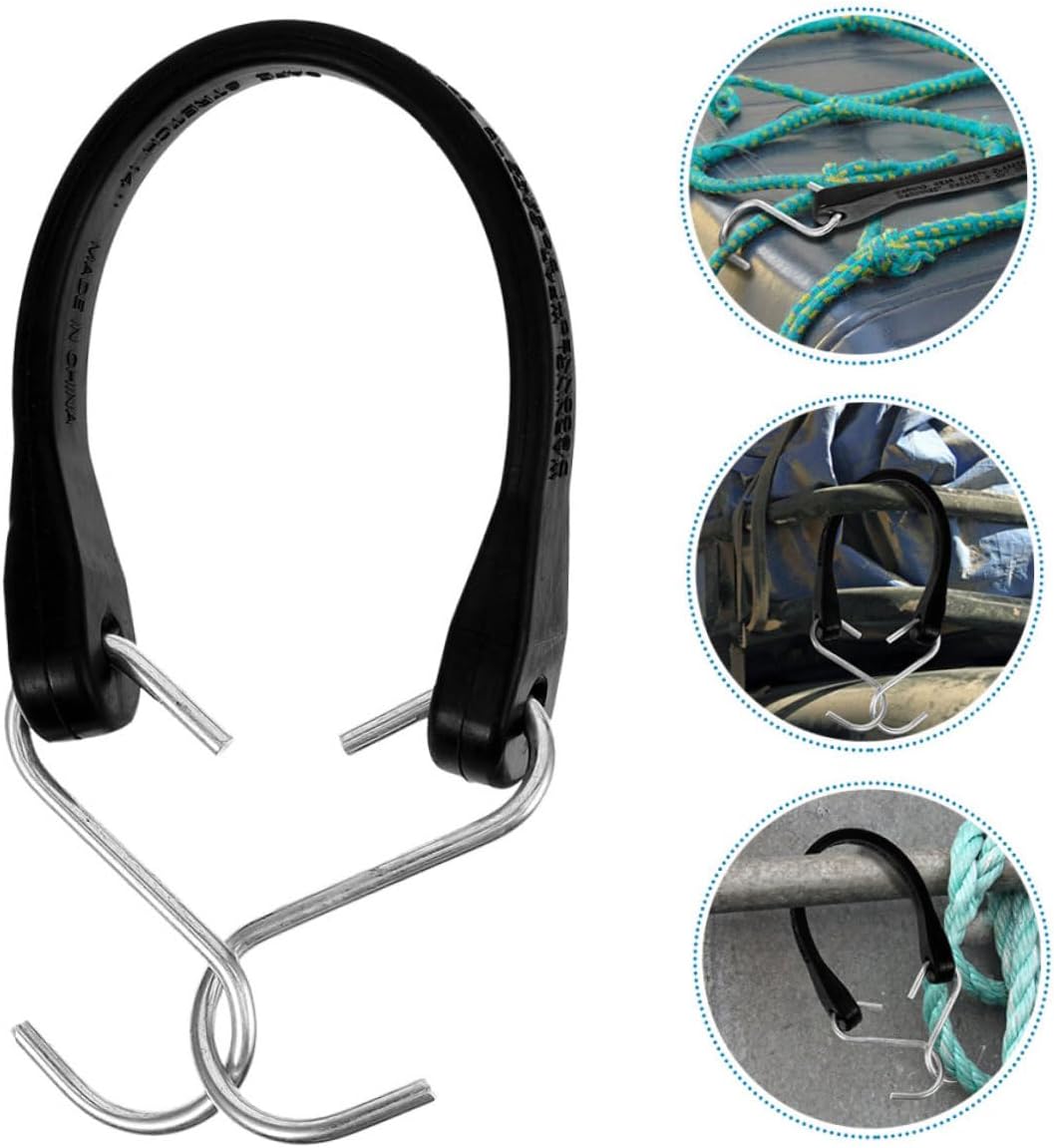
Image 2: Close-up view of the bungee strap, highlighting the rubber material and the attachment of the metal S-hooks.

Image 3: Detailed view of the metal S-hook securely attached to the rubber strap.
3.2 Specifications
| Feature | Specification |
|---|---|
| Model Number | OS34NJEC05L9M47W8RU |
| Material | Metal, Rubber |
| Color | Black |
| Length | 38.10 cm (14.97 inches) |
| Width | 1.50 cm (0.59 inches) |
| Thickness | 1.00 cm (0.39 inches) |
| Item Weight | 3.36 ounces (per strap) |
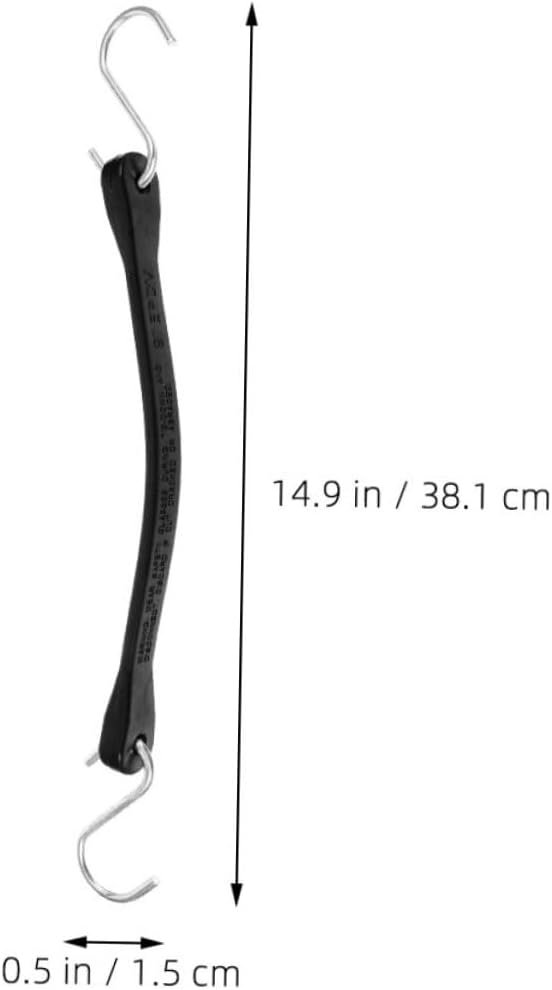
Image 4: Visual representation of the bungee strap dimensions, showing approximately 14.9 inches (38.1 cm) in length and 0.5 inches (1.5 cm) in width.
4. Setup and Installation
4.1 General Use Guidelines
- Select Appropriate Length: Choose a bungee strap that can stretch to the required length without excessive tension.
- Secure Anchor Points: Always attach hooks to sturdy, fixed anchor points that can withstand the tension of the strap.
- Even Tension: Distribute tension evenly across the load to prevent shifting. Use multiple straps for larger or heavier items.

Image 5: A bungee strap hooked around a metal bar, demonstrating a secure attachment point.

Image 6: A bungee strap used to secure a section of a net or rope, illustrating its versatility in various tie-down scenarios.
4.2 Securing Tarps
When securing tarps, follow these steps:
- Drape the tarp over the item to be covered.
- Attach one hook of the bungee strap to a grommet or reinforced edge of the tarp.
- Stretch the bungee strap to a suitable anchor point on your vehicle or structure.
- Secure the second hook firmly to the anchor point.
- Repeat with additional straps, spacing them evenly to ensure the tarp is taut and secure against wind and movement.

Image 7: A bungee strap effectively securing a large tarp covering cargo on the back of a truck, demonstrating its multi-functional use.
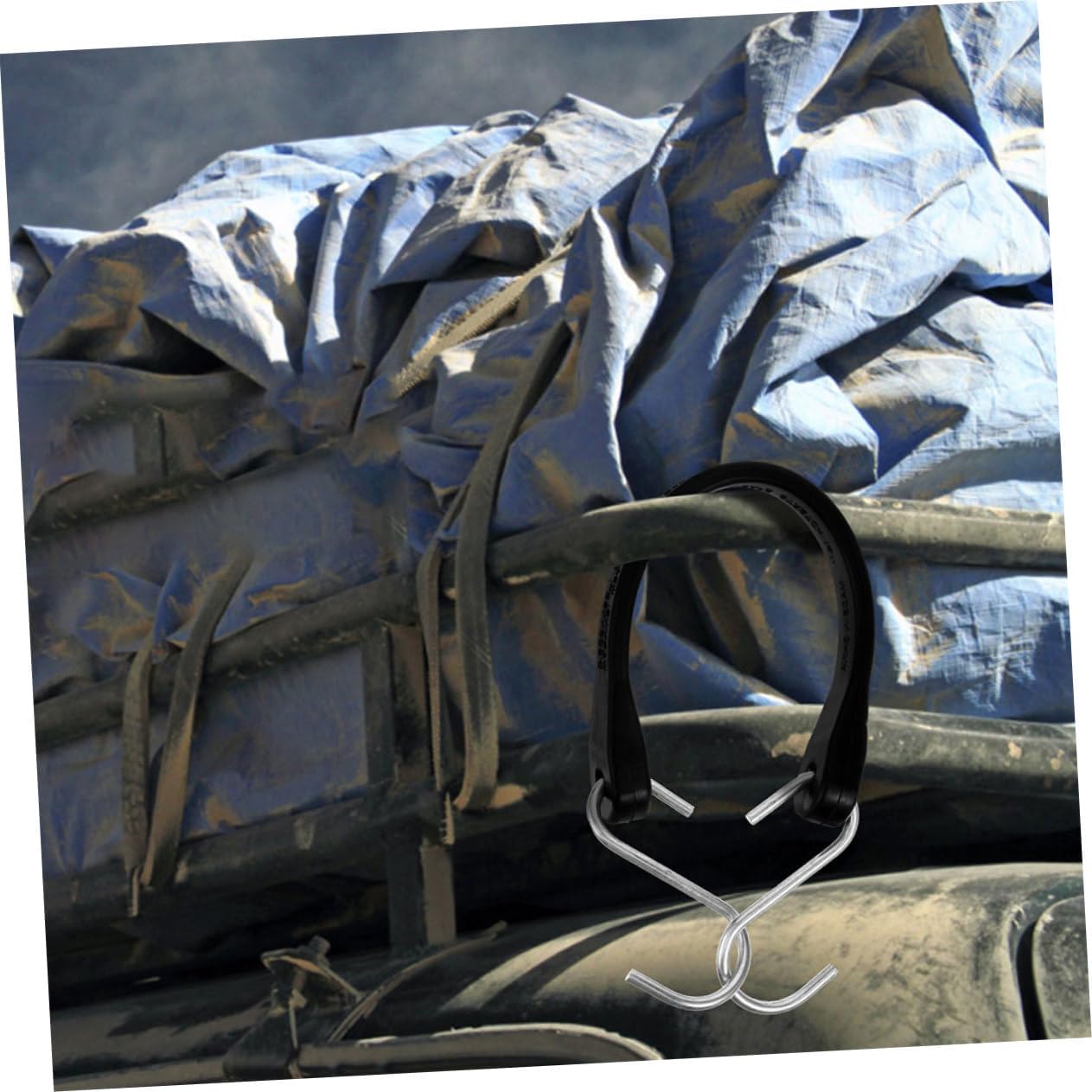
Image 8: Another example of a bungee strap securing a blue tarp over cargo on a truck, ensuring the load is protected and stable.
4.3 Securing Cargo
For securing cargo, consider the following:
- Position the cargo centrally and stably.
- Use one or more bungee straps to cross over the cargo, attaching hooks to secure points on the vehicle or trailer.
- For bulky or heavy items, use multiple straps in a crisscross pattern to maximize stability and prevent movement in any direction.
- Ensure the straps are tight enough to prevent shifting but not so tight that they damage the cargo or are overstretched.

Image 9: A bungee strap securing a cardboard box to a bicycle rack, demonstrating its use for smaller cargo items.
5. Operating Instructions
Using your HAPINARY bungee straps is straightforward:
- Attach: Hook one end of the bungee strap to a fixed anchor point.
- Stretch: Pull the strap across the item you wish to secure, stretching it to the desired tension.
- Secure: Hook the other end of the strap to another fixed anchor point, ensuring the hook is fully engaged.
- Verify: Gently tug on the secured item and the straps to confirm they are firmly in place and the load is stable.
- During Transit: Periodically check the tension and security of the straps during long journeys.
- Detach: To remove, carefully unhook one end, controlling the release of tension to prevent recoil. Then unhook the other end.
6. Maintenance
Proper maintenance will extend the lifespan of your bungee straps:
- Cleaning: Clean straps with mild soap and water. Rinse thoroughly and allow to air dry completely before storage. Do not use harsh chemicals or abrasive cleaners.
- Storage: Store bungee straps in a cool, dry place away from direct sunlight and extreme temperatures. Prolonged exposure to UV light can degrade rubber elasticity.
- Inspection: Regularly inspect straps for any signs of wear, damage, or degradation of the rubber or metal hooks. Replace damaged straps immediately.
7. Troubleshooting
If you encounter issues with your bungee straps, consider the following:
- Strap Not Holding Tension:
Possible Cause: Strap is overstretched, damaged, or too long for the application.
Solution: Inspect the strap for damage. If damaged, discard. If too long, use a shorter strap or adjust anchor points to achieve proper tension. - Hooks Slipping:
Possible Cause: Hooks are not fully engaged or anchor points are unsuitable.
Solution: Ensure hooks are securely attached to a closed loop or a point that prevents slippage. Use anchor points with sufficient depth and strength. - Strap Breaking:
Possible Cause: Overstretching, damage, or exceeding load capacity.
Solution: Always inspect straps before use. Do not overstretch. Ensure the strap is appropriate for the weight and tension required. Discard broken straps.
8. Warranty and Support
For warranty information or customer support regarding your HAPINARY Heavy Duty Bungee Straps, please refer to the product packaging or contact HAPINARY customer service directly through their official channels. Keep your purchase receipt for any warranty claims.