1. Introduction
This manual provides detailed instructions for the installation, operation, and maintenance of your CAXUSD Stainless Steel Chimney Flue Pipe. Designed for use with firewood heating stoves and other compatible heating appliances, this flue pipe ensures efficient exhaust ventilation and contributes to a safe indoor air environment. Please read this manual thoroughly before installation and use to ensure proper function and safety.
2. Product Features
- Reliable Exhaust: Specifically designed to provide dependable and safe exhaust for firewood heating stoves.
- Durable Material: Constructed from high-quality stainless steel, offering excellent durability and heat resistance.
- Optimal Elbow Design: The elbow configuration ensures a seamless connection between the chimney and the stove, facilitating efficient exhaust and reducing potential issues.
- Improved Air Quality: Efficiently expels smoke and exhaust gases, helping to maintain a clean and fresh indoor air environment.
- Easy Setup: The uncomplicated design allows for straightforward installation and maintenance, providing convenience for users.
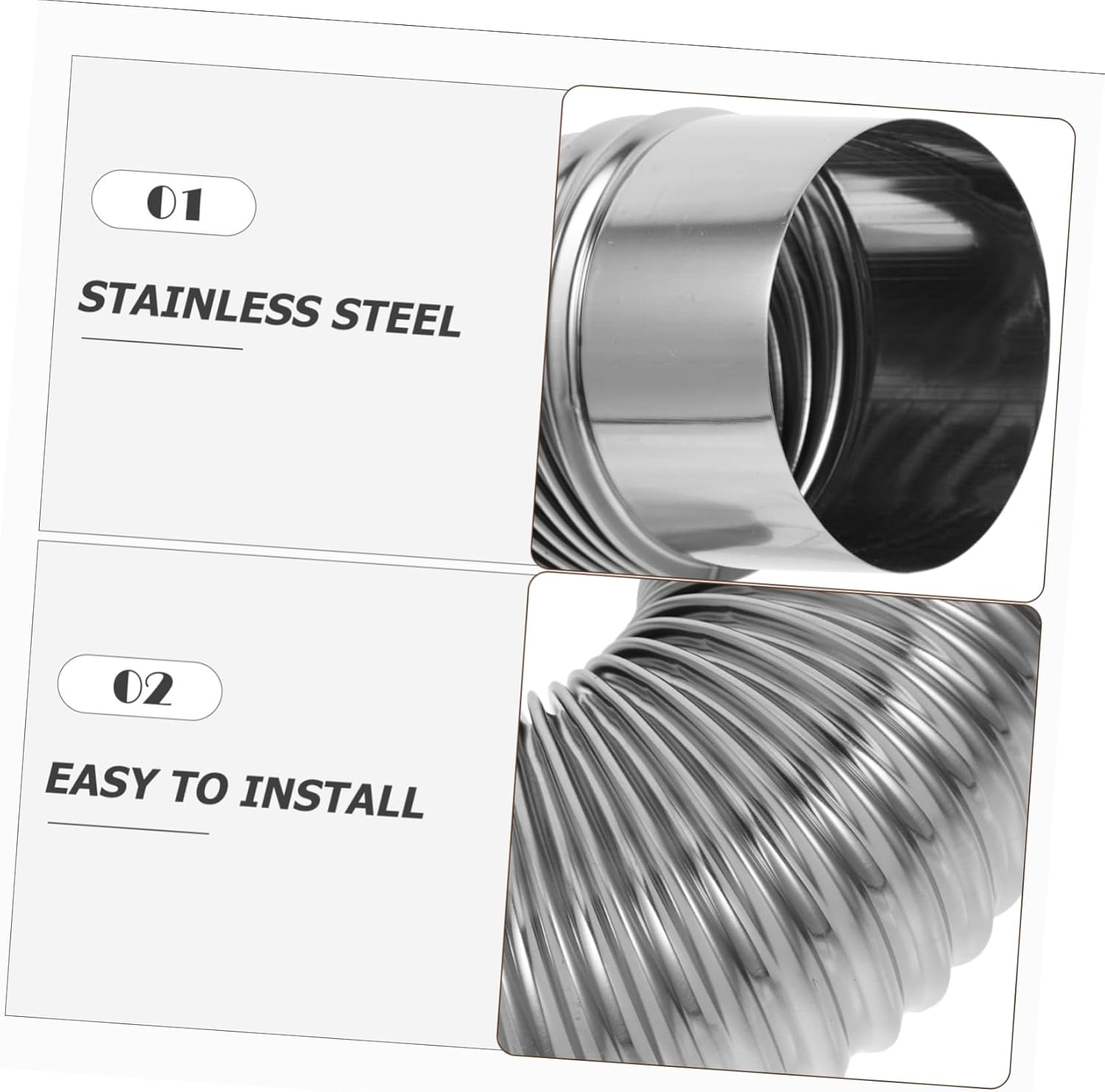
This image highlights two key features: the durable stainless steel material and the ease of installation, showcasing the pipe's construction and user-friendly design.
3. Specifications
| Attribute | Detail |
|---|---|
| Material | Stainless Steel |
| Product Dimensions | 3.43"D x 9.65"W x 3.43"H (approx. 24.50 x 8.70 x 8.70 cm) |
| Color | Silver |
| Item Weight | 0.44 Pounds (approx. 7 ounces) |
| Style | Modern |
| Shape | Elbow (Corrugated) |
| Fuel Type Compatibility | Wood |
| Model Number | ECR1TY06M703O0032V97 |

This image shows the approximate dimensions of the CAXUSD Stainless Steel Chimney Flue Pipe, indicating its length and diameter for proper fitment.
4. Safety Information
Adhering to safety guidelines is crucial for the safe operation of your heating system. Failure to follow these instructions could result in property damage, injury, or death.
- Local Codes: Always consult and comply with local building codes, fire regulations, and appliance manufacturer's instructions before installing or using any chimney components.
- Ventilation: Ensure adequate ventilation in the area where the heating appliance is located.
- Airtight Connections: All connections must be secure and airtight to prevent the escape of smoke, carbon monoxide, and other combustion byproducts into living spaces.
- No Modifications: Do not modify the flue pipe. Use it only as intended.
- Clearances: Maintain proper clearances from combustible materials as specified by your heating appliance manufacturer and local codes.
- Inspection: Regularly inspect the flue pipe and entire chimney system for damage, corrosion, or blockages.
5. Installation Guide
Follow these steps for proper installation of the CAXUSD Stainless Steel Chimney Flue Pipe.
- Preparation: Ensure your heating appliance (e.g., wood stove, boiler) is turned off and completely cooled. Gather all necessary tools, which may include gloves, a measuring tape, and appropriate high-temperature sealant (not included).
- Measure and Position: Carefully determine the optimal position for the flue pipe to connect your appliance to the main chimney system. The elbow design offers flexibility for routing. Refer to the product dimensions to ensure compatibility with your existing setup.
- Connect to Appliance: Gently attach one end of the flue pipe to the exhaust outlet of your heating appliance. Ensure a snug and secure fit. The smooth, finished edge of the pipe is designed for reliable connections.

A close-up view of the stainless steel flue pipe's opening, highlighting the smooth, finished edge designed for secure connections.
- Route and Connect to Chimney: Route the elbow pipe towards the chimney or main exhaust duct. Connect the other end securely. The corrugated section allows for minor adjustments in angle and length to achieve a proper fit.
- Secure Connections: Use appropriate clamps or high-temperature sealant (not included) to ensure all connections are airtight and stable. This step is critical to prevent smoke and carbon monoxide leakage into your living space.
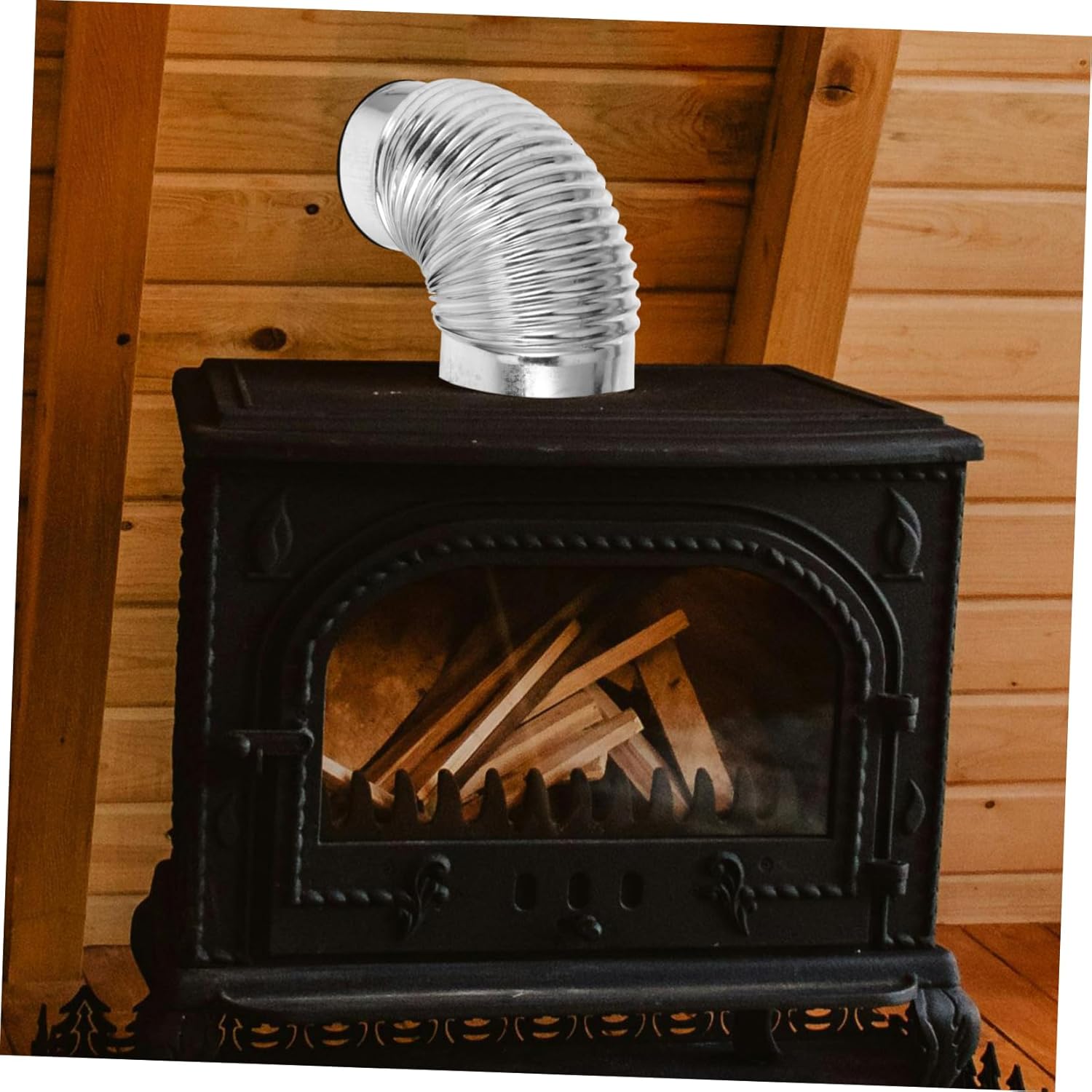
An example of the flue pipe connecting a wood-burning stove to an overhead exhaust system, demonstrating its application in a rustic setting.

The flue pipe installed with a modern boiler, illustrating its use in venting exhaust gases from a wall-mounted heating unit.

Another perspective of the flue pipe connected to a boiler, showing the horizontal run of the exhaust pipe.

A detailed view of the flue pipe connecting to a boiler, emphasizing the secure and proper attachment for exhaust ventilation.

This image provides a magnified view of the flue pipe's connection to a boiler, highlighting the elbow design and its integration into the exhaust system.
- Final Inspection: Visually inspect all connections for tightness and proper alignment. Ensure there are no obstructions in the flue path. Before operating the heating appliance, perform a smoke test to confirm no leaks are present.
6. Operation
Once properly installed, the CAXUSD Stainless Steel Chimney Flue Pipe functions passively to vent exhaust gases from your heating appliance. Ensure your heating appliance is operated strictly according to its manufacturer's instructions. The flue pipe's primary role is to safely channel combustion byproducts away from the living space and into the atmosphere.
7. Maintenance
Regular maintenance is essential to ensure the longevity and safe operation of your flue pipe and heating system.
- Regular Inspection: Periodically inspect the flue pipe for any signs of damage, such as dents, cracks, or excessive corrosion. Check all connections for looseness or signs of leakage.
- Cleaning: Depending on the fuel type and frequency of use, creosote and soot can accumulate inside the flue pipe. Consult your heating appliance manual for recommended cleaning schedules. Professional chimney cleaning is generally advised at least once a year.
- Damage: If any damage is observed, such as holes or significant corrosion, the affected section of the flue pipe must be replaced immediately to ensure safe operation and prevent hazardous conditions.
8. Troubleshooting
If you encounter issues with your heating system related to the flue pipe, consider the following:
- Poor Draft: If your heating appliance experiences poor draft (smoke backing up into the room), first check for obstructions in the flue pipe or chimney. Ensure all connections are airtight and that the chimney cap is clear.
- Smoke Leakage: Immediately address any smoke leakage from the flue pipe or its connections. This indicates a faulty connection or damage. Turn off the appliance, ventilate the area, and thoroughly inspect all joints and the pipe itself. Re-seal or replace as necessary.
- Excessive Soot/Creosote Buildup: This may indicate inefficient burning, insufficient draft, or improper fuel. Consult your heating appliance manual for optimal operating conditions or contact a professional chimney sweep.
9. Warranty and Support
This CAXUSD product is manufactured to high-quality standards. For specific warranty information, including terms and conditions, or for technical support, please refer to the product packaging or contact CAXUSD customer service through their official channels. Please retain your purchase receipt as proof of purchase for any warranty claims.