
1. Introduction
This manual provides essential information for the safe and efficient operation of your MakeSkyBlue MPPT Solar Charge Controller, model 40A-V123. This device is designed to optimize power harvesting from your solar panels and efficiently charge your battery bank in 12V, 24V, or 48V solar systems. Please read this manual thoroughly before installation and use.
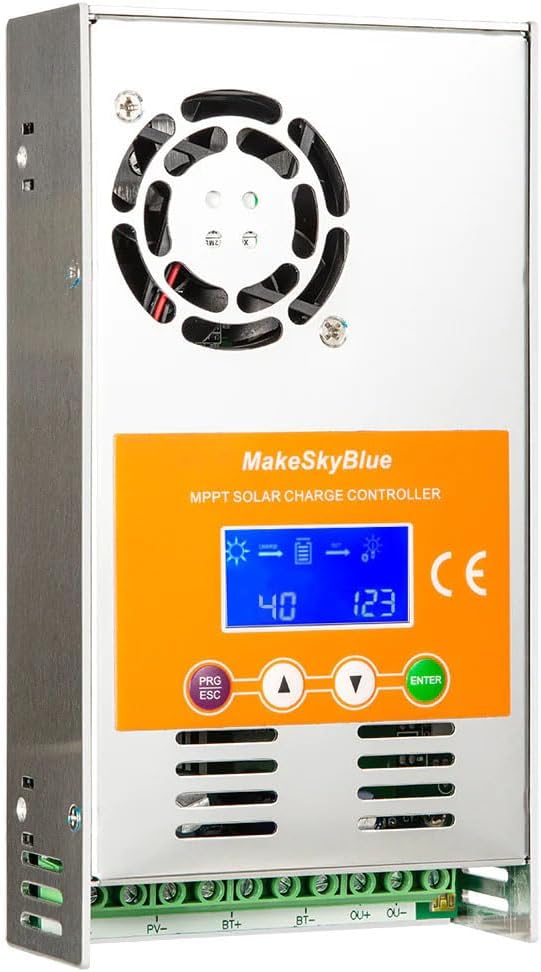
Figure 1: MakeSkyBlue 40A-V123 MPPT Solar Charge Controller
2. Safety Instructions
Observe the following safety precautions during installation and operation:
- Ensure all wiring is correctly polarized and securely connected to prevent damage to the controller and other components.
- Always connect the battery to the charge controller first, and disconnect it last.
- Do not connect the solar panel array to the controller without a battery connected.
- Ensure the solar panel array's open circuit voltage (Voc) does not exceed the controller's maximum input voltage.
- Install the controller in a well-ventilated area, away from flammable materials and direct sunlight.
- Use appropriate circuit breakers or fuses for all connections (solar, battery, load).
- Avoid touching live terminals. Only qualified personnel should perform electrical work.
3. Product Overview
The MakeSkyBlue 40A-V123 MPPT Solar Charge Controller features advanced Maximum Power Point Tracking technology to maximize energy harvest from your solar array. It includes a multi-function LCD for monitoring and parameter adjustment, and supports 12V, 24V, and 48V battery systems with automatic voltage detection.
3.1 Key Features
- Intelligent Maximum Power Point Tracking (MPPT) technology.
- Built-in DSP controller for high performance.
- Three-stage charging algorithm to optimize battery performance and lifespan.
- Multi-function LCD display with backlight for real-time data and error codes.
- Automatic battery voltage detection (12V/24V/48V).
- Compatible with various battery types including Lead-Acid, AGM, and Gel.
- Protection features: limited current, temperature, and overcharging.

Figure 2: Compatible Battery Types (Gel, Flooded, AGM)

Figure 3: Illustration of Maximum Power Point Tracking (MPPT) vs. PWM
4. Setup and Installation
Follow these steps for proper installation of your MPPT solar charge controller. Refer to the wiring diagram for visual guidance.
4.1 Wiring Diagram

Figure 4: MPPT Charge Controller System Wiring Diagram
4.2 Installation Steps
- Mounting: Mount the controller vertically on a non-flammable surface in a cool, dry, and well-ventilated area. Ensure adequate clearance around the unit for heat dissipation.
- Battery Connection: Connect the battery cables to the controller's BAT+ and BAT- terminals. Ensure correct polarity. The controller will automatically detect the battery voltage (12V, 24V, or 48V).
- Solar Panel Connection: Connect the solar panel array cables to the controller's PV+ and PV- terminals. Ensure correct polarity. The controller will begin charging the battery.
- Load Connection (Optional): If using the load output, connect your DC loads to the OUT+ and OUT- terminals. Ensure the total current draw does not exceed the controller's rated load current.
- Verify Connections: Double-check all connections for tightness and correct polarity before powering on the system.
Important: Always connect the battery first and disconnect it last. Failure to follow this sequence may damage the controller.
5. Operating Instructions
The controller's LCD display provides real-time system status and allows for parameter adjustments. The control buttons are PRG/ESC, Up (▲), Down (▼), and ENTER.
5.1 LCD Display Functions
The LCD cycles through various screens displaying system information. You can manually cycle through screens using the Up/Down buttons or enter parameter settings using PRG/ESC and ENTER.
- Main Display: Shows charging status, battery level, and output status.
- Cumulative Power Generation: Displays total energy generated by the solar panels.
- PV Voltage and Load Power: Shows current solar panel voltage and load power consumption.
- Battery Voltage and Load Current: Displays current battery voltage and load current.
- Accumulated Discharge: Shows total energy discharged from the battery.
- Internal Temperature: Displays the internal temperature of the controller.
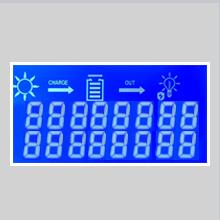
Figure 5: Main Display showing charge and output status.
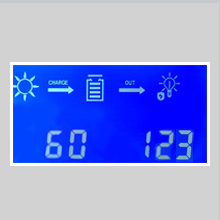
Figure 6: Display showing cumulative power generation.
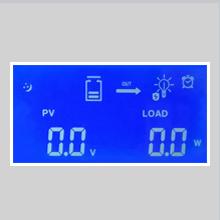
Figure 7: Display showing PV voltage and load power.
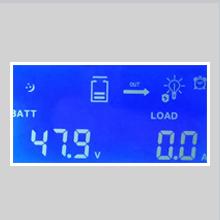
Figure 8: Display showing battery voltage and load current.
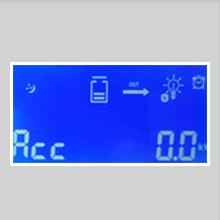
Figure 9: Display showing accumulated discharge.
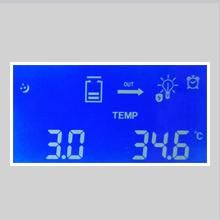
Figure 10: Display showing internal temperature.
5.2 Parameter Adjustment
To enter parameter adjustment mode, press the PRG/ESC button. Use the Up (▲) and Down (▼) buttons to navigate through parameters and adjust values. Press ENTER to confirm changes. Press PRG/ESC again to exit the setting mode.
Common adjustable parameters include:
- b00: Load working mode (e.g., 24H for continuous, or timed modes).
- b01: Overcharge protection voltage (e.g., 55.2V for 48V system).
- b02: Charging recovery voltage (e.g., 58.0V for 48V system).
- b03: Over-discharge protection voltage (e.g., 40.0V for 48V system).
- b04: Over-discharge recovery voltage.
- b06: Battery type setting (e.g., 47.9V for a specific battery type).
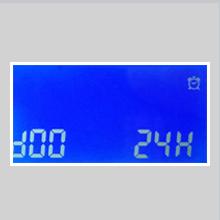
Figure 11: Parameter b00 for load working mode.
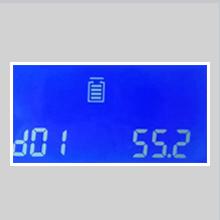
Figure 12: Parameter b01 for overcharge protection voltage.
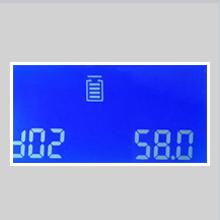
Figure 13: Parameter b02 for charging recovery voltage.
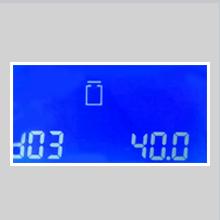
Figure 14: Parameter b03 for over-discharge protection voltage.
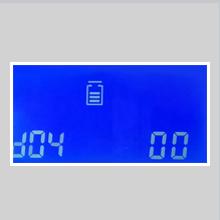
Figure 15: Parameter b04 for over-discharge recovery voltage.
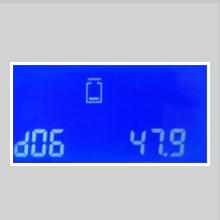
Figure 16: Parameter b06 for battery type setting.
Refer to the full product manual (if available from the manufacturer) for a complete list of parameters and their recommended settings for different battery types.
6. Maintenance
Regular maintenance ensures optimal performance and longevity of your solar charge controller:
- Cleaning: Periodically clean the controller's exterior, especially the cooling fins and fan openings, to prevent dust buildup and ensure proper heat dissipation. Use a dry cloth.
- Connection Check: Annually inspect all wiring connections for tightness and corrosion. Loose connections can cause overheating and power loss.
- Ventilation: Ensure the installation area remains well-ventilated and free from obstructions.
- Battery Inspection: Regularly check your battery bank for signs of damage, corrosion, or electrolyte levels (for flooded batteries).
7. Troubleshooting
The LCD display can show error codes to indicate specific issues. If an error occurs, note the code and refer to the manufacturer's documentation for detailed troubleshooting steps. General troubleshooting tips include:
- No Display/No Power: Check battery connections and ensure the battery has sufficient voltage.
- No Charging: Verify solar panel connections, ensure sufficient sunlight, and check for any shading on the panels. Confirm PV array voltage is within the controller's operating range.
- Overcharging/Undercharging: Check battery type settings and charging parameters (b01, b02). Ensure the battery is healthy.
- Load Not Working: Check load connections, ensure the load output is enabled (b00 setting), and verify the load current does not exceed the controller's rating. Check for over-discharge protection (b03).
- Over-temperature Error: Ensure adequate ventilation around the controller. Clean any dust from cooling fins.
If the issue persists, contact MakeSkyBlue customer support.
8. Specifications
Key technical specifications for the MakeSkyBlue 40A-V123 MPPT Solar Charge Controller:
| Feature | Specification |
|---|---|
| Model | 40A-V123 |
| System Voltage | 12V / 24V / 48V Auto |
| Maximum PV Array Power (12V Battery) | ≤ 720W |
| Maximum PV Array Power (24V Battery) | ≤ 1440W |
| Maximum PV Array Power (48V Battery) | ≤ 2800W |
| PV Array Open Circuit Voltage (Voc) (12V Battery) | 20V - 80V |
| PV Array Open Circuit Voltage (Voc) (24V Battery) | 37V - 105V |
| PV Array Open Circuit Voltage (Voc) (48V Battery) | 72V - 160V |
| Limited Current Protection | 61A |
| Temperature Protection | >75℃ |
| Fan-on Temperature | >45℃ |
| Fan-off Temperature | <40℃ |
| Overcharging Protection Voltage (12V Battery) | 15V |
| Overcharging Protection Voltage (24V Battery) | 30V |
| Overcharging Protection Voltage (48V Battery) | 60V |
| Operating Temperature | Up to 45℃ |
| Display Type | LCD |
| Item Weight | 2.87 pounds (1300 Grams) |
| Package Dimensions | 9.84 x 7.87 x 2.76 inches |
| UPC | 634769632563 |
8.1 Product Dimensions

Figure 17: Product Dimensions (approx. 21.65cm H x 14.96cm W x 8.66cm D)
9. Warranty and Support
For warranty information, technical support, or service inquiries, please contact MakeSkyBlue directly through their official channels. Keep your purchase receipt as proof of purchase.
You can visit the MakeSkyBlue Store on Amazon for more information.


