
1. Introduction
This manual provides essential information for the installation, operation, and maintenance of your CUIPPWRJ A305 CJ300 Carburetor. This carburetor is designed for compatibility with Zenoah G2500 25cc and Alpina CJ300 A305 engines. Please read these instructions carefully before proceeding with installation or use to ensure proper function and safety.
Important: Always ensure the carburetor is compatible with your specific engine model before installation. Refer to your engine's service manual for detailed instructions on carburetor replacement and adjustment.
2. Product Overview and Features
The CUIPPWRJ A305 CJ300 Carburetor is a replacement component designed to restore optimal fuel delivery and engine performance. Key features include:
- Durable Construction: Built with robust materials for long-lasting performance.
- Broad Compatibility: Designed to fit various models, specifically Zenoah G2500 and Alpina CJ300 A305 engines.
- Efficient Fuel Delivery: Engineered to restore and optimize engine performance.
- Cost-Effective: Provides an economical solution for carburetor replacement.

Figure 2.1: Top-down view of the CUIPPWRJ A305 CJ300 Carburetor, showing the main body and adjustment screws.
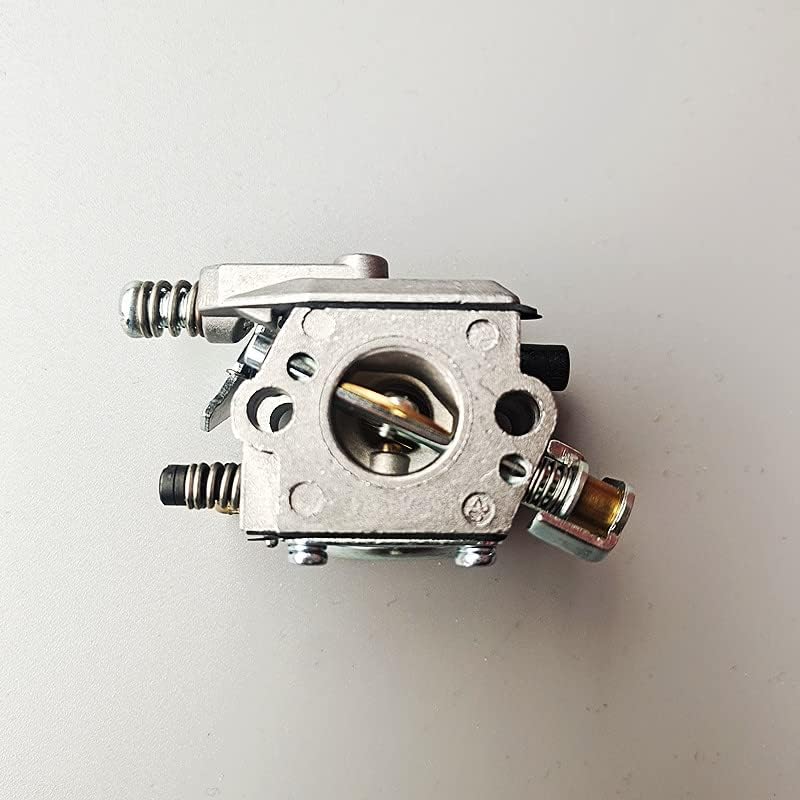
Figure 2.2: Side view of the carburetor, highlighting the fuel inlet and throttle linkage.
3. Setup and Installation
Safety First: Before beginning any installation, ensure the engine is turned off, cooled down, and disconnected from any power source (e.g., spark plug wire removed). Wear appropriate safety gear, including gloves and eye protection.
- Preparation: Gather necessary tools (screwdrivers, wrenches, pliers, gasket scraper, new gaskets if required).
- Remove Old Carburetor:
- Locate the existing carburetor on your engine.
- Carefully disconnect the fuel lines, throttle linkage, and choke linkage. Be prepared for minor fuel spills.
- Unbolt the carburetor from the engine manifold. Note the position of any gaskets or spacers.
- Clean Mounting Surface: Ensure the engine's mounting surface is clean and free of old gasket material.
- Install New Carburetor:
- Place new gaskets (if applicable) onto the mounting studs.
- Mount the new CUIPPWRJ A305 CJ300 Carburetor onto the studs and secure it with the retaining nuts, tightening them evenly.
- Reconnect the fuel lines, ensuring they are securely clamped.
- Reconnect the throttle and choke linkages, verifying smooth operation.
- Initial Adjustments: Most new carburetors come with factory preset adjustments. However, minor adjustments may be necessary after installation. Refer to the "Operating Instructions" section for guidance.

Figure 3.1: Angled top view of the carburetor, showing the air intake and fuel mixture screws.
4. Operating Instructions
After installation, follow these general steps to operate your engine with the new carburetor. Specific starting procedures may vary by engine model.
- Fuel Supply: Ensure the engine has fresh, clean fuel. Prime the carburetor if your engine has a primer bulb.
- Choke Setting: For a cold engine, set the choke to the "FULL CHOKE" position. For a warm engine, the choke may not be necessary or only require a partial choke.
- Throttle Position: Set the throttle to a mid-range or starting position as recommended by your engine manufacturer.
- Starting the Engine: Pull the starter cord firmly until the engine attempts to start or "pops."
- Adjusting Choke: Once the engine starts, gradually move the choke to the "OFF" or "RUN" position as the engine warms up.
- Fine-Tuning (if necessary):
- Idle Speed Screw: Adjust this screw to achieve a stable idle RPM.
- High-Speed Mixture Screw: If your carburetor has one, adjust it for optimal power and smooth operation at full throttle. Turn clockwise to lean the mixture, counter-clockwise to enrich. Adjust in small increments.
- Low-Speed Mixture Screw: If present, adjust for smooth acceleration from idle.
Caution: Improper carburetor adjustments can lead to engine damage. If you are unsure, consult a qualified technician or your engine's service manual.
5. Maintenance
Regular maintenance ensures the longevity and optimal performance of your carburetor.
- Fuel Quality: Always use fresh, clean fuel. Stale or contaminated fuel is a primary cause of carburetor issues. Consider using a fuel stabilizer if storing the engine for extended periods.
- Fuel Filter: Regularly inspect and replace the fuel filter to prevent debris from entering the carburetor.
- Air Filter: A clean air filter is crucial for proper air-fuel mixture. Clean or replace the air filter according to your engine's maintenance schedule.
- External Cleaning: Keep the exterior of the carburetor clean from dirt, dust, and fuel residue.
- Internal Cleaning (Advanced): If performance issues arise due to clogged jets or passages, the carburetor may need to be disassembled and cleaned with a carburetor cleaner. This procedure requires mechanical aptitude and should only be performed by experienced individuals or a professional.
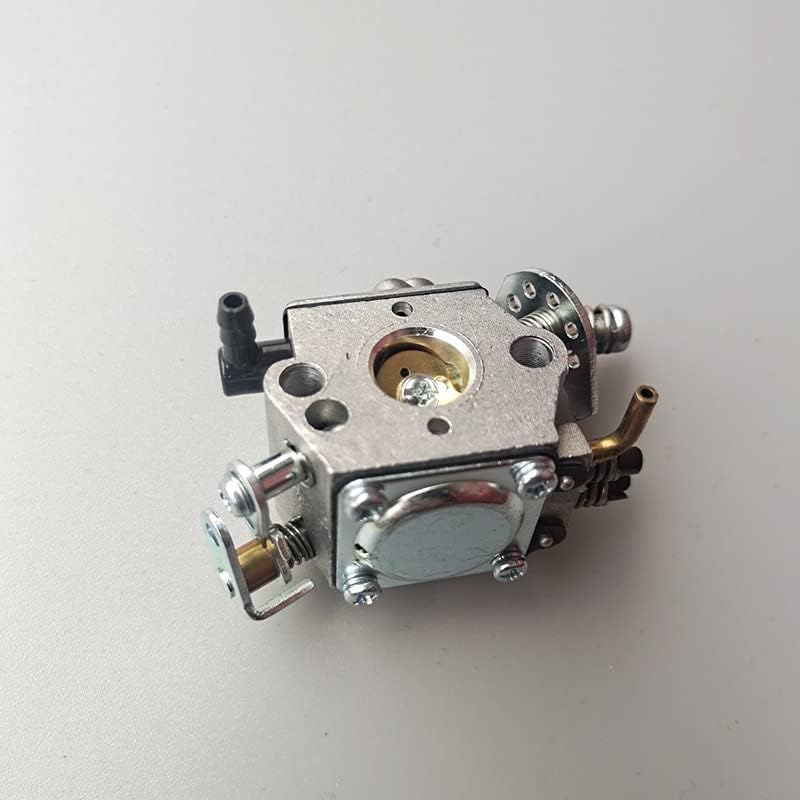
Figure 5.1: Bottom view of the carburetor, showing the float bowl area and mounting points.
6. Troubleshooting
If you encounter issues after installing the carburetor, consider the following common problems and solutions:
- Engine Not Starting:
- Check fuel level and ensure fresh fuel.
- Verify spark plug is clean and firing.
- Ensure choke is set correctly for starting.
- Check for fuel flow to the carburetor (e.g., clogged fuel filter, pinched fuel line).
- Confirm all linkages (throttle, choke) are connected and operating freely.
- Engine Runs Poorly (Rough Idle, Stalling, Lack of Power):
- Adjust idle speed and mixture screws (refer to Section 4).
- Inspect air filter for clogs.
- Check for vacuum leaks around the carburetor mounting gaskets.
- Ensure fuel lines are not kinked or restricted.
- If the issue persists, the carburetor may require internal cleaning or further adjustment by a professional.
- Fuel Leaks:
- Check all fuel line connections and clamps for tightness.
- Inspect carburetor gaskets for proper sealing.
- A leaking float bowl or needle valve could indicate an internal issue requiring professional service.
For complex issues or if troubleshooting steps do not resolve the problem, it is recommended to consult a qualified engine technician.
7. Specifications
The following specifications apply to the CUIPPWRJ A305 CJ300 Carburetor (Model: CUIPPWRJ123):
| Attribute | Value |
|---|---|
| Model Number | CUIPPWRJ123 |
| Manufacturer | CUIPPWRJ |
| Package Dimensions | 1.18 x 0.79 x 0.39 inches |
| Item Weight | 1.76 ounces |
| Number of Pieces | 1 |
| Assembly Required | No (referring to the carburetor itself, not its installation into an engine) |
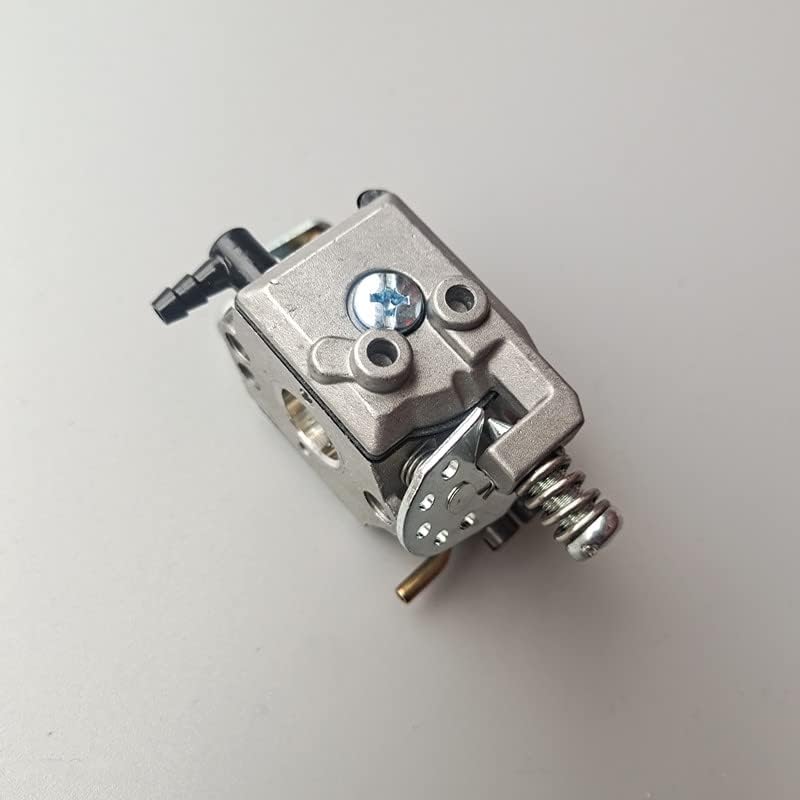
Figure 7.1: Another angled view of the carburetor, showing various components and connections.
8. Warranty and Support
For specific warranty information regarding your CUIPPWRJ A305 CJ300 Carburetor, please refer to the documentation provided at the time of purchase or contact the seller directly. Warranty terms and conditions may vary.
If you require technical assistance or have questions not covered in this manual, please reach out to the product manufacturer or your point of purchase for support.