
1. Product Overview
The UMEIJA OBD2 Scanner is a versatile diagnostic tool designed to help you understand and maintain your vehicle's health. It provides quick and accurate readings of engine error codes, real-time data, and essential system statuses. This device is compatible with most 1996 and newer US cars, 2000 EU and Asian cars, light trucks, SUVs, and newer OBD2 and CAN vehicles.

Figure 1.1: UMEIJA OBD2 Scanner with its diagnostic cable and battery test icon on screen.
2. Setup
Setting up your UMEIJA OBD2 Scanner is a straightforward process. Follow these steps to begin diagnostics:
- Locate the OBD-II Port: The OBD-II port is typically located under the dashboard on the driver's side of your vehicle. Refer to your vehicle's owner's manual if you have difficulty locating it.
- Connect the Scanner: Plug the 16-pin OBD connector from the scanner firmly into your vehicle's OBD-II port. The scanner will automatically power on, drawing power directly from the vehicle's battery.
- Turn On Vehicle Ignition: Turn your vehicle's ignition to the 'ON' position (do not start the engine unless instructed by a specific test). The scanner will then link to the vehicle's system.
Video 2.1: Demonstration of plugging in the OBD2 scanner and initial power-on sequence.
3. Operating Instructions
The UMEIJA OBD2 Scanner features a user-friendly interface with six buttons for easy navigation and operation.
- DTC: Direct access to Diagnostic Trouble Codes.
- BAT: One-click battery health check.
- OK: Confirm selection or enter a menu.
- ESC: Exit current menu or cancel operation.
- Up/Down Arrows: Navigate through menu options.
3.1. Battery Voltage Test
To quickly check your vehicle's battery voltage, press the BAT button. The screen will display the current voltage. A healthy 12V battery typically reads around 12.6V to 12.8V when the engine is off.
3.2. Reading and Clearing Diagnostic Trouble Codes (DTCs)
The primary function of the scanner is to read and clear engine fault codes.
- From the main menu, select OBD/EOBD and press OK.
- Select Read DTC to view active trouble codes. The scanner will display the code (e.g., P0301) and a brief description.
- To clear codes, navigate back to the OBD/EOBD menu and select Clear DTC. Confirm your selection when prompted. This will turn off the Check Engine Light.

Figure 3.1: Screen showing engine fault diagnosis and option to erase codes.
3.3. Live Data Stream
Monitor real-time vehicle sensor data to observe engine performance and identify potential issues.
- From the main menu, select Data Stream and press OK.
- Use the Up/Down arrows to scroll through various data parameters such as RPM, vehicle speed, oxygen sensor readings, and more.
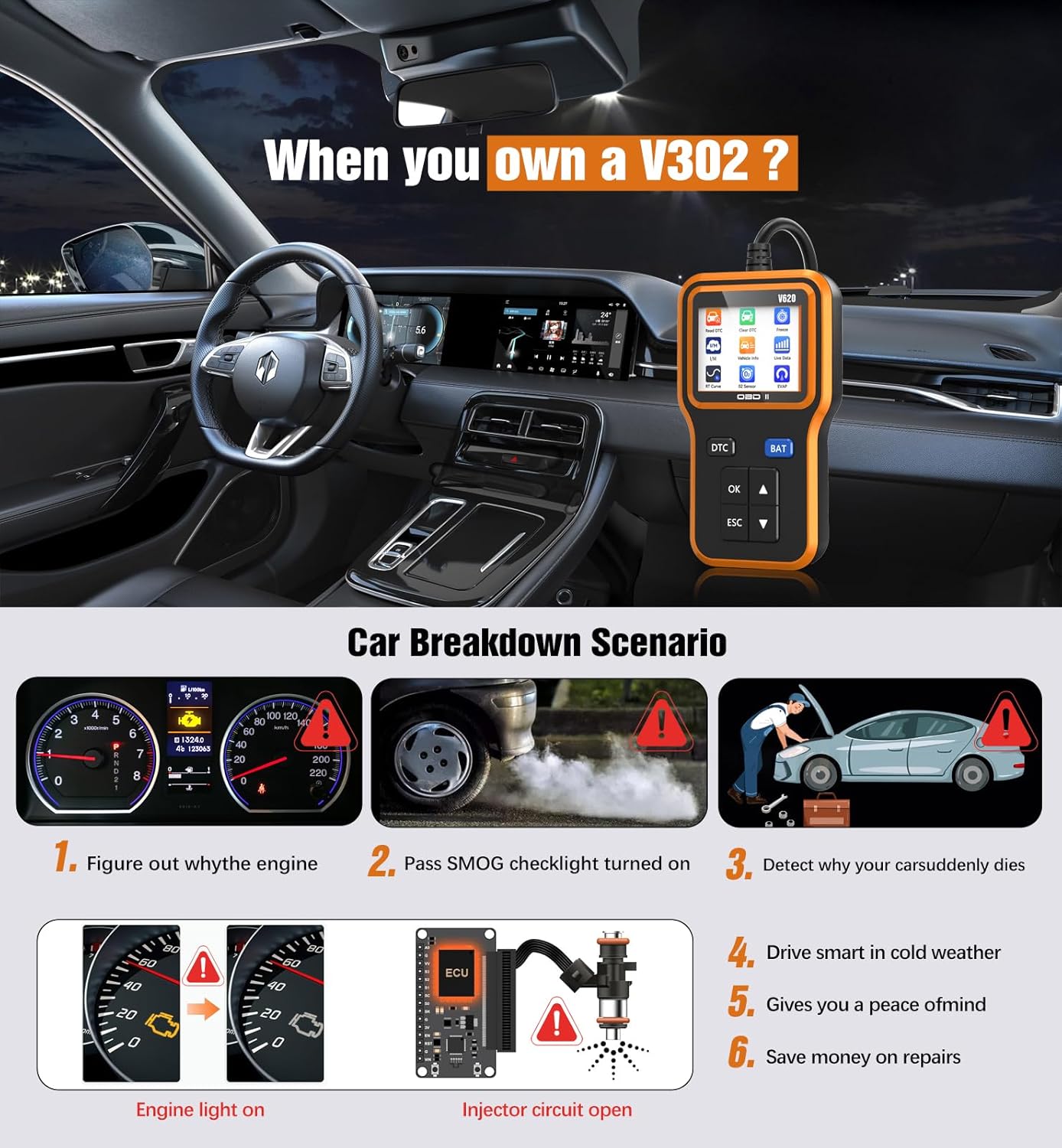
Figure 3.2: Display showing various real-time data parameters from the vehicle's sensors.
3.4. I/M Readiness Status
Check if your vehicle is ready for an emissions test.
- From the main menu, select I/M and press OK.
- The screen will display the status of various emission-related monitors (e.g., Misfire Monitor, Fuel System Monitor, Catalyst Monitor). An 'OK' status indicates the monitor has completed its diagnostic cycle.
3.5. O2 Sensor Test and EVAP System Monitoring
These advanced diagnostic functions help assess oxygen concentration and fuel evaporation systems.
- From the main menu, select O2 Sensor or EVAP and press OK to view relevant data.
4. Maintenance
To ensure the longevity and optimal performance of your UMEIJA OBD2 Scanner, follow these maintenance guidelines:
- Cleaning: Wipe the device with a soft, dry cloth. Avoid using abrasive cleaners or solvents.
- Storage: Store the scanner in a cool, dry place away from direct sunlight and extreme temperatures.
- Software Updates: The scanner supports lifetime free updates. Visit the official UMEIJA website for the latest software and instructions on how to update your device.
5. Troubleshooting
If you encounter issues with your UMEIJA OBD2 Scanner, consider the following common troubleshooting steps:
- Scanner Not Powering On: Ensure the OBD connector is securely plugged into the vehicle's OBD-II port. Verify the vehicle's ignition is in the 'ON' position.
- No Codes Found / Communication Error: Check that the vehicle is OBD-II compliant (most 1996 and newer vehicles). Ensure all connections are secure. Try the scanner on a different compatible vehicle if possible to rule out a vehicle-specific issue.
- Check Engine Light Returns After Clearing: If the Check Engine Light reappears shortly after clearing codes, it indicates an underlying issue that needs to be addressed. Clearing codes only resets the light; it does not fix the problem. Consult a qualified mechanic for further diagnosis and repair.
6. Specifications
| Feature | Detail |
|---|---|
| Brand | UMEIJA |
| Model | OBD-V620 |
| Product Dimensions | 7.87"L x 5.51"W x 1.69"H |
| Item Weight | 10.2 ounces |
| Operating System | OBD2 Scanner Reader |
| Display Resolution | 720x1440 |
| Automotive Fit Type | Universal Fit |
7. Warranty and Support
The UMEIJA OBD2 Scanner comes with a 90-Day Warranty. Our dedicated technical team and professional customer service staff are available to answer your questions and assist you with product usage, ensuring a satisfactory user experience. For support, please refer to the contact information provided with your purchase or visit the official UMEIJA website.