
1. Important Safety Information
WARNING: Installation of automotive brake components requires specialized knowledge and tools. Improper installation can lead to brake failure, serious injury, or death. It is highly recommended that this product be installed by a qualified professional mechanic.
- Always disconnect the vehicle's battery before beginning any work on the brake system.
- Wear appropriate personal protective equipment (PPE), including safety glasses and gloves.
- Ensure the vehicle is securely supported on jack stands before working underneath it.
- Never operate the vehicle with a malfunctioning brake system.
- Properly dispose of old brake fluid and components according to local regulations.
Refer to your vehicle's service manual for specific procedures and torque specifications.
2. Product Overview
The PYZFONJ BD-914 47210-JE20A Brake Booster is a critical component of your vehicle's power brake system. It is designed to amplify the force applied by the driver to the brake pedal, making braking easier and more effective. This vacuum-assisted unit utilizes engine vacuum to reduce the effort required to depress the brake pedal, thereby enhancing braking performance and driver comfort.
This brake booster is specifically engineered to be compatible with Nissan Rogue and X-Trail models manufactured from 2006 onwards, ensuring a precise fit and reliable operation.
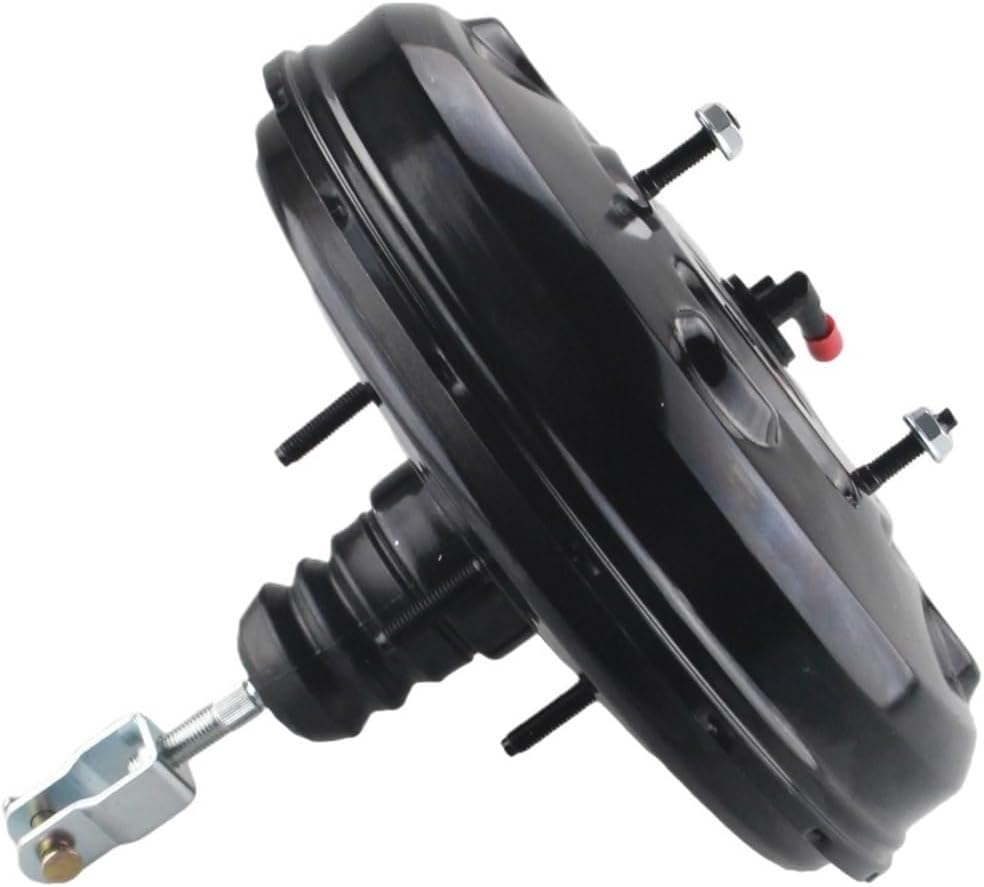
Figure 1: Front-side view of the PYZFONJ BD-914 47210-JE20A Brake Booster. This image displays the main housing, mounting studs, and the pushrod connection point.
3. Specifications
| Feature | Detail |
|---|---|
| Brand | PYZFONJ |
| Manufacturer Part Number | BD-914 |
| Interchange Part Number | 47210-JE20A |
| Compatibility | Nissan Rogue/X-Trail (2006-Present) |
| Item Weight | 50 g (Note: This weight seems unusually low for a brake booster. Please verify actual product weight upon receipt.) |
| Country of Origin | China |

Figure 2: Rear view of the brake booster, highlighting the OEM part number 47210-JE20A. This view shows the mounting points and vacuum port.
4. Setup and Installation
Due to the critical nature of the brake system, professional installation by a certified mechanic is strongly recommended. The following steps are a general overview and should not replace detailed instructions from a vehicle-specific service manual.
- Preparation: Park the vehicle on a level surface, engage the parking brake, and disconnect the negative terminal of the battery. Allow the engine to cool.
- Brake Fluid Drainage: Carefully drain a small amount of brake fluid from the master cylinder reservoir to prevent spills during removal.
- Disconnect Components: Disconnect the vacuum hose from the brake booster. Inside the vehicle, disconnect the brake pedal pushrod from the brake pedal.
- Remove Master Cylinder: Unbolt the master cylinder from the brake booster. It may not be necessary to disconnect the brake lines from the master cylinder if it can be carefully moved aside.
- Remove Old Booster: From inside the vehicle, remove the nuts securing the brake booster to the firewall. Carefully remove the old brake booster from the engine bay.
- Install New Booster: Position the new PYZFONJ BD-914 brake booster into place, ensuring the mounting studs pass through the firewall. Secure it with the nuts from inside the vehicle, tightening to manufacturer specifications.
- Reassemble: Reattach the master cylinder to the new booster. Connect the brake pedal pushrod. Reconnect the vacuum hose.
- Bleed Brake System: This is a crucial step. The brake system must be properly bled to remove any air that may have entered during the installation process. Follow your vehicle's specific bleeding procedure.
- Final Checks: Reconnect the battery. Start the engine and test the brake pedal for proper feel and function before driving. Check for any brake fluid leaks.
Always use new gaskets and seals where specified by the vehicle manufacturer.
5. Operation
The brake booster operates by using the vacuum created by the engine to assist the driver in applying the brakes. When the brake pedal is pressed, a valve inside the booster opens, allowing atmospheric pressure to push on one side of a diaphragm while engine vacuum pulls on the other. This pressure differential amplifies the force from the brake pedal, making it easier to stop the vehicle.
A properly functioning brake booster will provide a firm yet easy-to-depress brake pedal. If the pedal feels unusually hard or requires excessive force to stop the vehicle, it may indicate an issue with the brake booster or vacuum system.
6. Maintenance
The brake booster itself typically requires no routine maintenance. However, it is part of the larger brake system, which should be regularly inspected:
- Brake Fluid: Check brake fluid level regularly and ensure it is clean. Replace brake fluid according to your vehicle manufacturer's recommendations.
- Vacuum Hoses: Inspect all vacuum hoses connected to the brake booster for cracks, leaks, or deterioration. Replace any damaged hoses promptly.
- Master Cylinder: Check the master cylinder for leaks or signs of wear.
- Brake Pedal: Ensure the brake pedal operates smoothly and returns to its resting position without sticking.
Any signs of brake system malfunction should be addressed immediately by a qualified mechanic.
7. Troubleshooting
If you experience issues with your brake system after installing or while using the brake booster, consider the following common problems and potential causes:
| Symptom | Possible Cause | Action |
|---|---|---|
| Hard Brake Pedal: Requires excessive force to depress. |
|
|
| Spongy or Low Brake Pedal: Pedal goes too far down. |
|
|
| Hissing Sound from Pedal Area: Audible when pressing the brake. |
|
|
If troubleshooting steps do not resolve the issue, seek assistance from a qualified automotive technician.
8. Warranty and Support
For information regarding the warranty period, terms, and conditions for your PYZFONJ BD-914 47210-JE20A Brake Booster, please refer to the documentation provided with your purchase or contact the seller directly. Keep your proof of purchase for any warranty claims.
For technical support or further assistance, please reach out to the PYZFONJ customer service or the retailer from whom the product was purchased.