
1. Introduction
This manual provides essential information for the installation, operation, and maintenance of your CLLOMAGY 2.5"x12.75"x1" Metal Catalytic Combustor. Designed as a replacement for specific Vermont Castings wood stove models, this combustor enhances stove efficiency, extends burn times, and reduces emissions for a cleaner and more effective heating experience.
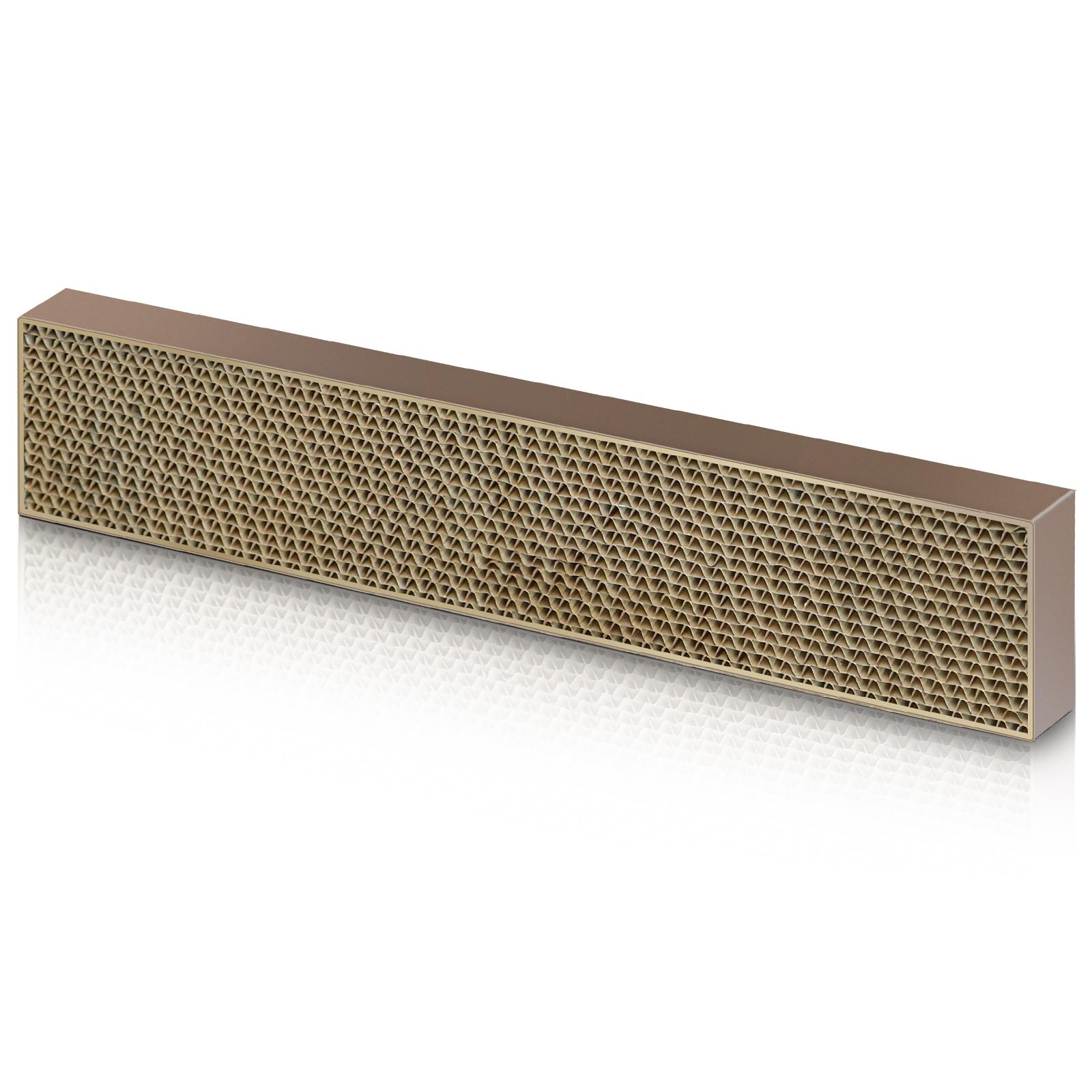
Figure 1: CLLOMAGY 2.5"x12.75"x1" Metal Catalytic Combustor
2. Product Overview and Specifications
The CLLOMAGY Metal Catalytic Combustor is engineered for durability and high performance, featuring a robust metal construction with 50 CSPI (cells per inch) for optimal catalytic activity. It is a direct replacement for Vermont Castings OEM part number 30006623.
2.1. Dimensions
- Nominal Size: 2.5" x 12.75" x 1"
- Actual Size: 2.49" x 12.78" x 1.12"

Figure 2: Actual dimensions of the combustor
2.2. Compatibility
This catalytic combustor is compatible with the following Vermont Castings wood stove models:
- For Defiant:
- Defiant CAT-C 1975/1976/1977/1979/1980
- Defiant Flexburn 2N1 1975/1976/1977/1979
- Defiant Wood Parlor - Pre-1990 (USA Models)
- For Encore:
- Encore CAT-C 2040/2041/2042/2044/2046
- Encore Flexburn 2N1 2040/2041/2042/2044
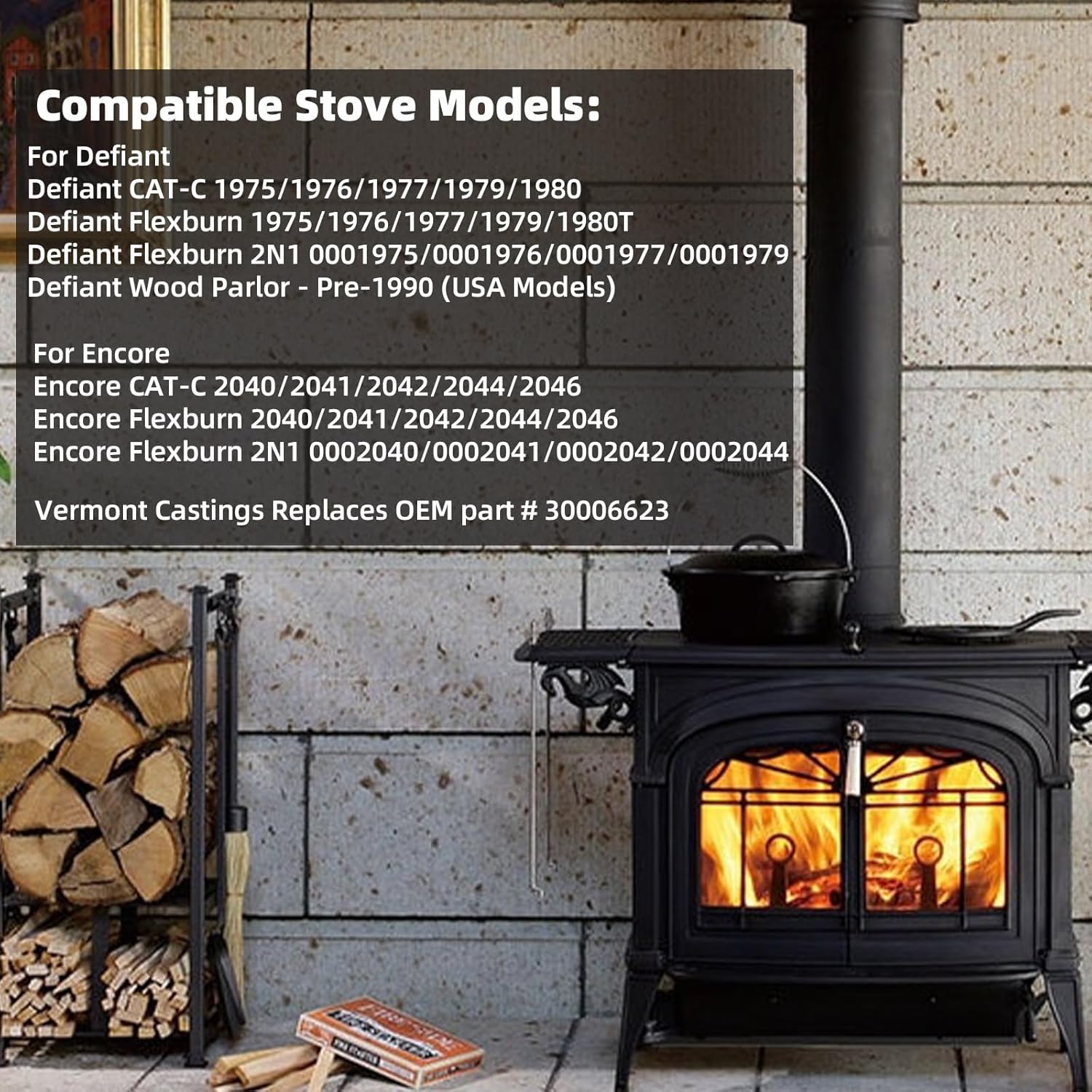
Figure 3: Compatible stove models
2.3. How it Works
The catalytic combustor facilitates a secondary burn of exhaust gases, converting unburnt smoke particles into additional heat and cleaner emissions. This process significantly improves the stove's efficiency.

Figure 4: Catalytic combustion process diagram
3. Installation
Before beginning installation, ensure your wood stove is completely cool. It is recommended to wait at least 48 hours after the last fire to prevent burns.
3.1. Removing the Old Combustor
- Open the wood stove doors and locate the access panels covering the combustor chamber.
- Carefully remove any internal shields or panels to expose the old catalytic combustor.
- Gently slide out the old combustor. Inspect it for damage (e.g., holes, rust, eroded honeycomb pattern).
- Clean the combustor chamber thoroughly, removing any ash or debris. Ensure all vent holes are clear.
3.2. Installing the New Combustor
- Carefully unpackage the new CLLOMAGY catalytic combustor. Handle with care to avoid damage.
- Slide the new combustor into the chamber, ensuring it sits securely and correctly.
- Reinstall any removed shields or access panels.
- Close the wood stove doors.
Video 1: Demonstrates the removal and installation of a catalytic combustor in a wood stove. This video shows the process of taking out the old combustor, cleaning the area, and inserting the new one.
Video 2: Provides a visual guide on replacing a wood stove catalytic combustor. It illustrates the steps for removing the old unit and fitting the new one into the stove.

Figure 5: Combustor installed in a wood stove
4. Operation
For optimal performance and longevity of your catalytic combustor, adhere to the following operational guidelines:
- Use Dry Wood Only: The combustor is designed for use with dry wood. Burning wood with high moisture content can significantly reduce the combustor's lifespan and performance.
- Activate at Higher Temperatures: The combustor activates at higher temperatures, typically around 500°F. Ensure your stove reaches this temperature for the catalytic process to begin effectively.
- Benefits: Proper operation leads to up to 8 hours longer overnight burns without refueling, approximately 1/3 wood usage savings, reduced smoky smell, hotter and more consistent clean burning, and a 75% reduction in harmful wood stove output.
5. Maintenance
Regular inspection and cleaning are crucial for maintaining the efficiency and lifespan of your catalytic combustor.
5.1. Inspection
Periodically inspect the combustor for signs of wear or damage. Look for:
- Erosion or holes in the honeycomb pattern.
- Significant rust or deterioration of the metal frame.
- Blockages within the honeycomb cells.
If the honeycomb pattern is significantly damaged or eroded, it is time for a replacement.
5.2. Cleaning
To clean the combustor:
- Ensure the stove is completely cool.
- Remove the combustor as described in the installation section.
- Gently tap the combustor to dislodge any accumulated ash or debris. Avoid aggressive brushing or harsh cleaning agents, as this can damage the catalytic coating.
- Use a shop vacuum to clean out any remaining ashes from the combustor chamber and ensure all vent holes are clear.
- Reinstall the cleaned combustor.

Figure 6: Close-up view of the combustor for inspection
6. Troubleshooting
If you experience issues with your wood stove's performance after installing or while using the catalytic combustor, consider the following:
- Excessive Smoke: If your wood stove produces a lot of smoke even when up to temperature, the catalytic combustor may be clogged or damaged. Inspect and clean or replace as necessary.
- Reduced Heat Output/Shorter Burn Times: These symptoms can indicate a failing or inefficient combustor. Check for blockages or physical damage.
- Improper Activation: Ensure you are using dry wood and that the stove reaches the necessary temperature for the combustor to activate.
7. Important Safety Information
- Always allow the wood stove to cool completely before performing any maintenance or inspection.
- Wear appropriate personal protective equipment, such as gloves and eye protection, when handling stove components.
- Refer to your specific wood stove's owner's manual for additional safety guidelines and operating instructions.
- Ensure proper ventilation during stove operation.
8. Warranty and Support
For information regarding product warranty, returns, or technical support, please refer to the seller's policies or contact CLLOMAGY customer service directly. Keep your purchase receipt for warranty claims.