
1. Introduction
The MinimumRC Butterfly V1 is an ultralight, 3-channel fixed-wing aircraft model designed for enthusiasts ranging from beginners to professionals. This kit version offers a modular design for straightforward assembly, making it an excellent choice for those new to RC aircraft building while providing a rewarding experience for seasoned hobbyists. Its robust EPP foam construction ensures durability and resistance to impacts, while the high-performance motor system delivers efficient and stable flight.
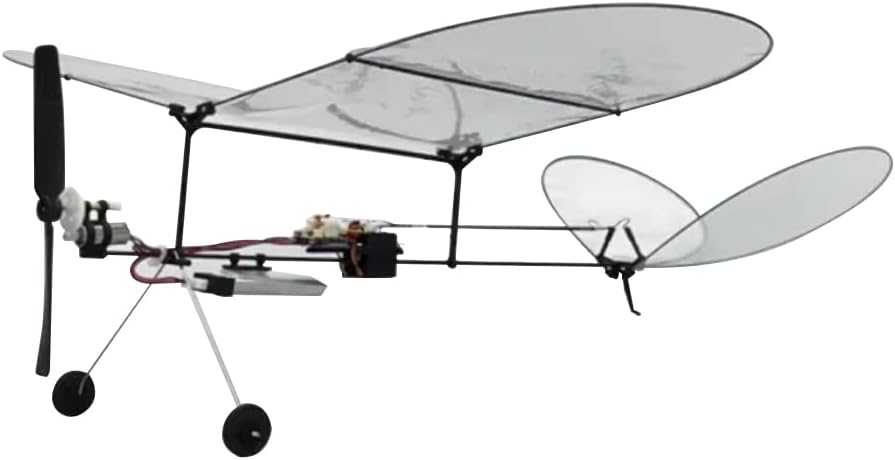
Figure 1: The MinimumRC Butterfly V1 ultralight monoplane model, showcasing its assembled form with propeller and landing gear.
This manual provides comprehensive instructions for assembly, operation, maintenance, and troubleshooting to ensure you get the most out of your MinimumRC Butterfly V1.
2. Package Contents
Upon opening your MinimumRC Butterfly V1 kit, please verify that all the following components are included:
- Aircraft Kit (unassembled components for the airframe)
- High Performance 1020 Brushed Hollow-cup Motor
Note: The following essential components are not included in this kit and must be acquired separately for flight:
- 4CH Receiver with Brushed ESC
- 3.7V 260mAh Li-Po Battery
- Lithium Battery Charger
- 2.4GHz / 4CH Remote Controller
3. Technical Specifications
Detailed specifications for the MinimumRC Butterfly V1:
| Feature | Specification |
|---|---|
| Material | Carbon Fiber (frame), EPP Foam (wings/body) |
| Wingspan/Width | 360mm |
| Flying Weight | 23g |
| Motor | High Performance 1020 Brushed Hollow-cup Motor |
| Recommended ESC/Receiver | 4CH Receiver with Brushed ESC (Not Included) |
| Recommended Battery | 3.7V 260mAh Li-Po Battery (Not Included) |
| Recommended Remote Controller | 2.4GHz / 4CH (Not Included) |
| Wing Flaps | Not Included |
| Difficulty Level | From Beginners to Professionals |
| Flight Time | 15-20 minutes (approx.) |
| Average Assembly Time | Within 20 minutes |
| Product Weight | 200g (approx.) |
| Package Dimensions | 40 x 18 x 4 cm (15.75 x 7.09 x 1.57 inches) |
| Recommended Age | 14+ years |
4. Assembly and Setup
The MinimumRC Butterfly V1 features a modular design, making its assembly process straightforward and quick. On average, assembly can be completed within 20 minutes.
4.1. Pre-Assembly Checklist
- Ensure all components listed in Section 2 are present.
- Have your separately purchased ESC/Receiver, battery, charger, and remote controller ready.
- Prepare a clean, flat workspace.
4.2. Assembly Steps
While a detailed graphic manual is typically provided with the kit, the general steps involve:
- Carefully attach the main wing to the fuselage structure.
- Secure the tail section, including the horizontal and vertical stabilizers.
- Install the provided 1020 brushed hollow-cup motor into its designated mount.
- Mount the landing gear assembly.
- Integrate your purchased 4CH Receiver with Brushed ESC and connect it to the motor and servos (if applicable).
- Securely place the 3.7V 260mAh Li-Po battery in its compartment, ensuring proper balance.
- Perform initial control surface checks with your remote controller.
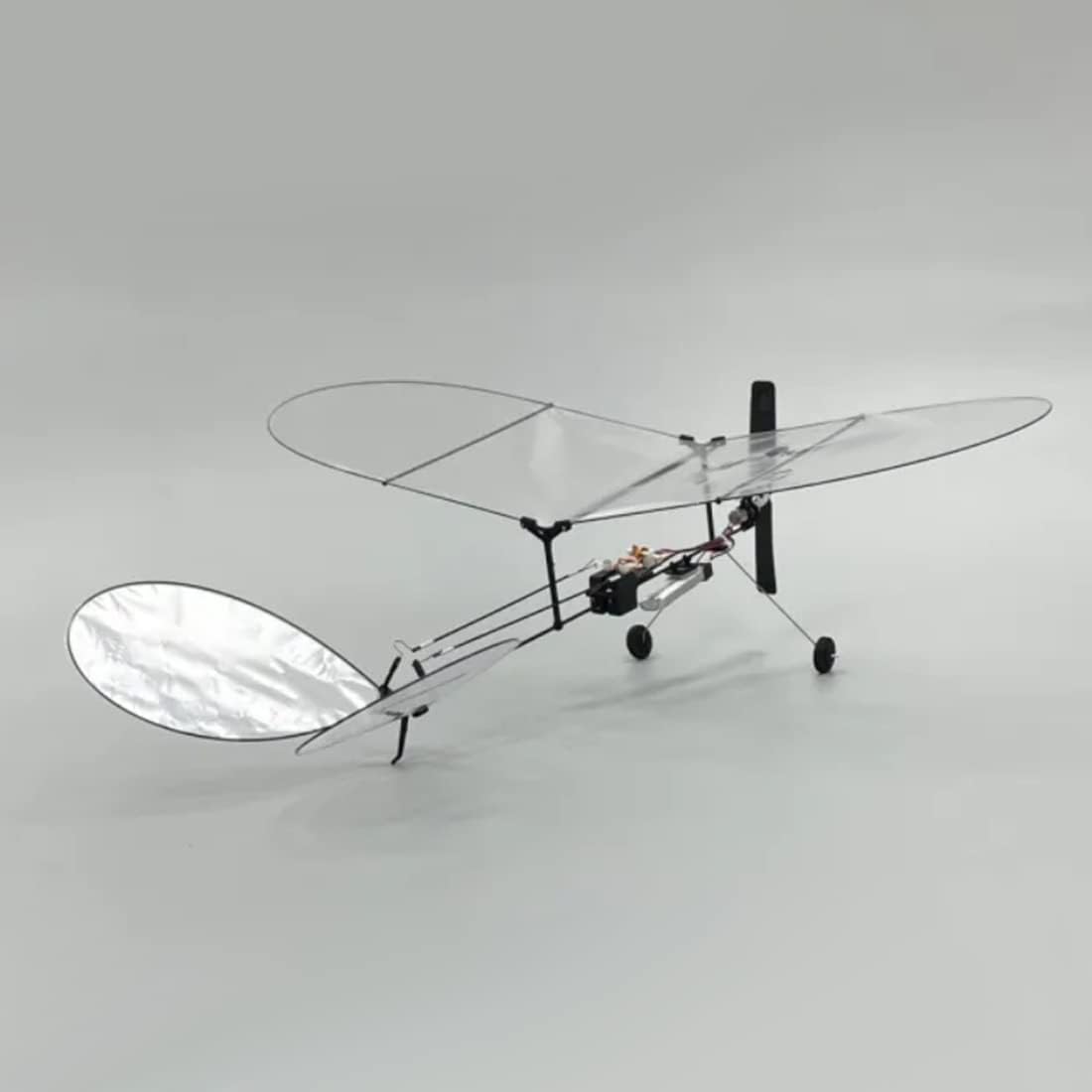
Figure 2: Side view of the assembled aircraft, illustrating the wing and tail structure.
For detailed visual instructions, refer to the graphic manual included with your kit or the electronic manual available from the manufacturer.
5. Operating Instructions
The MinimumRC Butterfly V1 is designed for ease of control, allowing even rookie pilots to quickly master stable flight. Its 3-channel control system provides excellent sports performance and responsive handling.
5.1. Pre-Flight Checks
- Ensure the battery is fully charged.
- Verify all control surfaces (rudder, elevator, throttle) respond correctly to your remote controller inputs.
- Check for any loose connections or damaged parts.
- Confirm the propeller is securely attached and free from obstructions.
5.2. Flight Operation
- Take-off: Find an open area free from obstacles. Gently increase throttle and guide the aircraft into the wind for a smooth lift-off.
- Control: The 2.4GHz remote control system offers excellent anti-interference capabilities, allowing multiple aircraft to fly simultaneously without interference.
- Throttle: Controls motor speed and altitude.
- Rudder: Controls yaw (left/right turning).
- Elevator: Controls pitch (nose up/down for ascent/descent).
- Landing: Reduce throttle gradually and guide the aircraft into a gentle descent, aiming for a smooth touchdown.

Figure 3: The aircraft positioned for flight, highlighting its lightweight design.
The powerful high-level motor system and sensitive response system ensure a dynamic and enjoyable flying experience.
6. Maintenance and Care
Proper maintenance will extend the lifespan and ensure optimal performance of your MinimumRC Butterfly V1.
- Cleaning: The EPP foam material is durable and easy to clean. Use a soft, damp cloth to wipe down the aircraft after use, removing any dirt or debris. Avoid harsh chemicals.
- Propeller Protection: The de-propeller protector is designed to reduce impeller blade loss from impacts and prevent damage to internal electronics. Regularly inspect the propeller and protector for cracks or damage. Replace if necessary.
- Battery Care: Always follow the manufacturer's instructions for charging and storing your Li-Po battery. Do not overcharge or fully discharge the battery. Store in a cool, dry place.
- Storage: Store the aircraft in a safe place away from direct sunlight, extreme temperatures, and moisture.
- Component Check: Periodically inspect all connections, wires, and structural components for wear, damage, or looseness. Tighten or replace as needed.
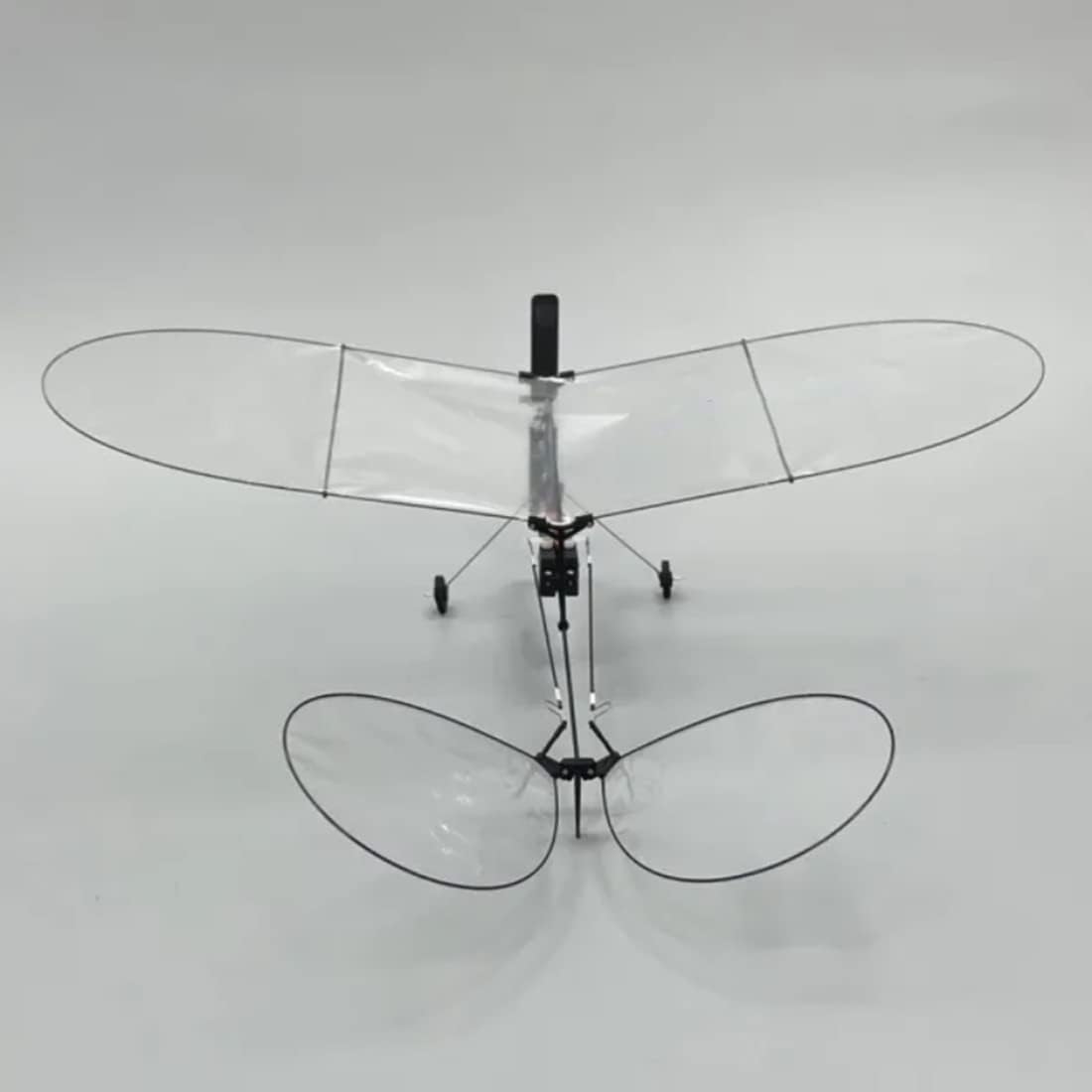
Figure 4: Top view of the aircraft, useful for inspecting wing and fuselage integrity.
7. Troubleshooting
This section addresses common issues you might encounter with your MinimumRC Butterfly V1.
| Problem | Possible Cause | Solution |
|---|---|---|
| Aircraft does not respond to controls. | Battery low or disconnected; remote controller not paired; damaged receiver/ESC. | Charge battery; ensure battery is connected; re-pair remote controller; inspect and replace damaged components. |
| Motor not spinning or weak. | Low battery; motor/ESC connection issue; damaged motor. | Charge battery; check connections; replace motor if damaged. |
| Aircraft flies erratically or crashes easily. | Improper balance (CG); damaged control surfaces; strong wind conditions. | Adjust battery position for correct Center of Gravity (CG); inspect and repair control surfaces; fly in calm conditions. |
| Short flight time. | Battery not fully charged; aging battery; motor inefficiency. | Ensure full charge; consider replacing battery; check motor for smooth operation. |

Figure 5: Rear angled view, useful for checking tail assembly and propeller.
8. Warranty and Customer Support
MakerTopia is committed to providing high-quality products and excellent customer service. For any questions regarding assembly, operation, or troubleshooting that are not covered in this manual, please contact our customer support team.
For information on warranty coverage and claims, please refer to the documentation provided with your purchase or visit the official MakerTopia store on Amazon: MakerTopia Amazon Store.