
1. Product Overview
This document provides comprehensive instructions for the installation, operation, and maintenance of the HIRINTOL Common Rail Assembly. This component is an aftermarket part designed for direct replacement in Deutz TCD2013 L06 Diesel Engines.
Key Features and Benefits:
- Precision Engineering: All injectors are rigorously tested using OE equipment and specifications, ensuring optimal performance.
- Enhanced Efficiency: Manufactured with the latest engineering updates, often surpassing dealer channel products in quality and performance.
- Guaranteed Performance: Produced using original equipment tools and processes to ensure factory-level performance.
- Durability: Critical components are re-surfaced or replaced to extend product lifespan.
- Stable Fuel Delivery: Provides stable fuel pressure and flow, crucial for normal engine operation.
- Improved Combustion: Ensures precise fuel injection timing and quantity, enhancing combustion efficiency and power output.
- Fuel Economy: Achieves higher fuel pressure and precise control, leading to improved engine power and fuel efficiency.
What's in the Box:
- 1pc 0445226125 04903528 4903528 Common Rail Assembly
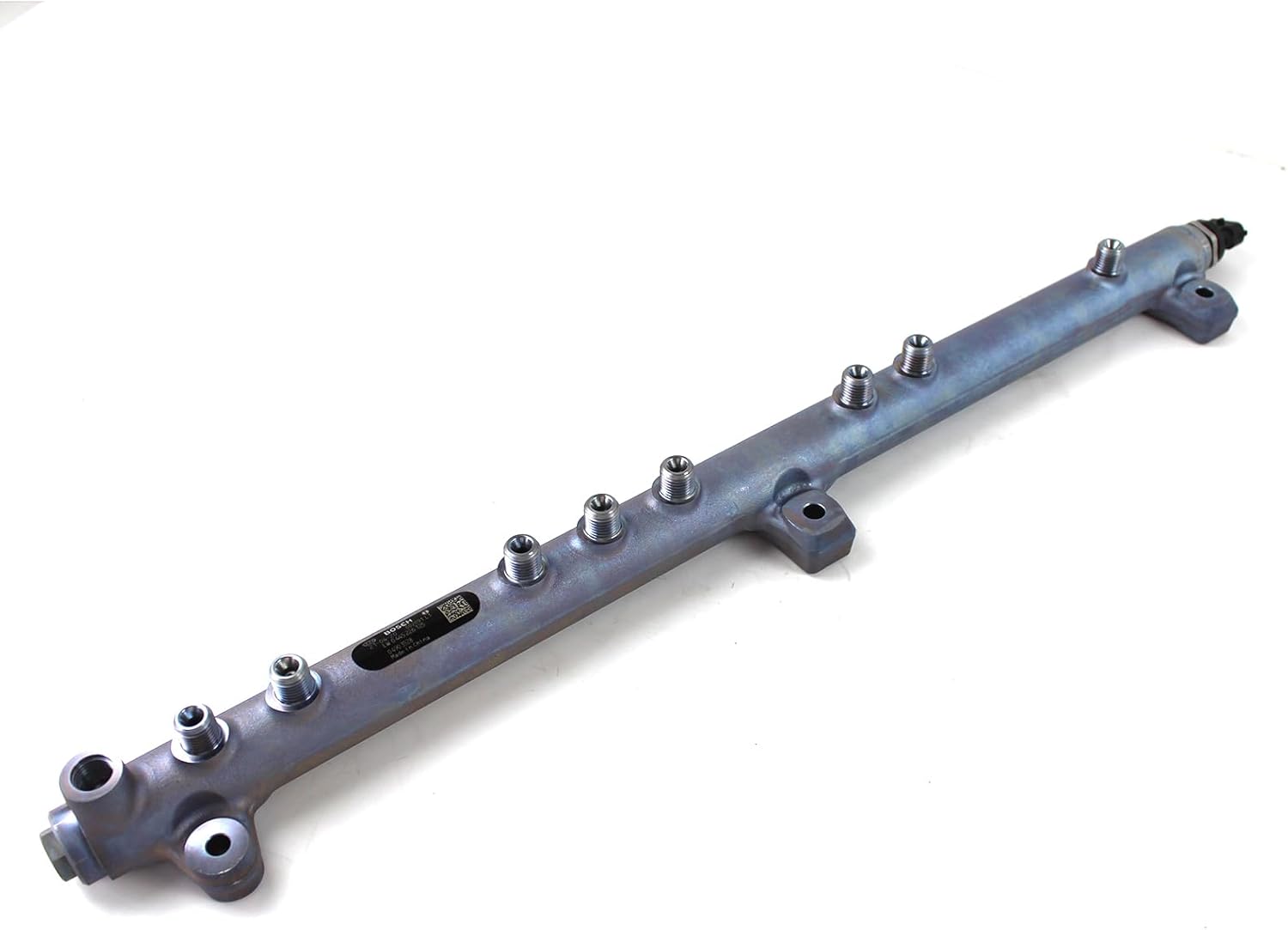
Figure 1: Main view of the HIRINTOL Common Rail Assembly.
2. Specifications
| Attribute | Value |
|---|---|
| Part Type | Common Rail Assembly |
| Reference Numbers | 0445226125, 04903528, 4903528 |
| Application | Deutz TCD2013 L06 Engine |
| Fuel Type | Diesel |
| Material | Metal |
| Item Condition | Aftermarket Part |
| Way of Use | Direct Replacement |
| Item Weight | 3 pounds |
| Package Dimensions | 1.97 x 1.57 x 1.18 inches |
3. Setup and Installation
Installation of the Common Rail Assembly requires specialized knowledge and tools. It is highly recommended that installation be performed by a certified professional mechanic to ensure proper function and safety.
General Installation Guidelines:
- Safety First: Ensure the engine is cool and disconnected from the battery before beginning any work. Wear appropriate personal protective equipment (PPE).
- Cleanliness: The fuel system is highly sensitive to contamination. Ensure the work area, tools, and all components are meticulously clean. Even small particles can cause significant damage.
- Component Removal: Carefully remove the old common rail assembly, noting the position and connection of all fuel lines, sensors, and mounting bolts.
- Inspection: Inspect surrounding components, such as fuel lines, connectors, and mounting points, for any signs of wear or damage. Replace as necessary.
- New Component Installation: Install the new HIRINTOL Common Rail Assembly. Ensure all connections are secure and properly seated.
- Torque Specifications: Tighten all bolts and fittings to the manufacturer's specified torque values. Overtightening or undertightening can lead to leaks or damage.
- Fuel Line Connection: Reconnect all fuel lines, ensuring they are free from kinks or obstructions.
- System Priming: After installation, the fuel system may need to be primed according to the engine manufacturer's guidelines to remove air.
- Leak Check: Before starting the engine, perform a thorough visual inspection for any signs of fuel leaks. After starting, monitor for leaks and unusual noises.

Figure 2: Angled view of the Common Rail Assembly, showing multiple injector ports.
4. Operation Principles
The common rail assembly is a critical component of a modern diesel engine's fuel injection system. It functions as a high-pressure accumulator that stores fuel at extremely high pressures, ready for injection into the engine cylinders.
How it Works:
- High-Pressure Generation: A high-pressure fuel pump continuously supplies fuel to the common rail, maintaining a constant, very high pressure (typically ranging from 300 to over 2000 bar).
- Fuel Distribution: The common rail distributes this high-pressure fuel to individual fuel injectors connected to each cylinder.
- Precise Injection Control: Unlike older systems, the common rail system separates pressure generation from injection. This allows the engine's Electronic Control Unit (ECU) to precisely control the timing, duration, and multiple injection events for each injector independently.
- Optimized Combustion: This precise control leads to finer fuel atomization, better air-fuel mixing, and more complete combustion, resulting in improved engine performance, reduced emissions, and enhanced fuel economy.

Figure 3: Top view of the Common Rail Assembly, highlighting the main body and connections.
5. Maintenance
The HIRINTOL Common Rail Assembly is designed for durability and long service life. As a critical component of the fuel system, its proper function relies on the overall health of the engine's fuel system. Regular maintenance of the engine and its fuel system components is essential.
General Maintenance Tips:
- Fuel Quality: Always use high-quality, clean diesel fuel. Contaminated fuel is a primary cause of fuel system component failure.
- Fuel Filter Replacement: Adhere strictly to the engine manufacturer's recommended intervals for fuel filter replacement. A clogged fuel filter can strain the fuel pump and lead to insufficient fuel supply to the common rail.
- System Cleanliness: When performing any work on the fuel system, ensure extreme cleanliness to prevent the ingress of dirt or debris.
- Regular Inspections: Periodically inspect fuel lines, connections, and the common rail assembly itself for any signs of leaks, corrosion, or damage. Address any issues promptly.
- Professional Servicing: For complex fuel system diagnostics or repairs, always consult a qualified diesel mechanic.
6. Troubleshooting
If you experience issues with your engine's fuel system after installing the common rail assembly, consider the following common troubleshooting steps. Note that complex fuel system issues often require professional diagnostic equipment.
Common Symptoms and Potential Causes:
- Engine Cranks but Won't Start:
- Insufficient fuel pressure (check fuel pump, fuel filter).
- Air in the fuel system (needs priming).
- Faulty fuel pressure sensor or regulator.
- Loss of Engine Power / Poor Acceleration:
- Restricted fuel flow (clogged fuel filter).
- Low fuel pressure.
- Issues with individual fuel injectors (not directly related to the common rail itself, but part of the system).
- Rough Idling / Misfires:
- Inconsistent fuel pressure.
- Air in the fuel lines.
- Fuel Leaks:
- Loose or improperly torqued fittings/bolts.
- Damaged fuel lines or seals.
- Cracked common rail (rare, but possible).
- Diagnostic Trouble Codes (DTCs):
- If the engine control unit (ECU) illuminates the check engine light, retrieve the diagnostic trouble codes using an OBD-II scanner. These codes can point to specific fuel system issues.
If troubleshooting steps do not resolve the issue, or if you are unsure about the diagnosis, it is strongly advised to seek assistance from a qualified diesel engine technician.

Figure 4: Close-up view of the electrical connector on the Common Rail Assembly.
7. Warranty and Support
Warranty Information:
This HIRINTOL Common Rail Assembly comes with a 6-month warranty period. During this period, if any problems arise due to manufacturing defects or material failures, repair or replacement service will be provided.
The warranty covers the product itself and does not extend to labor costs, incidental damages, or damages caused by improper installation, misuse, neglect, or unauthorized modifications.
Customer Support:
For any questions regarding the product, installation, or warranty claims, please contact your supplier or the HIRINTOL customer service team. When contacting support, please have your product's part numbers (0445226125, 04903528, 4903528) and purchase information readily available.
We are committed to providing a good buying experience and reliable after-sales service.