
Gevi ECM-8503UL
Gevi Espresso Machine 20 Bar User Manual
Model: ECM-8503UL
Brand: Gevi
Introduction
This user manual provides comprehensive instructions for the safe and efficient operation of your Gevi 20 Bar Espresso Machine. Designed for home use, this semi-automatic espresso maker allows you to brew rich espresso and create perfectly frothed milk for a variety of coffee beverages.
Key Features:
- 20-Bar Pressure System: Extracts rich flavors and oils for authentic espresso.
- NTC Temperature Control: Ensures balanced coffee flavor and stable milk froth.
- Powerful Milk Frother: Equipped with a steam wand for cappuccinos, lattes, and flat whites.
- Compact Design: Fits easily in any kitchen.
- Easy to Clean: Detachable water tank and drip tray for hassle-free maintenance.
Setup
1. Unboxing and Initial Preparation
Carefully remove all components from the packaging. Ensure all accessories are present: Espresso Machine, Portafilter, 1-Cup Single Wall Filter, 2-Cup Single Wall Filter, Spoon & Tamper, User Manual, and Stainless Steel Milk Frothing Pitcher.
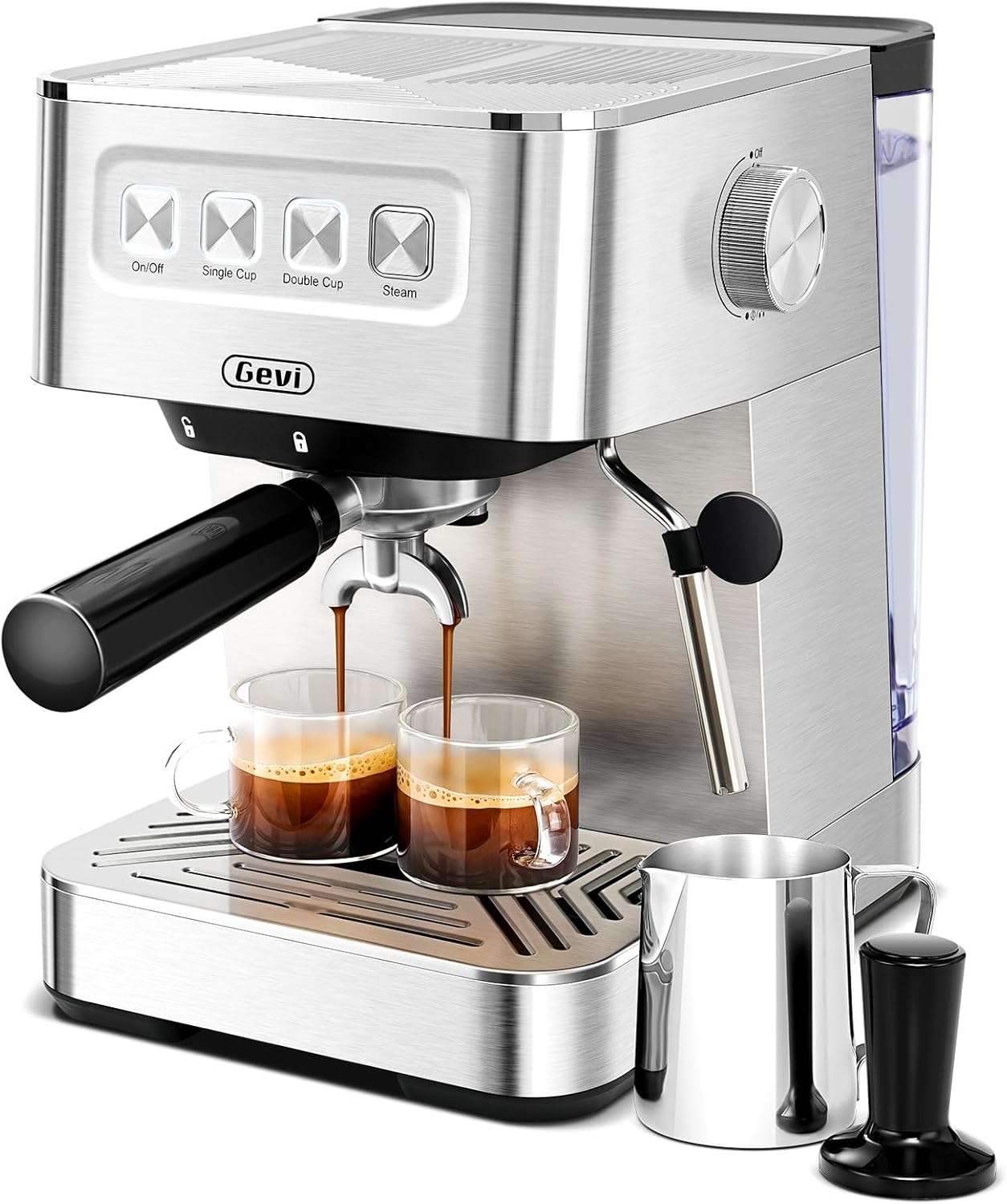
Figure 1: Gevi Espresso Machine with all included accessories.
Initial Cleaning:
- Remove the water tank from the back of the machine. Remove the red seal from the bottom of the tank.
- Remove the drip tray.
- Rinse all accessories (portafilter, filters, spoon, tamper, milk pitcher) and the drip tray with clean water. Allow them to air dry completely before reassembling.
- Reinsert the drip tray and water tank, ensuring it clicks into position.
- Fill the water tank with clean drinking water, ensuring it is above the MIN line and below the MAX line.
Video 1: Unboxing and First Use of the Gevi 20 Bar Espresso Machine. This video demonstrates how to unpack the machine, remove protective seals, clean accessories, and prepare the water tank for initial use.
Operating Instructions
1. Basic Operation
The Gevi Espresso Machine features intuitive button controls for easy operation.

Figure 2: Control panel with On/Off, Single Cup, Double Cup, and Steam buttons.
Brewing Espresso:
- Ensure the machine is plugged in and the water tank is filled.
- Press the On/Off button. The lights will flash as the machine preheats. Once preheating is complete, the lights will stay solid.
- Add desired amount of fine coffee grounds to the portafilter (approx. 13g for single, 19g for double). Tamp evenly.
- Insert the portafilter into the brew head and lock it into place.
- Place your cup(s) under the portafilter.
- Press the Single Cup or Double Cup button to start brewing.
Video 2: Gevi 20 Bar Espresso Machine High Pressure with Steam Wand. This video showcases the machine's features, including the 20-bar pump, cup warmer, 58mm group head, and single/double shot options, demonstrating the brewing process.
2. Customizing Single Shot Volume
You can customize the volume of your single espresso shot.
- After plugging in the machine, press the On/Off button. Wait until the machine finishes preheating and enters standby mode (lights stay solid).
- Place a cup under the group head.
- Press and hold the Single Cup button for about 3 seconds. The light on the button will start flashing, and coffee will begin to flow.
- Release the button when the desired amount of espresso has been dispensed. The machine will save this custom volume.
Video 3: Customized Settings (Single Cup) - 20 Bar Espresso Machine. This video demonstrates how to program the single shot volume to your preference.
Resetting Single Shot Volume to Factory Default:
- With the machine in standby mode, press and hold both the On/Off and Single Cup buttons simultaneously for about 3 seconds. The volume will be reset to the factory default.
3. Milk Frothing
The integrated steam wand allows you to create creamy milk froth for various beverages.
- From standby mode, press the Steam button to start preheating the steam wand.
- Pour cold milk into the frothing pitcher, ensuring not to fill past the spout level.
- Swing the steam wand over the drip tray and turn the steam knob to release any residual water until you see steady steam (approx. 5-10 seconds). Then turn the knob back to the off position.
- Insert the pitcher under the steam wand, ensuring the milk covers the tip by about 1 cm with the pitcher tilted around 15 degrees. Hold the top and base of the pitcher with your left hand.
- Turn the steam knob to the steam position with your right hand to begin frothing. Keep the steam tip just below the surface of the milk.
- When the milk reaches 60-65°C (or the pitcher feels too hot to touch for more than 3 seconds), your froth is ready. Return the steam knob to the off position.
- Wipe the steam wand and tip with a clean, damp cloth immediately after use.
- Turn the steam knob to the steam position again and let it run for about 5 seconds to purge any milk residue. Then return the knob to the off position.
Video 4: Espresso Machine with Steam Milk Frother. This video guides you through the milk frothing process using the integrated steam wand.
Maintenance
1. Cleaning
Regular cleaning ensures optimal performance and longevity of your espresso machine.
- Drip Tray: Empty and rinse the drip tray regularly.
- Portafilter & Filters: After each use, remove coffee grounds and rinse the portafilter and filter baskets under running water.
- Steam Wand: Always wipe the steam wand immediately after frothing to prevent milk residue from drying. Use the purge function (as described in Milk Frothing section) to clear any internal residue.
- Exterior: Wipe the exterior of the machine with a damp cloth. Do not use abrasive cleaners or scouring pads.
2. Descaling
Descaling is crucial to remove mineral buildup and maintain machine efficiency. It is recommended to descale every 2-3 months, or more frequently if you have hard water.
- Prepare the descaling solution by mixing citric acid descaling powder with water according to the descaler's instructions. Pour the solution into the water tank up to the MAX line.
- Place a container (capacity > 900ml) under the group head.
- While in standby mode, press and hold both the Single Cup and Double Cup buttons for more than 4 seconds to start the descaling cycle.
- The group head will begin dispensing the solution. Once the water flow stops, move the container under the steam wand.
- Press the Steam button, then turn the steam knob to the hot water position. Allow hot water to flow until the tank is empty.
- Turn the steam knob back to the off position. The machine will heat up again and start the second round.
- Refill the tank with descaling solution up to the MAX line. Place the container under the group head.
- Press the Double Cup button. The group head will flush out clean water. Once complete, move the container under the steam wand.
- Press the Steam button, then turn the steam knob to the hot water position. Allow hot water to flow until the tank is empty.
- Turn the steam knob back to the off position.
- Remove the water tank, pour out any remaining descaling solution, and rinse the tank thoroughly. Reattach the tank and refill with clean drinking water.
- Place a container under both the group head and steam wand. Press the Double Cup button to flush out clean water from the group head.
- Press the Steam button, then turn the steam knob to the hot water position. Allow hot water to flow from the steam wand until the tank is empty.
- Turn the steam knob back to the off position.
- Wipe the exterior of the machine with a damp cloth.
Video 5: How to Descale - 20 Bar Espresso Machine. This video provides a step-by-step guide on how to descale your espresso machine for optimal performance.
Troubleshooting
Refer to this section for common issues and their solutions.
1. No Steam from Steam Wand
- Check for Clogs: The steam nozzle might be clogged with milk residue or limescale. Remove the steam nozzle, soak it in heated descaling solution for 30 minutes, and use a sharp metal tool to clear any blocked holes. Wipe off residue with a damp cloth and reattach.
- Preheating: Ensure the machine has fully preheated. A solid indicator light means it's ready; a slow flashing light means it's still heating.
- Steam Knob: Turn the steam knob to the steam position to initiate steam flow.
Video 6: How to Fix No Steam from Your Espresso Machine. This video provides solutions for when your espresso machine is not producing steam.
2. Low Coffee Temperature
- Coffee Grounds Temperature: Ensure coffee grounds are at room temperature. Take chilled grounds out in advance.
- Preheating Portafilter: Insert the portafilter (without coffee grounds) into the brew head and press the Double Cup button to preheat it with hot water. Place your cup under the portafilter to warm it up simultaneously.
Video 7: How to Troubleshoot Low Coffee Temperature. This video offers solutions if your espresso machine is producing coffee at a low temperature.
3. No Crema on Espresso
- Coffee Grounds Fineness: Ensure coffee grounds are fine and uniform (sandy texture). Coarse or too powdery grounds can affect crema.
- Coffee Quantity: Use appropriate coffee quantity (approx. 13g for single, 19g for double).
- Tamping Pressure: Tamp the grounds firmly and evenly (10-15 kg pressure) to create a flat, level surface. Avoid tilting.
Video 8: How to Fix No Crema on Your Espresso. This video provides troubleshooting steps if your espresso lacks crema.
Specifications
| Feature | Detail |
|---|---|
| Brand | Gevi |
| Model Name | ECM-8503UL |
| Color | Silver |
| Product Dimensions | 10.6"D x 8.7"W x 11.7"H |
| Special Feature | Removable Tank, Milk Frother |
| Coffee Maker Type | Espresso Machine |
| Filter Type | Reusable |
| Specific Uses For Product | Espresso, Americano, Mocha, Latte, Cappuccino |
| Exterior Finish | Stainless Steel |
| Operation Mode | Semi-Automatic |
| Voltage | 120 Volts |
| Item Weight | 9.25 pounds |
| Country of Origin | China |
Warranty and Support
Gevi values your satisfaction. All Gevi products bought through official channels come with a 12-month warranty and lifetime technical support.
For any issues with your Gevi espresso machine, please contact Gevi Official customer support.
Ask a question about this manual
Ask about setup, troubleshooting, compatibility, parts, safety, or missing instructions. Manuals+ will review the question and use this page’s manual context to help answer it.