
LVYUAN CSSB-400W
LVYUAN 400W Portable Solar Panel
User Manual
1. Introduction
Thank you for choosing the LVYUAN 400W Portable Solar Panel. This foldable solar panel is designed to provide efficient and reliable power for your outdoor adventures, camping trips, RVs, and emergency power needs. Featuring high-efficiency monocrystalline silicon cells, it offers superior energy conversion and portability. This manual provides essential information on setting up, operating, maintaining, and troubleshooting your solar panel to ensure optimal performance and longevity.

Figure 1: LVYUAN 400W Portable Solar Panel and included accessories.
2. Product Features
- High Conversion Efficiency: Made of high-quality monocrystalline silicon material, allowing for a conversion efficiency of up to 22.5%.
- Wide Compatibility: Compatible with most portable power stations on the market, including various connector sizes (MC4 to DC5525/DC7909/DC5521/XT60).
- Lightweight and Portable: Features 8 foldable panels with a folded size of 23.62 x 20.67 x 2.36 inches and a weight of 21.49 lbs, making it easy to carry.
- Durable and Weatherproof: IP67 rated for protection against scratches, dust, and water splashes, suitable for various outdoor conditions.
- Versatile Mounting: Includes 10 buckles for hanging on tents or RVs, ideal for mountaineering, camping, road travel, and hiking.

Figure 2: Folded and unfolded dimensions of the solar panel, highlighting its compact and portable design.
3. What's Included
The LVYUAN 400W Portable Solar Panel package includes the following components:
- 1 x 400W Portable Solar Panel
- 1 x 2m (78.74 inch) cable with MC4 connector
- 1 x MC4 to DC5521/DC5525/DC7909/XT60 adapter cable
- 10 x Buckles
- 1 x User Manual (this document)

Figure 3: Visual representation of the included accessories and the folded solar panel.
4. Setup Instructions
Follow these steps to set up your LVYUAN 400W Portable Solar Panel:
- Unfold the Solar Panel: Carefully unfold the solar panel completely and lay it flat in an area with direct sunlight. Ensure no shadows are cast on the panel for optimal performance.
- Positioning: Adjust the angle of the solar panel towards the sun to maximize solar exposure. The integrated kickstands (if applicable) can help achieve the best angle.
- Connect to Power Station (Direct Charging):
- Connect the MC4 connectors from the solar panel to the MC4 adapter cable.
- Select the appropriate DC connector (DC5521, DC5525, DC7909, or XT60) from the adapter cable that matches your portable power station's input port.
- Plug the adapter cable into your power station's input port. The power station should begin charging.
- Connect to Battery with MPPT Controller (Indirect Charging):
- Connect the MC4 connectors from the solar panel to the MPPT solar charge controller's solar input terminals.
- Connect the MPPT controller's battery output terminals to your battery. Ensure correct polarity (positive to positive, negative to negative).
- If using an inverter, connect the inverter to the battery terminals.
- Secure the Panel: Use the included buckles to secure the solar panel to a stable structure like a tent, RV, or ground stakes to prevent it from being moved by wind.
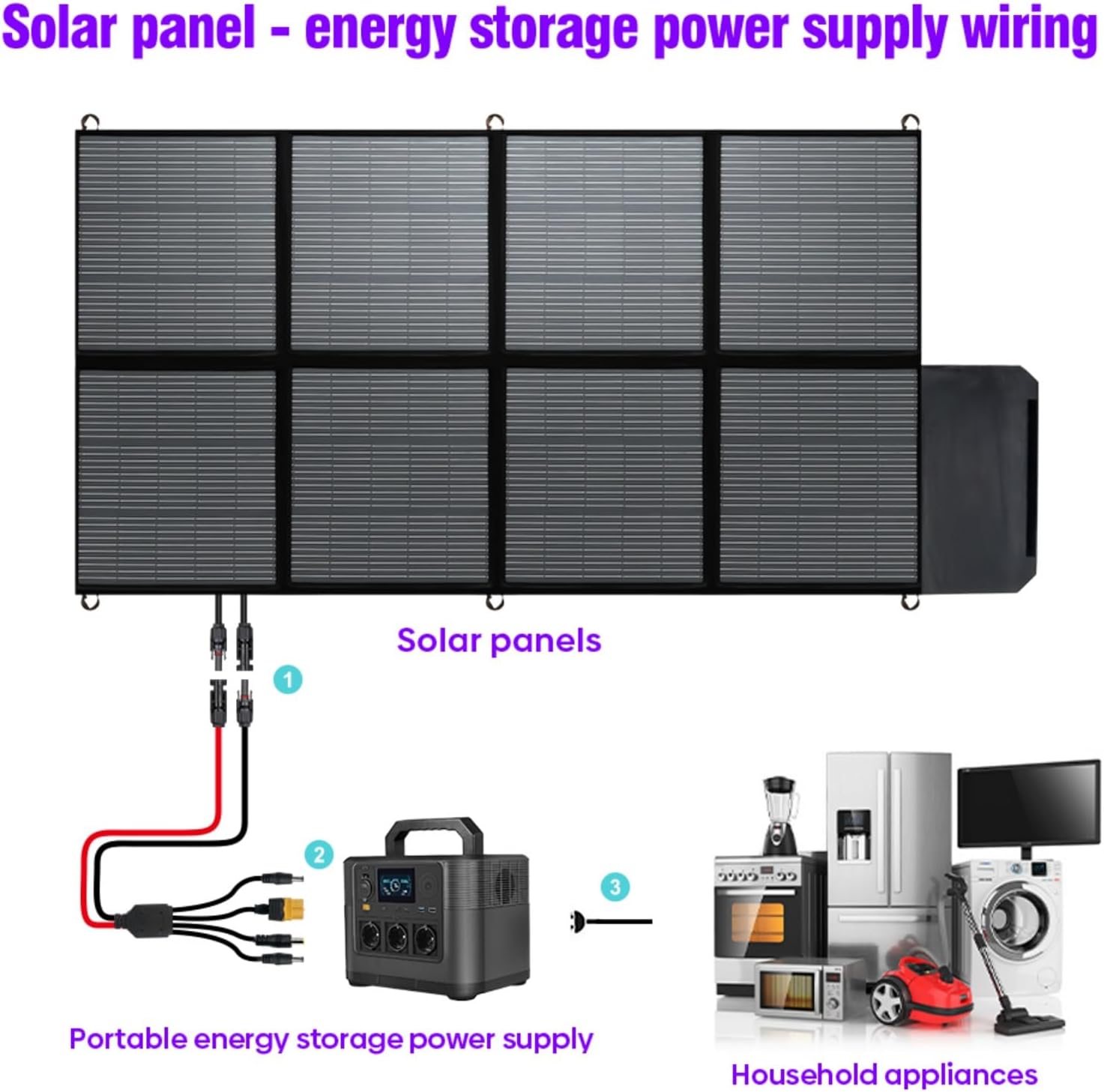
Figure 4: Wiring diagram for connecting the solar panel to a portable energy storage power supply.

Figure 5: Wiring diagram for connecting the solar panel to an MPPT controller, battery, and inverter system.
Setup and Operation Video Guide
Video 1: Detailed guide on the operation procedure of the solar panel, including setup and connection steps.
5. Operating Instructions
To ensure efficient power generation from your solar panel:
- Optimal Sunlight Exposure: Always position the solar panel in direct sunlight. Avoid shaded areas, as even partial shading can significantly reduce power output.
- Angle Adjustment: For best results, adjust the panel's angle to be perpendicular to the sun's rays. This angle changes throughout the day and with seasons.
- Monitoring Output: If your power station or MPPT controller has a display, monitor the input wattage to confirm the panel is generating power effectively.
- Compatibility: The LVYUAN 400W solar panel is designed to be highly compatible with various portable power stations and battery systems, making it a versatile power source for different applications.

Figure 6: The solar panel in use, recharging a power station to power devices during outdoor activities.

Figure 7: Examples of diverse environments where the LVYUAN solar panel can be effectively utilized.
6. Specifications
Detailed technical specifications for the LVYUAN 400W Portable Solar Panel (Model: CSSB-400W):
| Specification | Value |
|---|---|
| Model | CSSB-400W |
| Rated Maximum Power (Pmax) | 400W |
| Voltage at Pmax (VMP) | 35V |
| Current at Pmax (IMP) | 11.43A |
| Open-Circuit Voltage (VOC) | 41.3V |
| Short-Circuit Current (ISC) | 12.57A |
| Product Dimensions (Unfolded) | 94.88"L x 46.85"W x 0.4"H (2410mm x 1190mm x 10mm) |
| Folded Dimensions | 23.62"L x 20.67"W x 2.36"H (600mm x 525mm x 60mm) |
| Net Weight | 21.49 lbs (9.75 kg) |
| Material | Monocrystalline Silicon, ETFE |
| Efficiency | Up to 22.5% |
| Connector Type | MC4 |
| Included Components | Manual, MC4 to DC5521/DC5525/DC7909/XT60 cable, 10 buckles |
| IP Rating | IP67 |

Figure 8: Official product specifications table for the LVYUAN 400W solar panel.

Figure 9: Unfolded dimensions of the solar panel in millimeters.
Figure 10: Comparison of key specifications between the 300W and 400W models.
7. Maintenance
Proper maintenance ensures the longevity and efficiency of your solar panel:
- Cleaning: Regularly wipe the surface of the solar panel with a soft, damp cloth to remove dust, dirt, and debris. Avoid abrasive cleaners or harsh chemicals that could damage the panel surface.
- Inspection: Periodically inspect the panel for any physical damage, such as cracks, dents, or frayed cables. Check all connections to ensure they are secure and free from corrosion.
- Storage: When not in use for extended periods, fold the solar panel and store it in a cool, dry place away from direct sunlight and extreme temperatures.
- Water Resistance: The panel has an IP67 rating, meaning it is protected against dust ingress and temporary immersion in water (up to 1 meter for 30 minutes). However, avoid prolonged submersion and ensure connectors are dry before use.
Figure 11: Visual representation of the IP67 protection features, including waterproof connectors.
8. Troubleshooting
If you encounter issues with your solar panel, consider the following common troubleshooting steps:
- No Power Output:
- Ensure the panel is in direct sunlight and not shaded.
- Check all cable connections for proper seating and polarity.
- Verify that the power station or MPPT controller is turned on and configured correctly.
- Inspect cables for damage or breaks.
- Low Power Output:
- Clean the surface of the solar panel to remove any dirt or dust accumulation.
- Adjust the panel's angle to face the sun directly.
- Check for partial shading from trees, buildings, or other objects.
- Consider environmental factors such as cloud cover or haze, which can reduce efficiency.
- Connection Issues:
- Ensure you are using the correct adapter for your power station.
- Check for bent pins or debris in the connectors.
- Make sure the connectors are fully engaged and locked.
If problems persist after following these steps, please contact customer support.
9. Warranty and Support
The LVYUAN 400W Portable Solar Panel comes with an 18-month warranty from the date of purchase. This warranty covers manufacturing defects and issues arising from normal use.
For technical support, warranty claims, or any questions regarding your product, please refer to the contact information provided on the product packaging or the official LVYUAN website. Our customer service team is available to assist you.
Ask a question about this manual
Ask about setup, troubleshooting, compatibility, parts, safety, or missing instructions. Manuals+ will review the question and use this page’s manual context to help answer it.