
1. Introduction
This manual provides detailed instructions for the proper installation, operation, and maintenance of your KOOZ HP120E Dirt Bike Training Wheels. Please read this manual thoroughly before installation and use to ensure safe and correct application. These training wheels are designed to provide added stability for new riders learning to operate the KOOZ HP120E dirt bike.
2. Package Contents
Verify that all components listed below are included in your package:
- Training Wheels (2 units)
- Mounting Bar (1 unit)
- Mounting Brackets (2 units)
- Hardware Kit (bolts, nuts, washers, cotter pins)

Figure 2.1: Complete accessories included in the training wheels kit.
3. Features
- Compatibility: Specifically designed for KOOZ HP120E dirt bikes and motorcycles.
- Easy Installation: Includes all necessary hardware for a straightforward setup.
- Durable Construction: Manufactured from high-quality materials for long-lasting performance.
- Adjustable Height: Allows customization to accommodate various bike sizes and rider skill levels.
- Improved Stability: Provides essential support to help beginners develop riding skills and confidence.
4. Safety Information
WARNING: Always ensure all bolts and nuts are securely tightened before each use. Loose components can lead to loss of control and injury.
- Adult supervision is required at all times when a child is using the dirt bike with training wheels.
- Ensure the rider wears appropriate safety gear, including a helmet, gloves, and protective clothing.
- Do not use training wheels on uneven terrain, steep inclines, or public roads.
- Regularly inspect the training wheels for wear, damage, or loose parts. Replace any damaged components immediately.
- These training wheels are intended for learning purposes only. Remove them once the rider has developed sufficient balance and control.
5. Setup and Installation
Follow these steps to properly install the training wheels on your KOOZ HP120E dirt bike:
- Prepare the Mounting Bar:
Attach the two mounting brackets to the main mounting bar using the provided bolts and nuts. Ensure they are snug but not fully tightened, as adjustments may be needed later.

Figure 5.1: Assembled training wheels bar with brackets.
- Attach Wheels to the Bar:
Insert a cotter pin into the hole at one end of the mounting bar. Slide a washer onto the bar, then place one of the training wheels onto the bar. Secure it with another washer and a cotter pin. Repeat for the other side.
- Mount to the Dirt Bike:
Position the assembled training wheel unit under the rear footpegs of your KOOZ HP120E dirt bike. Align the holes on the mounting brackets with the footpeg mounting points on the bike frame. Use the appropriate bolts and nuts from the hardware kit to secure the brackets to the bike frame. Ensure the footpegs are reattached securely.
Video 5.1: General installation guide for dirt bike training wheels. While this video demonstrates installation on a similar model, the principles apply to the KOOZ HP120E.
- Adjust Height and Tighten:
Adjust the height of the training wheels by sliding the mounting brackets along the main bar. For initial learning, ensure both training wheels touch the ground simultaneously with the dirt bike's rear wheel. As the rider gains confidence, you can slightly raise the training wheels to encourage balancing. Once the desired height is set, fully tighten all bolts and nuts on the mounting brackets and the wheels.
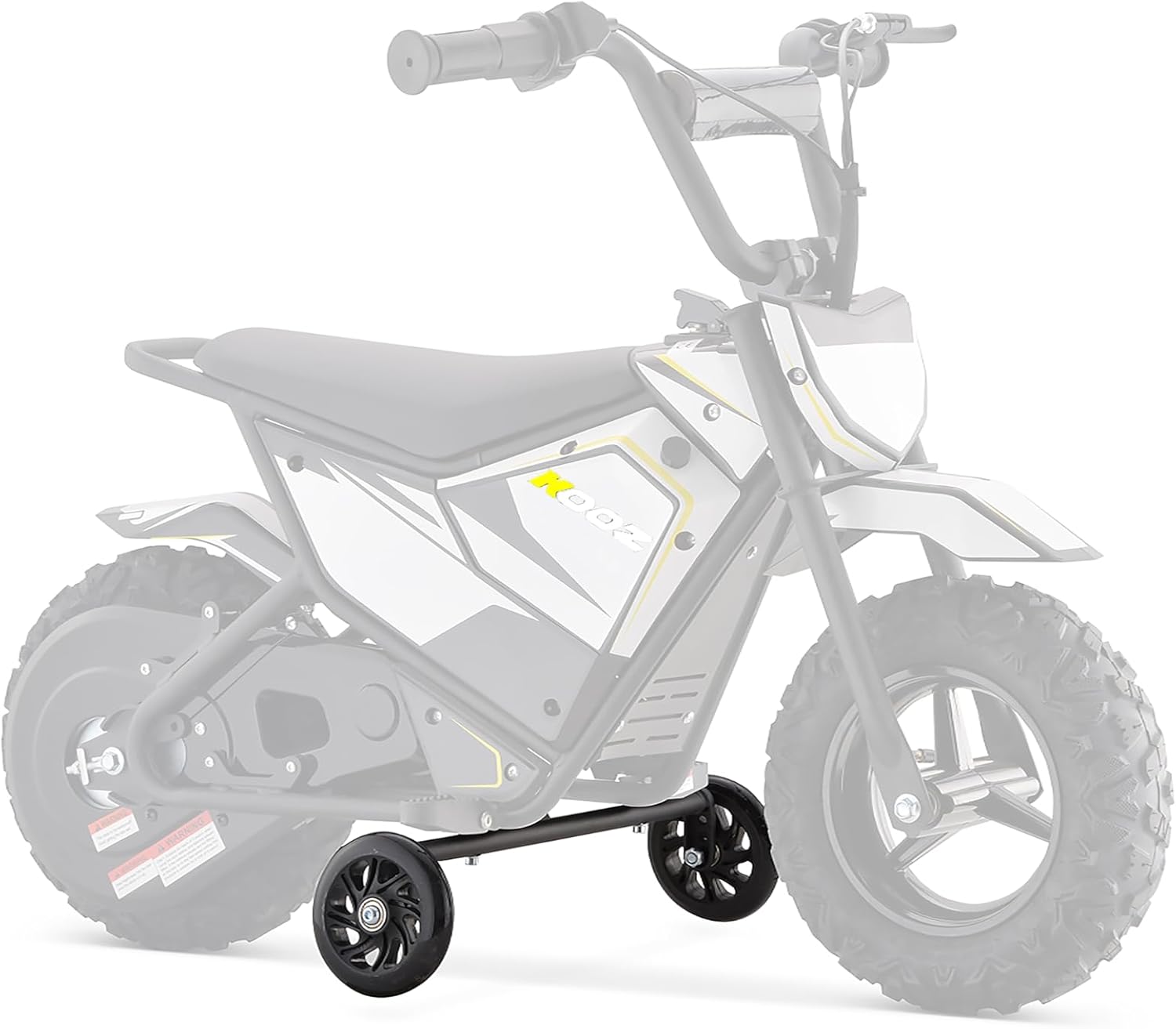
Figure 5.2: KOOZ HP120E Dirt Bike with training wheels properly installed.
6. Operating Instructions
The training wheels provide stability, allowing new riders to focus on throttle control, braking, and steering without immediate concern for balance. Encourage the rider to gradually lean into turns and practice gentle maneuvers. As confidence grows, adjust the training wheel height to promote independent balancing.

Figure 6.1: A young rider utilizing training wheels for stability on a dirt bike.
7. Maintenance
- Regular Inspection: Before each ride, check all bolts, nuts, and cotter pins to ensure they are tight and secure.
- Wheel Condition: Inspect the training wheels for any signs of wear, cracks, or damage. Replace wheels if they show significant wear or are compromised.
- Cleanliness: Keep the training wheels and mounting hardware clean from dirt and debris to prevent corrosion and ensure smooth operation.
- Storage: Store the training wheels in a dry place when not in use to prolong their lifespan.
8. Troubleshooting
- Problem: Training wheels feel wobbly or loose.
Solution: Check all mounting bolts and nuts. Ensure they are tightened to the recommended torque. Verify cotter pins are correctly inserted and bent. - Problem: Dirt bike is difficult to turn with training wheels.
Solution: Ensure the training wheels are not set too low, preventing the bike from leaning naturally. Adjust the height slightly upwards to allow for some lean. - Problem: Excessive noise from training wheels.
Solution: Inspect for loose components or debris caught in the wheel axles. Lubricate moving parts if necessary.
9. Specifications
| Brand | KOOZ |
| Model | HP120E (Training Wheels) |
| Item Weight | 4.5 Pounds |
| Wheel Size | 3.94 Inches |
| Color | Black |
| Material | High-quality durable materials (metal, rubber) |
| Vehicle Service Type | Dirt Bike, Motorcycle (KOOZ HP120E specific) |
10. Warranty and Support
For warranty information or technical support, please refer to the product packaging or contact KOOZ customer service directly. Keep your purchase receipt as proof of purchase for any warranty claims.