1. Introduction
This manual provides detailed instructions and important information for the proper installation, operation, and maintenance of the SXCCGMGQ 370-7280 3707280 Common Rail Fuel Injector. Designed for Caterpillar CAT Excavator models including 323F SA, 324E, 325F LCR, 323F LN, 329E LN, 324E L, 323F 320, 323F OEM, 320F L, 329E L, 324E LN, 329E, 320 GC, and 325F, this fuel injector is a critical component of your engine's fuel system. Adhering to these guidelines will ensure optimal performance and longevity of the product.
2. Product Features
- Part Name: Common Rail Fuel Injector
- Part Number: 370-7280 3707280
- Application: Specifically designed to fit Caterpillar CAT Excavator models: 323F SA, 324E, 325F LCR, 323F LN, 329E LN, 324E L, 323F 320, 323F OEM, 320F L, 329E L, 324E LN, 329E, 320 GC, 325F.
- Quality Assurance: Undergoes strict quality testing to ensure reliable product performance.
- Compatibility Check: Users are advised to confirm the part number against their original equipment before purchase to ensure proper fitment.
3. Specifications
| Specification | Detail |
|---|---|
| Manufacturer | SXCCGMGQ |
| Brand | SXCCGMGQ |
| Model | Fuel Injector |
| Item Weight | 1.32 pounds (0.6 Kilograms) |
| Package Dimensions | 9.65 x 4.92 x 2.36 inches |
| Item Model Number | 370-7280 3707280 |
| Exterior | Chrome |
| Manufacturer Part Number | SX370-7280 3707280 |
| OEM Part Number | 370-7280 |
| ASIN | B0DM65TXV8 |
| Date First Available | November 6, 2024 |
4. Product Overview
Visual representations of the Common Rail Fuel Injector from various angles.

Image 1: Main view of the SXCCGMGQ 370-7280 Common Rail Fuel Injector, showcasing its overall design and components.

Image 2: Angled view of the fuel injector, highlighting the top section with visible QR code and part markings.

Image 3: Side angled perspective of the fuel injector, showing the main body and connection points.

Image 4: Horizontal orientation of the fuel injector, providing a clear view of its length and various sections.
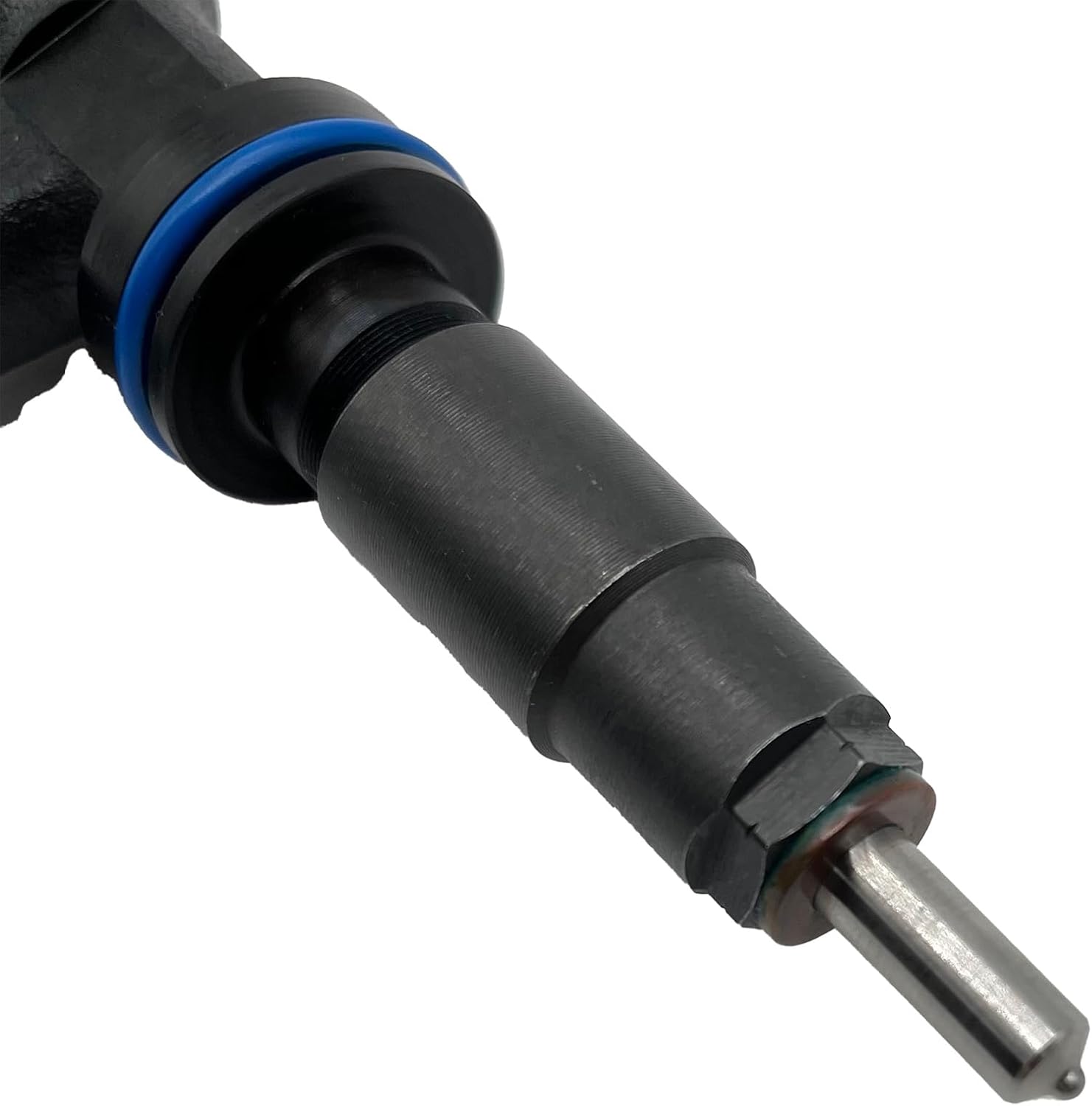
Image 5: Close-up view of the fuel injector's nozzle tip, showing the precision-engineered component responsible for fuel atomization.

Image 6: Top-down view of the fuel injector, emphasizing the central fuel inlet and overall symmetry.

Image 7: The fuel injector shown alongside its packaging box, indicating typical product presentation and quantity information.
Video 1: A brief demonstration showcasing the SXCCGMGQ 370-7280 Common Rail Fuel Injector, highlighting its physical attributes and design.
5. Installation and Setup
Proper installation is crucial for the correct functioning and longevity of the fuel injector. It is highly recommended that installation be performed by a qualified technician.
Safety Precautions:
- Always disconnect the battery before starting any work on the fuel system.
- Ensure the engine is cool to prevent burns.
- Relieve fuel system pressure before disconnecting fuel lines.
- Wear appropriate personal protective equipment (PPE), including gloves and eye protection.
- Work in a well-ventilated area and have a fire extinguisher readily available.
Installation Steps:
- Preparation: Clean the area around the old injector thoroughly to prevent contaminants from entering the fuel system.
- Removal: Carefully remove the old fuel injector, noting the position of all seals and retainers.
- Inspection: Inspect the injector bore and fuel rail for any debris or damage. Clean as necessary.
- New Injector Preparation: Ensure the new injector has all necessary O-rings and seals properly seated. Apply a thin layer of clean engine oil or appropriate lubricant to the O-rings.
- Installation: Insert the new injector into the bore, ensuring it seats correctly. Do not force the injector.
- Securing: Reinstall any retaining clips or bolts, tightening them to the manufacturer's specified torque settings.
- Connections: Reconnect fuel lines and electrical connectors. Ensure all connections are secure and free of leaks.
- System Prime: Prime the fuel system according to the vehicle manufacturer's instructions to remove any air.
- Leak Check: Start the engine and carefully check for any fuel leaks around the newly installed injector.
6. Operating Principles
The Common Rail Fuel Injector is a precision component responsible for delivering atomized fuel directly into the engine's combustion chamber under high pressure. It operates as part of the common rail direct injection (CRDI) system, which maintains constant high fuel pressure in a common rail that feeds all injectors. The engine's Electronic Control Unit (ECU) precisely controls the timing and duration of each injector's opening, optimizing fuel delivery for efficient combustion, reduced emissions, and improved engine performance.
While the injector itself does not have user-operable controls, its proper function relies on the integrity of the entire fuel system and the quality of the fuel used. Always use the recommended fuel type and ensure fuel filters are regularly maintained.
7. Maintenance
Regular maintenance of your vehicle's fuel system is essential to ensure the longevity and optimal performance of the fuel injector.
- Fuel Filter Replacement: Adhere to the vehicle manufacturer's recommended intervals for fuel filter replacement. A clogged fuel filter can restrict fuel flow and put undue strain on the fuel pump and injectors.
- Fuel Quality: Always use high-quality, clean diesel fuel. Contaminants and water in the fuel can cause significant damage to the precision components within the injector.
- System Checks: Periodically inspect fuel lines and connections for any signs of leaks or damage.
- Professional Inspection: Consider professional fuel system inspections during routine vehicle servicing to identify potential issues early.
8. Troubleshooting
If you experience issues that you suspect are related to the fuel injector, consider the following common symptoms and potential causes. Note that diagnosing fuel system issues often requires specialized tools and expertise.
Common Symptoms:
- Engine Misfires or Rough Idling: Can indicate an injector that is not delivering fuel consistently.
- Reduced Engine Performance: Loss of power or poor acceleration.
- Increased Fuel Consumption: An injector that is leaking or spraying incorrectly can lead to inefficient fuel use.
- Excessive Exhaust Smoke: Black smoke can indicate unburnt fuel due to poor atomization.
- Check Engine Light: The ECU may detect an injector fault and illuminate the check engine light, often with a specific diagnostic trouble code (DTC).
- Fuel Odor: A strong fuel smell can indicate a leak from the injector or fuel lines.
Potential Causes:
- Clogged or dirty injector nozzle.
- Electrical fault in the injector solenoid or wiring.
- Worn or damaged internal components of the injector.
- Contaminated fuel.
- Incorrect fuel pressure from the fuel pump.
If you experience any of these symptoms, it is recommended to consult a professional mechanic for proper diagnosis and repair.
9. Warranty Information
This product is subject to the seller's return policy, which typically allows for returns or replacements within 30 days of purchase. For specific warranty details, including coverage, duration, and claim procedures, please refer to the documentation provided with your purchase or contact the seller directly. Keep your proof of purchase for any warranty claims.
10. Customer Support
For any questions, technical assistance, or support regarding your SXCCGMGQ 370-7280 3707280 Common Rail Fuel Injector, please contact the seller, WangJiao-Parts, through the platform where the purchase was made. They can provide further guidance and support for your product.


