
1. Important Safety Information
Operating a chainsaw can be hazardous. Always prioritize safety to prevent serious injury or death. Read and understand all safety warnings and instructions before operating this chainsaw.
- Personal Protective Equipment (PPE): Always wear appropriate PPE, including a safety helmet, eye protection (safety glasses or goggles), hearing protection, heavy-duty gloves, and safety boots. Consider wearing chainsaw protective trousers or chaps.
- Work Area: Ensure the work area is clear of other people, animals, and obstacles. Maintain a safe distance from others.
- Operator Condition: Never operate the chainsaw when fatigued, ill, or under the influence of alcohol, drugs, or medication that could impair judgment.
- Firm Grip: Always hold the chainsaw firmly with both hands, with your thumbs and fingers encircling the handles.
- Kickback Awareness: Be aware of chainsaw kickback, which can occur when the moving chain at the tip of the guide bar contacts an object, or when the wood closes in and pinches the saw chain in the cut. Avoid cutting with the tip of the guide bar.
- Fueling Safety: Fuel the chainsaw in a well-ventilated area, away from sparks or open flames. Do not smoke while fueling. Wipe up any spilled fuel immediately.
- Maintenance: Regularly inspect and maintain the chainsaw according to the instructions in this manual. A dull or improperly tensioned chain can increase the risk of accidents.
2. Product Overview
The GARWINNER 62cc Gas Chainsaw is designed for cutting wood in outdoor, garden, farm, and home use scenarios. It features a 2-stroke engine and a 20-inch guide bar.

Image 2.1: Front view of the GARWINNER 62cc Gas Chainsaw.
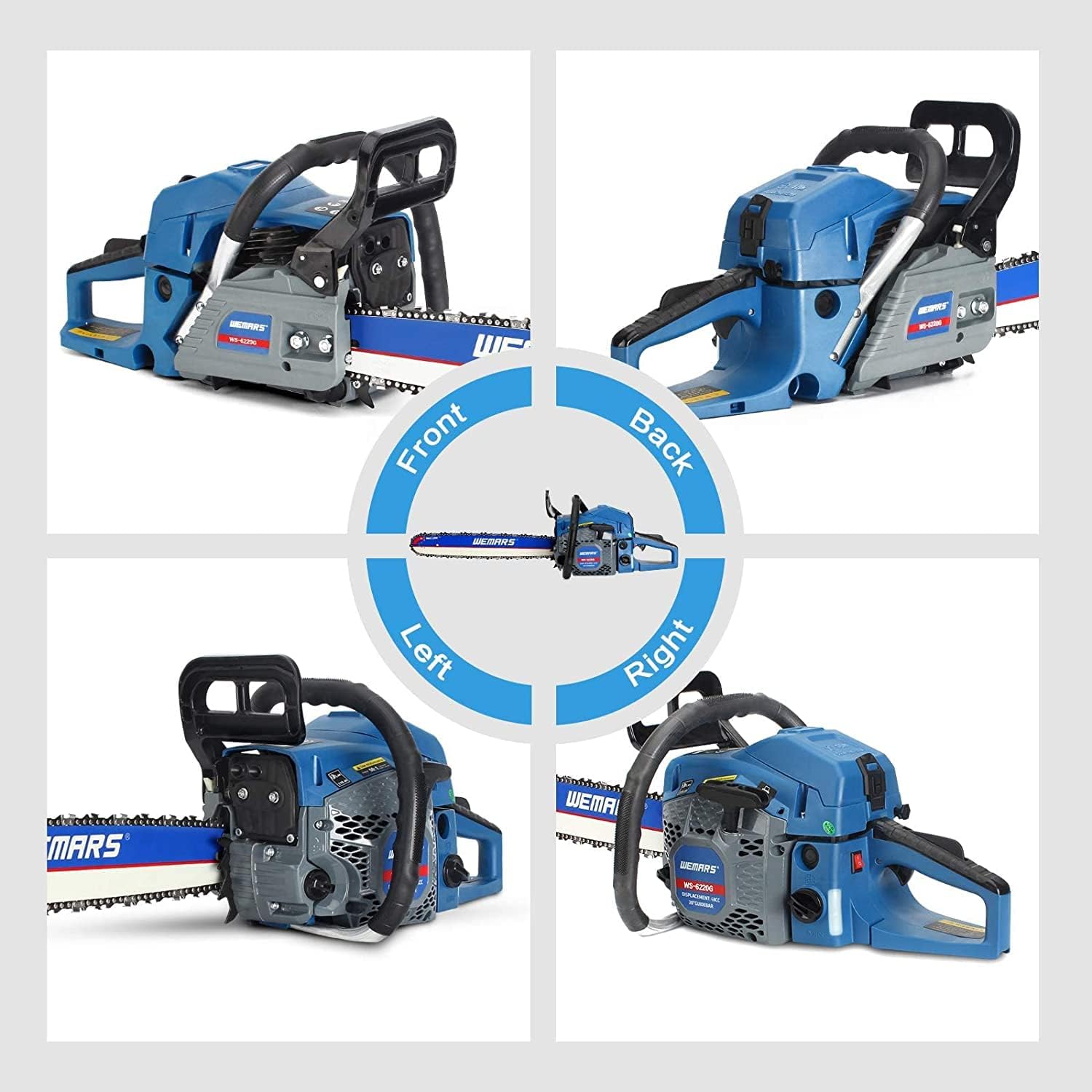
Image 2.2: Various angles of the GARWINNER 62cc Gas Chainsaw, highlighting its ergonomic design.

Image 2.3: Labeled diagram of the chainsaw components, including the chain brake, front handle, air filter cover, choke knob, switch button, trigger lockout, saw chain, guide bar, aluminum starter cover, throttle trigger, visible fuel tank, and chain oil tank.
3. Setup and Assembly
Proper assembly is crucial for safe and efficient operation.
3.1 Unpacking and Inspection
Carefully remove all components from the packaging. Inspect for any damage during shipping. Ensure all parts listed in the accessories show are present.

Image 3.1: The chainsaw and its accompanying accessories, including the instruction manual, tool kit, and fuel/oil mixing bottle.
3.2 Chain and Guide Bar Installation
Follow these steps to install the saw chain and guide bar:
- Open the side cover of the chainsaw.
- Check the saw blades, which are fixed with a cover on the clutch.
- Install the saw chain onto the guide bar, paying attention to the direction of the cutting teeth.
- Ensure the brake shoe moves to the side. Carefully align the chain with the grooves that create the tension of the chain part.
- Close the side cover and adjust the tightness of the chain. The correct tension allows the chain to be pulled up approximately 0.4-0.6 inches from the guide bar.
- Lock the side cover securely.
3.3 Fuel and Oil Preparation
This chainsaw uses a 2-stroke engine and requires a specific fuel-to-oil mixture. Refer to the manufacturer's specifications in the included manual for the exact mixing ratio (typically 25:1 or 40:1 gasoline to 2-stroke engine oil). Use fresh, unleaded gasoline and high-quality 2-stroke engine oil. Mix thoroughly in a separate, approved fuel container before adding to the chainsaw's fuel tank.
Fill the chain oil tank with appropriate bar and chain lubricant. The automatic lubricating system reduces friction and prolongs chain life.
4. Operating Instructions
Understand the controls and proper techniques before starting the chainsaw.
4.1 Starting the Engine
Follow the specific starting procedure outlined in your detailed manual. Generally, this involves:
- Engaging the chain brake.
- Setting the choke (for cold starts).
- Priming the carburetor (if equipped).
- Pulling the starter handle until the engine fires.
- Disengaging the choke and allowing the engine to warm up.
4.2 Cutting Techniques
The chainsaw's 62cc 2-stroke motor provides significant power for various cutting tasks. The ergonomic anti-vibration handles enhance comfort and control during operation. Always maintain a stable stance and clear surroundings.
For detailed cutting techniques (e.g., felling, limbing, bucking), consult professional guides or training. Always be aware of the wood's tension and potential for kickback.
Video 4.1: A user demonstrating the chainsaw's capability in clearing trails by cutting through a fallen log. This video illustrates the chainsaw in action for general wood cutting tasks.
Video 4.2: A user cutting a tree stump with the chainsaw. This video highlights the chainsaw's power and effectiveness for cutting large sections of wood.
5. Maintenance
Regular maintenance ensures optimal performance and extends the life of your chainsaw.
5.1 Air Filter Maintenance
The chainsaw is equipped with a filtering system that guarantees long air filter life and reduced fuel consumption. Regularly inspect and clean the air filter to prevent debris from entering the engine.
5.2 Chain and Guide Bar Maintenance
- Chain Sharpening: A sharp chain is essential for safe and efficient cutting. Sharpen the chain regularly or replace it when dull.
- Chain Tension: Periodically check and adjust chain tension. An improperly tensioned chain can derail or cause excessive wear.
- Guide Bar: Clean the guide bar groove and oil holes. Flip the guide bar periodically to ensure even wear.
5.3 Automatic Lubricating System
The automatic lubricating system reduces friction between the guide bar and the chain, prolonging their lifespan. Ensure the chain oil tank is always filled with appropriate bar and chain oil.
5.4 General Cleaning and Storage
After each use, clean the chainsaw thoroughly, removing sawdust, debris, and oil residue. Store the chainsaw in a dry, secure location, out of reach of children and unauthorized users. Empty the fuel tank if storing for extended periods.
6. Troubleshooting
This section addresses common issues you might encounter with your chainsaw.
- Engine Won't Start: Check fuel level, ensure correct fuel/oil mixture, verify spark plug condition, and confirm the choke is set correctly for starting.
- Chainsaw Loses Power or Stalls: This could indicate a dirty air filter, improper chain tension, a dull chain, or an issue with the fuel system.
- Chain Oiler Not Working: Ensure the chain oil tank is filled. Check for blockages in the oil delivery system or damage to the oil pump.
- Chain Not Cutting Effectively: The chain is likely dull and requires sharpening or replacement. Incorrect chain tension can also affect cutting performance.
For issues not covered here, or if problems persist, consult a qualified service technician.
7. Specifications
Key technical specifications for the GARWINNER 62cc Gas Chainsaw (Model 6220G):

Image 7.1: Visual representation of the chainsaw's dimensions: approximately 35.4 inches in length, 19.3 inches for the guide bar, and 11 inches in height.
| Specification | Detail |
|---|---|
| Brand | GARWINNER |
| Model | 6220G |
| Engine Displacement | 62cc |
| Bar Length | 20 inches |
| Horsepower | 800 Watts |
| Item Weight | 18.7 pounds (8.5 Kilograms) |
| Product Dimensions | 20.47 x 10 x 11.8 inches (52 x 25.4 x 30 cm) |
| Item Package Quantity | 1 |
| UPC | 810147641703 |
8. Warranty and Support
For information regarding product warranty, customer support, or to purchase replacement parts, please refer to the documentation included with your product or visit the official GARWINNER website. Specific warranty terms and contact details are typically provided by the manufacturer at the time of purchase.