
Introduction
Thank you for choosing the Bonsenkitchen VS4100 Vacuum Sealer Machine. This appliance is designed to preserve food freshness by removing air from specially designed bags and containers, extending the shelf life of your food up to six times longer than traditional storage methods. With its patented Globefish Technology, the VS4100 ensures a clear vacuum channel for effective air removal and a tight, even seal, eliminating concerns about weak vacuuming or sealing.
This manual provides detailed instructions for the safe and efficient operation, maintenance, and troubleshooting of your new vacuum sealer. Please read it thoroughly before first use and keep it for future reference.
Product Overview

Figure 1: Bonsenkitchen VS4100 Vacuum Sealer Machine and accessories.
This image displays the Bonsenkitchen VS4100 Vacuum Sealer Machine in black and silver, actively sealing a bag containing fresh meat. To the left, a stack of Bonsenkitchen vacuum sealer bags is visible, and to the right, two rolls of vacuum sealer material are shown, indicating a complete food preservation system.
The Bonsenkitchen VS4100 is a versatile vacuum sealing system designed for ease of use and high efficiency. Key features include:
- Multi-functional Operation: Offers Vac & Seal, Pulse Vac, Seal, Extended Seal, and Accessory modes to cater to various food types and preservation needs.
- User-Friendly Design: Features an easy-lock handle, built-in cutter, and bag storage for convenient, one-handed operation.
- High Efficiency: Equipped with four upgraded vacuum pumps for strong suction, capable of sealing numerous bags quickly.
- Patented Globefish Technology: Ensures optimal vacuuming and sealing by maintaining a clear vacuum channel and applying consistent pressure.
Setup
1. Unpacking
- Carefully remove the vacuum sealer and all accessories from the packaging.
- Check for any damage. If the appliance is damaged, do not use it and contact customer support.
- Remove all packing materials, stickers, and labels from the appliance.
2. Component Identification

Figure 2: User-Friendly Design and Included Accessories.
This image illustrates the key design elements of the Bonsenkitchen VS4100, including its portable handle, integrated bag cutter, and internal storage compartment for bag rolls. Below the main unit, a full starter kit is displayed, comprising an accessory hose, two bag rolls (8 in. x 20 ft. and 11 in. x 20 ft.), and various accessory connectors.
Familiarize yourself with the main components:
- Control Panel with function buttons (Vac & Seal, Pulse Vac, Seal, Extended Seal, Accessory)
- Vacuum Channel
- Sealing Strip
- Easy-Lock Handle
- Built-in Cutter and Bag Storage (for rolls)
- Accessory Port
3. Initial Preparation
- Place the vacuum sealer on a flat, stable, and dry surface.
- Ensure the power cord is easily accessible and plug the appliance into a standard electrical outlet.
- For first-time use, it is recommended to perform a test seal with an empty bag to ensure proper function.
Operating Instructions
1. Basic Vacuum & Seal Operation
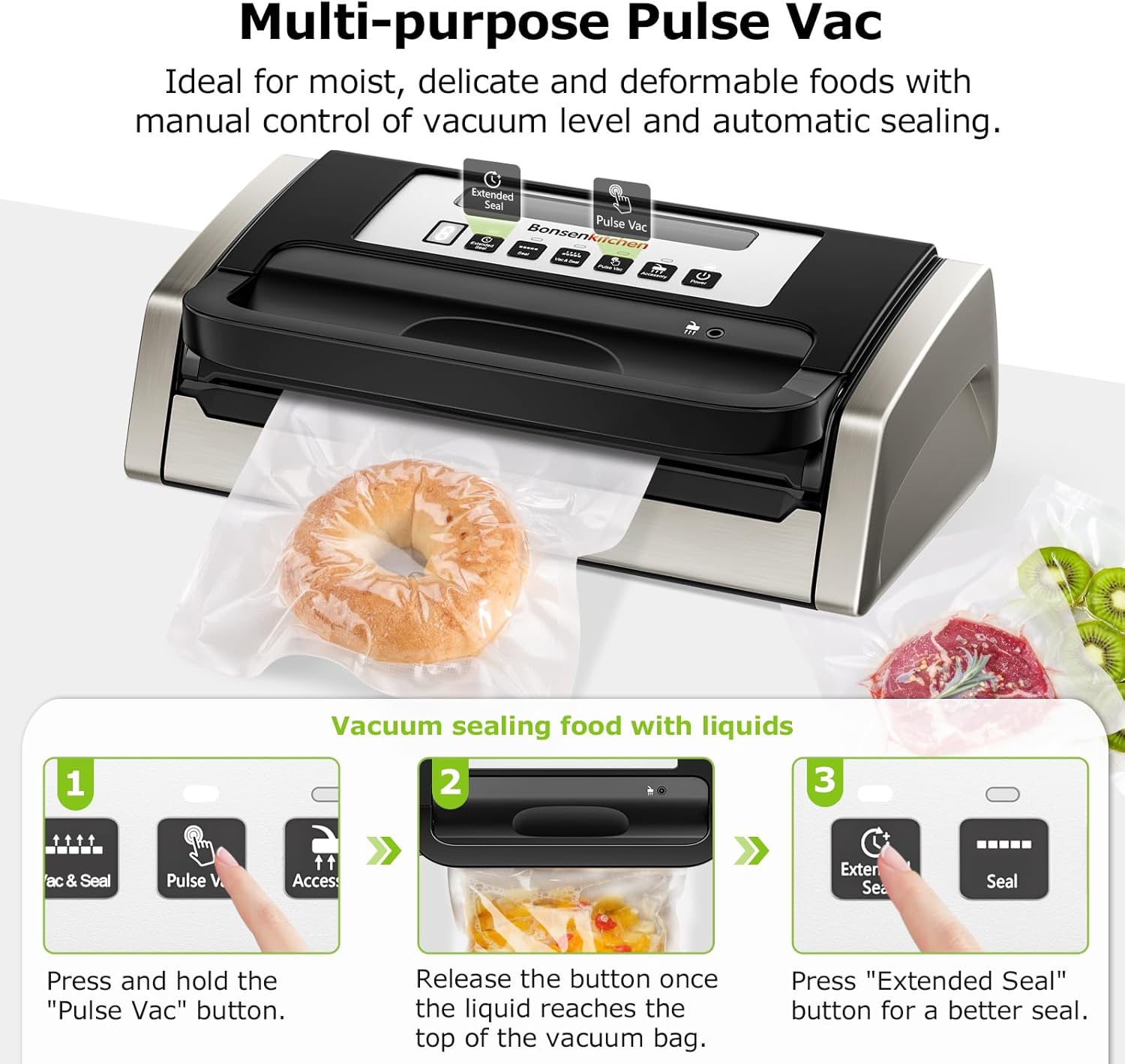
Figure 3: High-Efficiency Automatic Vac & Seal Function.
This image demonstrates the simplicity of operating the Bonsenkitchen VS4100. The top portion shows the vacuum sealer with a bag of meat being sealed, highlighting its high-efficiency automatic function. The bottom portion illustrates the "One-button Start" and "One-handed Operation" for sealing various food items like asparagus, salmon, and lentils.
- Prepare the Bag: Place the food item inside a Bonsenkitchen vacuum sealer bag. Ensure at least 3 inches of empty space between the food and the top edge of the bag.
- Position the Bag: Open the lid of the vacuum sealer. Place the open end of the bag into the vacuum channel, ensuring it lies flat and smooth across the sealing strip.
- Close and Lock: Close the lid firmly and press down on the easy-lock handle until it clicks into place.
- Start Sealing: Press the "Vac & Seal" button. The machine will automatically remove air from the bag and then heat-seal it.
- Release: Once the process is complete (indicator light turns off), press the release buttons on the sides (if applicable) or lift the handle to open the lid. Remove the sealed bag.
2. Multi-functional Modes
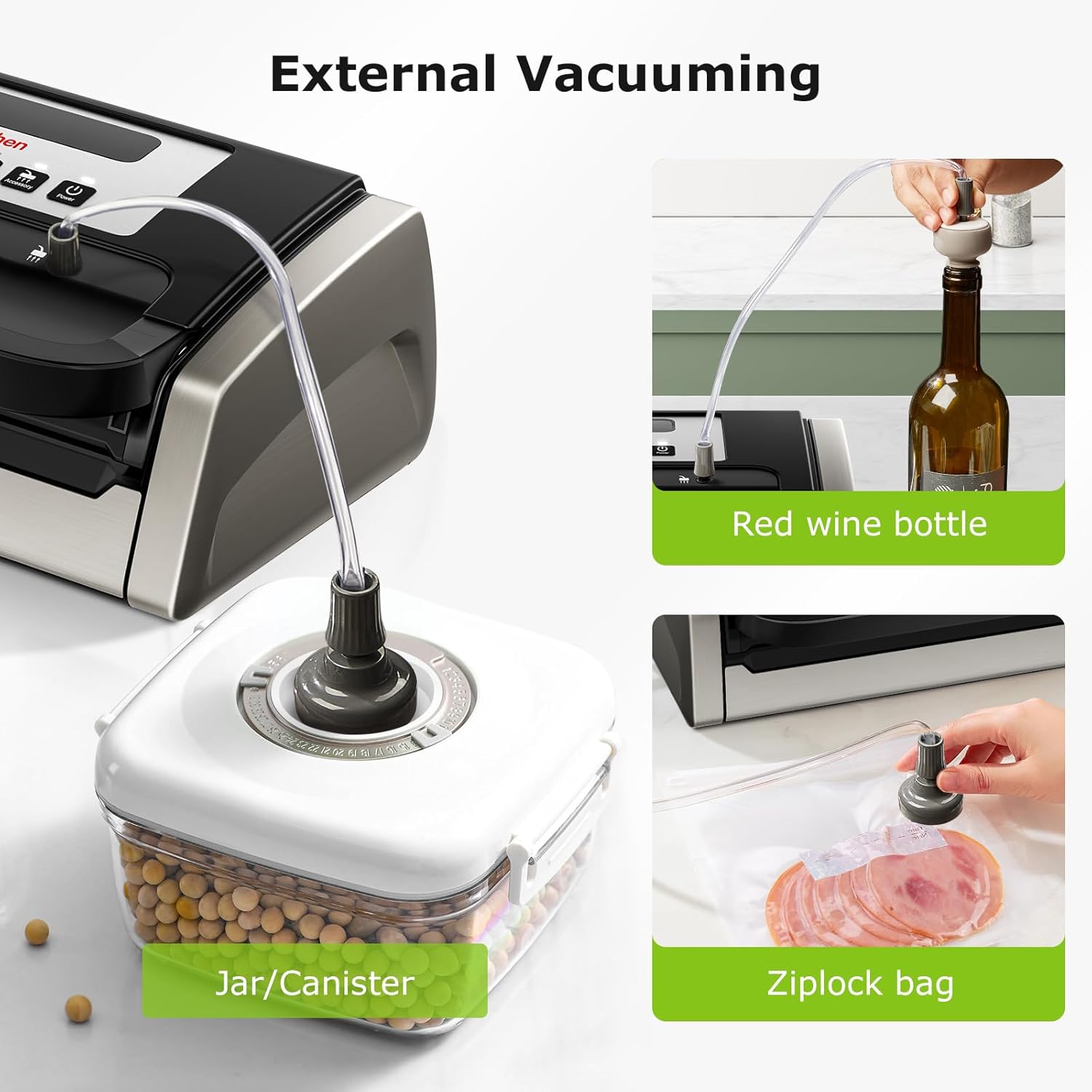
Figure 4: Multi-purpose Pulse Vac Function.
This image provides a step-by-step guide for using the "Pulse Vac" and "Extended Seal" functions on the Bonsenkitchen VS4100, specifically for vacuum sealing foods containing liquids. It shows the process of pressing and holding "Pulse Vac", releasing it when liquid reaches the top of the bag, and then pressing "Extended Seal" for a secure seal.
- Pulse Vac: Ideal for moist, delicate, or deformable foods.
- Place the bag in the vacuum channel and close the lid.
- Press and hold the "Pulse Vac" button. The machine will vacuum intermittently.
- Release the button once the desired vacuum level is reached or just before liquids are drawn into the vacuum channel.
- Immediately press the "Seal" button to seal the bag. For foods with liquids, consider using "Extended Seal" for a better seal.
- Seal: Use this function to create a seal without vacuuming, or to reseal bags.
- Place the open end of the bag on the sealing strip.
- Close the lid and lock the handle.
- Press the "Seal" button. The machine will only heat-seal the bag.
- Extended Seal: Provides a longer sealing time for a stronger seal, especially useful for bags containing liquids or for thicker bags.
- After vacuuming (e.g., with Pulse Vac), or when using the Seal function, press the "Extended Seal" button. This will prolong the sealing duration.
- Accessory: For external vacuuming of canisters, jars, or wine bottles.

Figure 5: External Vacuuming Function.
This image illustrates the external vacuuming feature of the Bonsenkitchen VS4100. It shows the vacuum sealer connected via an accessory hose to a jar/canister filled with dry goods, a red wine bottle, and a ziplock bag, demonstrating its versatility for various external vacuum sealing applications.
- Connect one end of the accessory hose to the accessory port on the vacuum sealer and the other end to the port on your vacuum-sealable container (jar, canister, wine stopper, etc.).
- Close the lid of the vacuum sealer.
- Press the "Accessory" button. The machine will vacuum the container.
- Once vacuuming is complete, remove the hose.
3. Using Bonsenkitchen Vacuum Sealer Bags

Figure 6: Versatile Food Storage and Cooking Methods with Bags.
This image highlights the multi-purpose design of Bonsenkitchen vacuum sealer bags, demonstrating their suitability for various food storage and cooking applications. It shows the bags being used for refrigeration, microwave heating, sous vide cooking, boiling, and steaming, emphasizing their durability and adaptability.
The Bonsenkitchen VS4100 is compatible with all major brand vacuum sealer bags, including the Bonsenkitchen pre-cut vacuum sealer bags (e.g., 8 x 12 quart, model VB3205) and rolls. These bags are designed with embossed air-removal channels for maximum freshness and are heavy-duty (4 mil thick).
- Ensure bags are clean and dry before use.
- Always leave sufficient space (at least 3 inches) at the top of the bag for proper sealing.
- Bags are suitable for refrigeration, freezing, microwave (for reheating, not cooking), sous vide, boiling, and steaming.

Figure 7: Benefits of Vacuum Sealing.
This image visually represents the extended freshness achieved through vacuum sealing. It contrasts a vibrant, fresh salmon fillet with a discolored, spoiled one, emphasizing that vacuum sealing helps keep food fresh up to six times longer. Accompanying icons highlight key benefits: 'Keep Fresh', 'Anti-Oxygen', 'Package', and 'Prevent Bacteria'.
Maintenance
1. Cleaning
- Always unplug the appliance before cleaning.
- Wipe the exterior of the vacuum sealer with a soft, damp cloth. Do not immerse the appliance in water or any other liquid.
- Clean the vacuum channel and sealing strip regularly to prevent food particles from affecting performance. Use a damp cloth and mild soap if necessary, then wipe dry.
- Ensure all parts are completely dry before storing or next use.
2. Storage
- Store the vacuum sealer in a cool, dry place.
- For optimal performance and to prevent deformation of the sealing strip, it is recommended to store the lid in the unlocked position when not in use.
Troubleshooting
If you encounter issues with your Bonsenkitchen VS4100, please refer to the following common problems and solutions:
| Problem | Possible Cause | Solution |
|---|---|---|
| Machine does not turn on. | Not plugged in; power outlet issue. | Ensure the power cord is securely plugged into a working electrical outlet. |
| Bag does not vacuum properly. | Bag not positioned correctly; vacuum channel blocked; bag leakage; lid not locked. |
|
| Bag does not seal. | Sealing strip dirty/wet; bag not positioned correctly; sealing strip worn out. |
|
| Vacuum is weak or inconsistent. | Bag issues; vacuum channel obstruction; Globefish Technology not optimized. |
|
| Seal is not airtight. | Moisture in sealing area; bag material; Globefish Technology not optimized. |
|

Figure 8: Globefish Technology for 100% Vacuuming.
This diagram compares traditional vacuuming methods, which can lead to blockages due to residual heat flattening bag ridges, with Bonsenkitchen's patented Globefish Technology. The latter ensures a clear vacuum channel by preventing the airbag sealing strip from pressing against the bag, allowing for effective air removal.

Figure 9: Globefish Technology for Perfect Sealing.
This diagram illustrates how Bonsenkitchen's patented Globefish Technology achieves a perfect seal. Unlike methods that might result in weak seals due to insufficient pressure, this technology ensures the airbag sealing strip expands after vacuuming, applying over twice the pressure of traditional vacuum sealers for a tighter and more even seal.
Specifications
| Attribute | Detail |
|---|---|
| Brand | Bonsenkitchen |
| Model | VS4100 |
| Material | Plastic |
| Color | Black |
| Power Source | Corded Electric |
| Operation Mode | Manual |
| Voltage | 120 Volts |
| Manufacturer | Bonsenkitchen |
| ASIN | B0DHBT4445 |
| Date First Available | September 18, 2024 |
Warranty and Support
Bonsenkitchen is committed to providing high-quality products. For information regarding warranty coverage, product registration, or technical support, please refer to the warranty card included with your product or visit the official Bonsenkitchen website.
For direct assistance, you may contact Bonsenkitchen customer service through their official channels. Please have your model number (VS4100) and purchase details ready when contacting support.


