
1. Product Overview
The TWDRET Voltage Regulator Rectifier is an electrical component designed to manage the voltage output from an engine's charging system. Its primary function is to convert alternating current (AC) generated by the engine's stator into direct current (DC) and regulate the voltage to a stable level suitable for charging the battery and powering the engine's electrical components.
This device helps prevent overcharging, which can damage the battery, and ensures a consistent power supply, contributing to the longevity and reliable operation of the engine's electrical system.
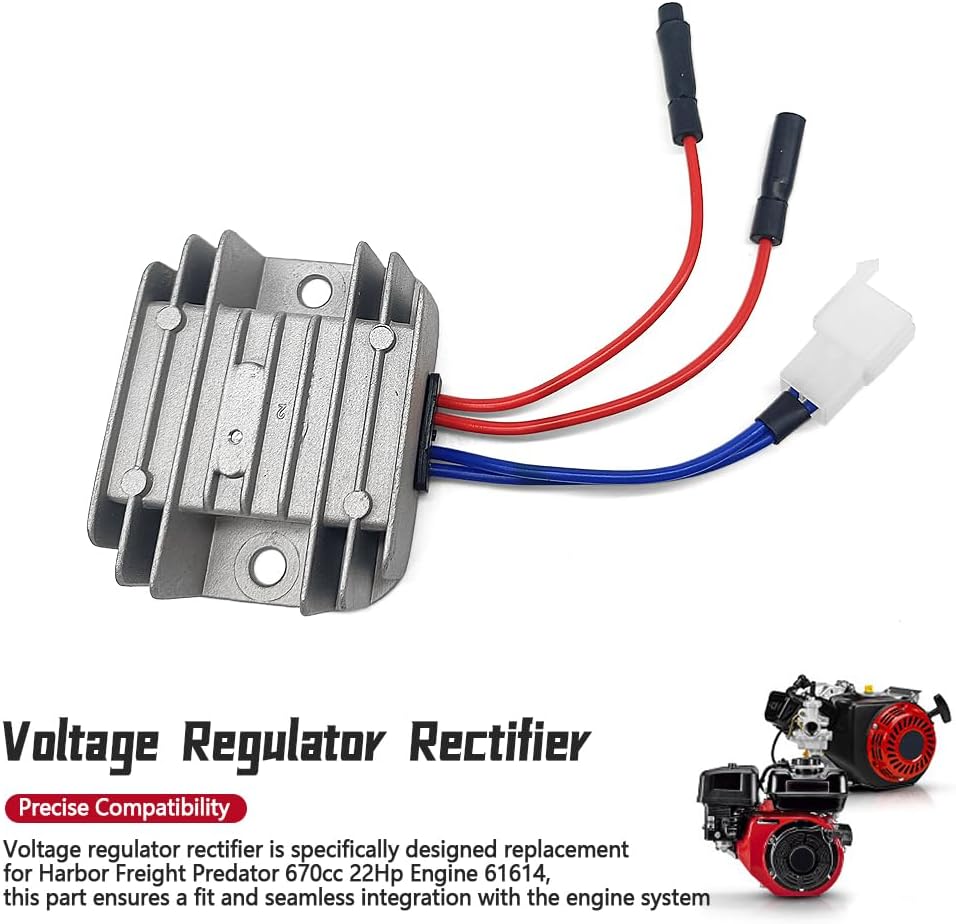
Image 1.1: The TWDRET Voltage Regulator Rectifier with its wiring and connectors. This image illustrates the overall appearance of the unit, highlighting its design for precise compatibility with the specified engine model.
2. Compatibility
This voltage regulator rectifier is specifically designed for direct replacement in the following engine model:
- Harbor Freight Predator 670cc 22HP Engine, Model 61614
Please verify your engine's model number and existing part to ensure proper fitment before installation.
3. Specifications
- Manufacturer: TWO-DOGS Refit
- Brand: TWDRET
- Model: 61614 Voltage Regulator
- Item Weight: 7 ounces
- Package Dimensions: 5.98 x 3.9 x 1.73 inches
- OEM Part Number: 61614

Image 3.1: An overhead view of the voltage regulator rectifier with detailed measurements in inches, including its length, width, height, and wire lengths for reference.

Image 3.2: Close-up views of the voltage regulator rectifier's construction, demonstrating its robust design and durable components built to withstand demanding engine conditions.
4. Installation Instructions
Installation of the TWDRET Voltage Regulator Rectifier is designed to be a direct replacement process. While specific steps may vary slightly depending on your engine's configuration, the general procedure involves:
- Safety First: Ensure the engine is turned off and cool. Disconnect the battery's negative terminal to prevent accidental electrical shorts.
- Locate Existing Unit: Identify the old voltage regulator rectifier on your engine. It is typically mounted to the engine block or frame.
- Disconnect Wiring: Carefully disconnect the electrical connectors from the old unit. Note the orientation of the wires if they are not color-coded or keyed.
- Remove Old Unit: Unbolt or unmount the old voltage regulator rectifier from its position.
- Install New Unit: Mount the new TWDRET voltage regulator rectifier in the same location using the existing hardware. Ensure it is securely fastened.
- Connect Wiring: Reconnect the electrical connectors to the new unit. Ensure all connections are firm and correctly seated.
- Reconnect Battery: Reconnect the battery's negative terminal.
- Test: Start the engine and verify proper operation of the charging system.
This unit features a user-friendly design for straightforward replacement, often without the need for specialized tools or expertise beyond basic hand tools.

Image 4.1: The voltage regulator rectifier with its wiring, emphasizing its user-friendly design for straightforward replacement.

Image 4.2: Rear view of the voltage regulator rectifier, showing the mounting holes and the connection points for the wiring harness, including the two-pin connector, which aids in installation.
5. Operation
Once installed, the voltage regulator rectifier operates automatically to manage the electrical output of your engine. It performs two key functions:
- Rectification: Converts the alternating current (AC) produced by the engine's stator into direct current (DC) that the battery and other electrical components require.
- Voltage Regulation: Maintains a stable output voltage, typically around 13.5-14.5 volts, regardless of engine RPM. This prevents the battery from being overcharged and protects sensitive electronic components from voltage spikes or fluctuations.
This continuous regulation helps safeguard the electrical components of the engine, preventing damage due to overcharging or voltage fluctuations, and thereby protecting the battery and extending its service life.

Image 5.1: The voltage regulator rectifier with its wiring, illustrating its role in safeguarding electrical components by regulating voltage levels and preventing damage from overcharging or fluctuations.
6. Maintenance
The TWDRET Voltage Regulator Rectifier is designed for durability and typically requires minimal maintenance. However, periodic checks can help ensure its optimal performance:
- Visual Inspection: Periodically inspect the unit and its wiring for any signs of physical damage, corrosion, or loose connections.
- Connection Integrity: Ensure all electrical connectors are clean, secure, and free from debris. Loose or corroded connections can impair performance.
- Mounting Security: Confirm that the unit remains securely mounted to prevent vibration damage.
No internal servicing is required for this component.
7. Troubleshooting
If you experience issues with your engine's charging system, the voltage regulator rectifier may be a contributing factor. Common symptoms of a faulty voltage regulator rectifier include:
- Battery Not Charging: The battery consistently drains or does not hold a charge, even after extended engine operation.
- Overcharging: The battery boils, emits a sulfur smell, or experiences a shortened lifespan due to excessive voltage.
- Erratic Electrical System: Lights dim or flicker, or other electrical components behave inconsistently.
- Engine Stalling: In some cases, severe electrical issues can lead to engine stalling.
Troubleshooting Steps:
- Check Battery: Ensure the battery itself is in good condition and fully charged.
- Inspect Wiring: Verify all wiring connections to the voltage regulator rectifier and stator are secure and free of corrosion or damage.
- Test Output Voltage: With the engine running, use a multimeter to measure the voltage across the battery terminals. A healthy charging system should show a stable voltage between 13.5V and 14.5V. Readings significantly outside this range may indicate a faulty regulator.
- Consult a Professional: If you are unsure about testing or diagnosis, it is recommended to consult a qualified mechanic or electrical technician.
8. Warranty and Support
For information regarding warranty coverage, technical support, or replacement parts, please contact the manufacturer, TWDRET, or your original point of purchase. Keep your purchase receipt or order details handy for any warranty claims.