
Lightech Mobility L8
Lightech Mobility Lightweight Foldable Wheelchair User Manual
Model: L8
Brand: Lightech Mobility
Introduction
This user manual provides essential information for the safe and effective operation, assembly, maintenance, and troubleshooting of your Lightech Mobility Lightweight Foldable Wheelchair. Please read this manual thoroughly before initial use and retain it for future reference. Proper understanding and adherence to these instructions will ensure optimal performance and user safety.
Safety Information
Your safety is paramount. Always follow these guidelines:
- Weight Capacity: Do not exceed the maximum weight capacity of 240 lbs. Overloading can compromise stability and safety.
- Brakes: Always engage both the front manual brakes and the rear caregiver brakes when transferring in or out of the wheelchair, or when parked on an incline.
- Anti-Tippers: Ensure anti-tippers are properly engaged, especially when navigating inclines or uneven surfaces, to prevent backward tipping.
- Uneven Surfaces: Exercise extreme caution on uneven terrain, ramps, or thresholds. Seek assistance if necessary.
- Transfers: Always lock the brakes and ensure the wheelchair is stable before attempting any transfers to or from the chair. Utilize the swing-away footrests for easier access.
- Maintenance: Regularly inspect all components, especially brakes, wheels, and frame, for wear or damage. Do not use the wheelchair if any part is damaged or malfunctioning.
- Children and Pets: Keep children and pets away from moving parts of the wheelchair.
Product Overview
The Lightech Mobility Lightweight Foldable Wheelchair is designed for portability and ease of use. Key features include a lightweight magnesium frame, quick-release wheels, foldable armrests and backrest, and a dual braking system.

Figure 1: Overview of the Lightech Mobility Lightweight Foldable Wheelchair. This image displays the wheelchair in its fully unfolded state, highlighting its compact design when folded in the background.
Key Components:
- Frame: High-quality Magnesium construction.
- Wheels: 20" flat-free rear wheels with quick-release mechanism, and front caster wheels.
- Footrests: Detachable swing-away footrests with comfortable leg straps.
- Armrests: Foldable armrests for easy transfers and compact storage.
- Backrest: Foldable backrest for compact storage.
- Cushions: Detachable breathable nylon seat and back cushions.
- Brakes: Front manual brakes and rear caregiver handle brakes.
- Pushrims: Ergonomically designed pushrims for self-propulsion.
- Anti-Tippers: Rear anti-tippers for enhanced stability.
Setup and Assembly
The Lightech Mobility wheelchair is designed for quick and easy setup. No complex tools are required for basic assembly.
- Unfolding the Wheelchair:
Carefully unfold the wheelchair frame until it is fully extended and locked into place. Ensure all locking mechanisms are secure.
- Installing Footrests:
Align the footrest posts with the receiving slots on the front of the wheelchair frame. Push down firmly until they click into place. Ensure they are securely attached before use. The swing-away feature allows for easy attachment and detachment.

Figure 2: Detachable swing-away footrests. These footrests can be easily swung to the side or removed for convenient transfers and compact storage.
- Unfolding Backrest and Armrests:
Lift the backrest to its upright position until it locks. The armrests can then be adjusted or unfolded if they were collapsed for storage.
- Attaching Cushions:
Place the detachable seat and back cushions onto the wheelchair. Ensure they are properly aligned and secured for comfort.

Figure 3: Detachable nylon cushion and quick-release wheel. The breathable cushion provides comfort, while the quick-release wheels allow for easy removal and reinstallation.
- Quick Release Wheels (Optional Removal/Installation):
To remove a wheel, press the quick-release button located at the center of the wheel hub and pull the wheel outwards. To re-install, align the axle with the hub and push firmly until it locks into place. This feature aids in compact storage and transport.
Folding for Transport and Storage:
The wheelchair's ultra-lightweight and foldable design makes it ideal for travel and storage.
- Remove Footrests: Detach the swing-away footrests by pulling them up from their slots.
- Fold Backrest: Press the release levers on the backrest and fold it forward.
- Collapse Frame: Pull up on the seat fabric or frame to collapse the wheelchair inwards.
- Optional Wheel Removal: For even more compact storage, remove the quick-release rear wheels as described above.

Figure 4: Three effortless steps to fold the wheelchair. This visual guide demonstrates the process of removing footrests, folding the backrest, and collapsing the chair for easy transport.

Figure 5: Compact and portable design. The folded wheelchair fits easily into a car trunk, demonstrating its suitability for travel and convenient storage.
Operation
Self-Propulsion:
To move the wheelchair independently, grasp the ergonomic pushrims located on the rear wheels. Push forward evenly with both hands to move straight, or apply more pressure to one side to turn.

Figure 6: Ergonomic pushrims and convenient design. The specially designed pushrims protect and empower hands during self-propulsion, enhancing user comfort.
Braking System:
The wheelchair features a dual braking system for enhanced safety and control.
- Front Manual Brake: Located near the front wheels, these brakes can be engaged by the user to lock the wheels, providing stability during transfers or when stationary. Push the lever down to engage the brake.
- Rear Caregiver Brake: Located on the push handles, these brakes allow a caregiver to control the speed and stop the wheelchair. Squeeze the levers to slow down or stop. Push the levers down to lock the brakes for parking.

Figure 7: Dual braking system for safety and stability. This image illustrates the front manual brake for user control and the rear caregiver brake for assisted stopping and parking.
Adjusting Armrests:
The armrests are foldable, allowing them to be moved out of the way for easier side transfers or to accommodate users who need more space. Simply lift the armrest to fold it up or down.
Using Swing-Away Footrests:
To facilitate transfers, the footrests can be swung to the side. Lift the footrest slightly and pivot it outwards. This provides clear access to the seat.
Instructional Video:
For a visual guide on setup and operation, please refer to the official product overview video:
Video 1: Overview of Lightech Mobility Portable Wheelchair. This video demonstrates the unfolding process, installation of footrests and cushions, use of ergonomic pushrims, foldable armrests, quick-release wheels, and both front and rear manual brakes.
Maintenance
Regular maintenance ensures the longevity and safe operation of your wheelchair.
- Cleaning: Clean the frame with a damp cloth and mild detergent. The detachable nylon cushions can be removed for cleaning. Avoid abrasive cleaners.
- Wheel Inspection: Regularly check the 20" flat-free tires for any signs of wear or damage. Ensure quick-release mechanisms are functioning correctly.
- Brake Check: Test both front and rear brakes regularly to ensure they engage securely and hold the wheelchair in place. Adjust if necessary.
- Fasteners: Periodically check all nuts, bolts, and screws to ensure they are tight. Do not overtighten.
- Storage: Store the wheelchair in a dry, clean environment, away from extreme temperatures and direct sunlight.
Troubleshooting
Below are common issues and their potential solutions:
| Problem | Possible Cause | Solution |
|---|---|---|
| Wheelchair does not unfold completely. | Frame not fully extended or locked. | Ensure the frame is fully extended and the seat rails are pushed down firmly until they lock. |
| Brakes are not holding securely. | Brake cable loose or worn brake pads. | Inspect brake cables for tension. If loose, adjust according to manufacturer guidelines or consult a professional. Check brake pads for wear and replace if necessary. |
| Wheels are difficult to remove/install. | Quick-release mechanism obstructed or dirty. | Clean the quick-release mechanism and apply a small amount of lubricant if needed. Ensure the button is fully depressed during removal/installation. |
| Squeaking noises during operation. | Lack of lubrication in moving parts or loose components. | Apply a silicone-based lubricant to moving joints and axles. Check all fasteners for tightness. |
Specifications
Detailed specifications for the Lightech Mobility Lightweight Foldable Wheelchair (Model L8):
- Model: L8
- Material: High-quality Magnesium construction
- Unfold Size: 43"D x 27"W x 37"H
- Folding Size: 42"L x 13.6"W x 30"H
- Weight (without footrests & wheels): 14 lbs
- Weight (without footrests): 20 lbs
- Product Weight: 31.65 lbs (including all components)
- Maximum Weight Capacity: 240 lbs
- Tires: 20" flat-free tires
- Braking System: Dual (Front Manual Brake, Rear Caregiver Handle Brake)
- Country of Origin: USA

Figure 8: Wheelchair dimensions and load capacity. This diagram provides key measurements for both the unfolded and folded states, as well as the maximum weight the wheelchair can support.
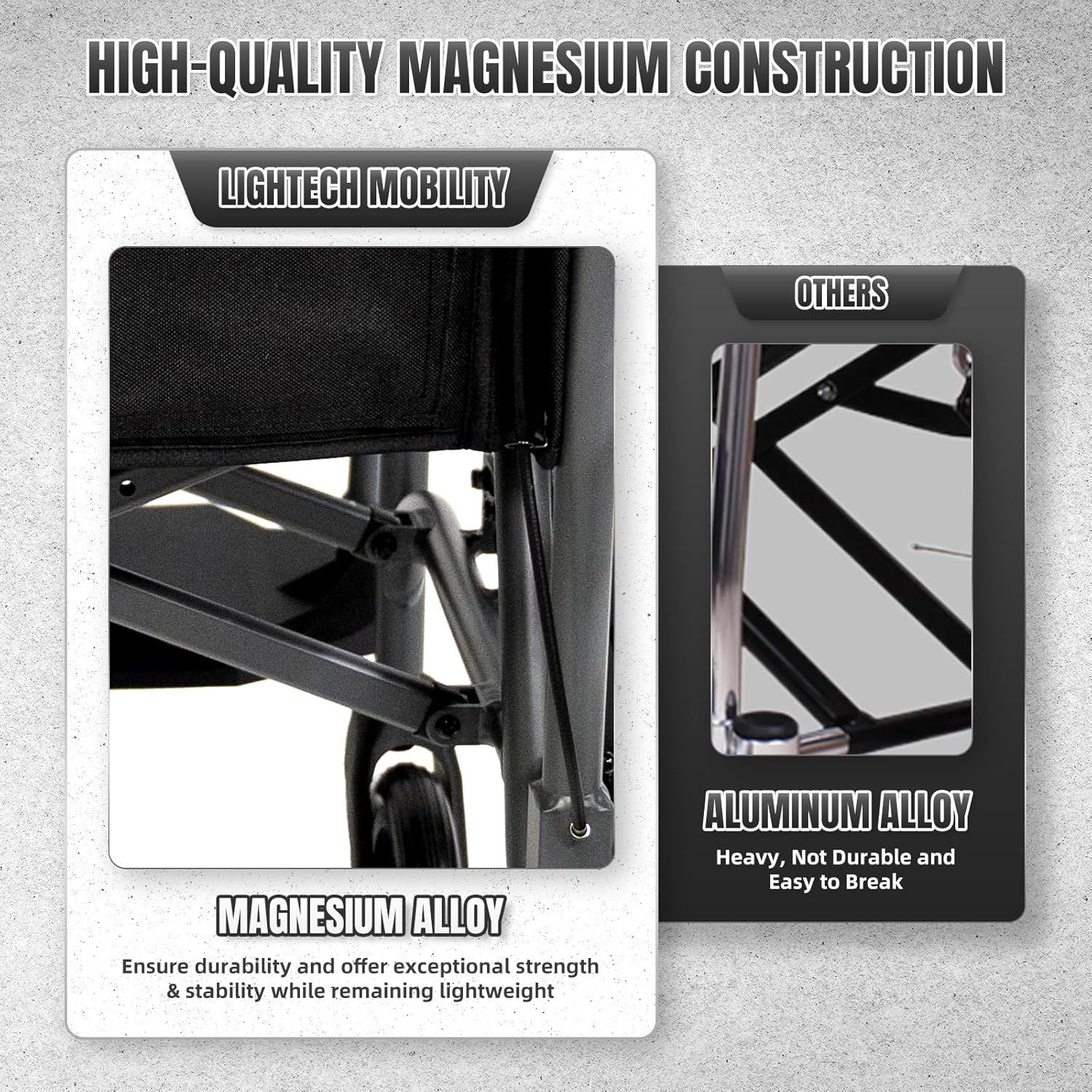
Figure 9: High-quality Magnesium construction. This image highlights the durable and lightweight magnesium alloy frame, ensuring exceptional strength and stability.
Warranty and Customer Support
Lightech Mobility stands behind the quality of its products.
- Warranty: The Lightech Mobility folding wheelchair comes with a one-year warranty for both the frame and the components.
- Customer Service: For any issues, questions, or support needs, please contact Lightech Mobility customer service. We are committed to providing prompt support until you are fully satisfied. Refer to the product packaging or the Lightech Mobility official website for contact details.
Ask a question about this manual
Ask about setup, troubleshooting, compatibility, parts, safety, or missing instructions. Manuals+ will review the question and use this page’s manual context to help answer it.