
1. Important Safety Information
Read this instruction manual carefully before using the appliance and save it for future reference. Always follow basic safety precautions when using electrical appliances to reduce the risk of fire, electric shock, and personal injury.
- Electrical Safety: Ensure the voltage indicated on the appliance corresponds to your local mains voltage before connecting. Do not operate the appliance with a damaged cord or plug.
- Steam Hazard: The steamer produces hot steam. Keep hands and face away from the steam nozzle during operation. Do not direct steam at people or pets.
- Water Tank: Only fill the water tank with clean tap water. Do not add perfumes, vinegar, starch, descaling agents, or other chemicals, as these can damage the appliance or cause stains.
- Stability: Always place the steamer on a stable, flat surface. Ensure the poles are securely locked in place.
- Children: This appliance is not intended for use by children. Keep the appliance and its cord out of reach of children.
- Maintenance: Unplug the appliance before cleaning or performing any maintenance. Allow it to cool completely.
2. Product Overview
Familiarize yourself with the components of your Philips 1000 Series Stand Steamer.

Figure 2.1: Overview of the Philips 1000 Series Stand Steamer components, including the adjustable double pole, large plastic plate, 3 steam settings dial, 36g/min continuous steam nozzle, detachable 1.8L water tank, and calc clean feature.
- A. Steam Nozzle: Delivers continuous steam for wrinkle removal.
- B. Steam Hose: Connects the base unit to the steam nozzle.
- C. Adjustable Double Pole: Provides stability and allows height adjustment for various garment lengths.
- D. Integrated Hanger: For conveniently hanging garments during steaming.
- E. Water Tank: Detachable 1.8L capacity for extended steaming sessions.
- F. Steam Settings Dial: Allows selection of three custom steam settings for different fabric types.
- G. Power Button/Indicator: Turns the appliance on/off and indicates operational status.
- H. De-Calc/Easy Rinse Knob: For performing the descaling function.
- I. Base Unit: Contains the heating element and water reservoir.
- J. Fabric Brush: (Included accessory) Helps to open fabric weave for better steam penetration on thicker fabrics.
- K. Protective Glove: (Included accessory) For hand protection during steaming.
3. Setup and Assembly
Follow these steps to assemble your stand steamer before first use.
- Unpack Components: Carefully remove all parts from the packaging.
- Assemble Poles: Insert the adjustable double poles into the designated slots on the base unit until they click into place. Ensure they are stable.
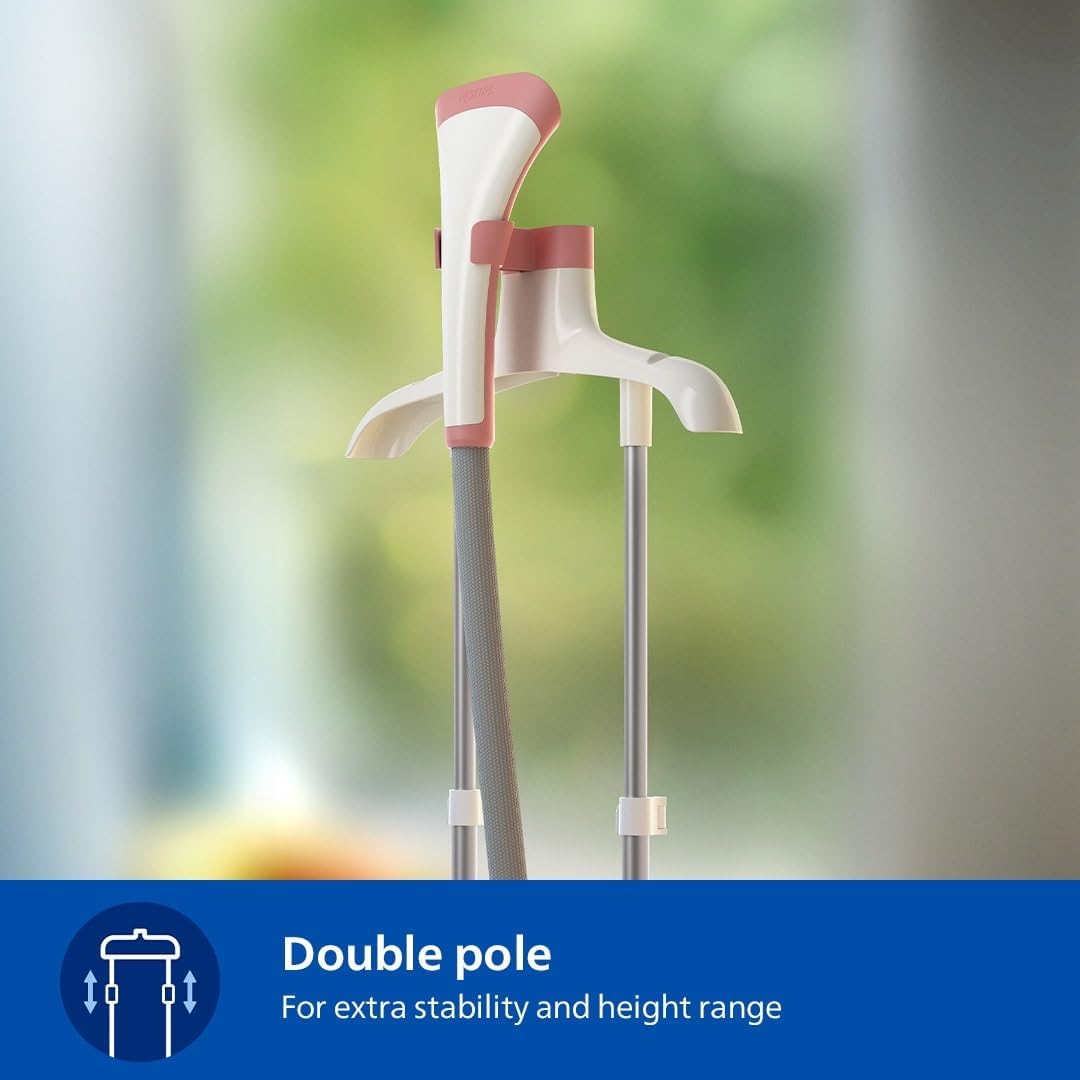
Figure 3.1: The double pole system provides stability and allows for height adjustment.
- Attach Hanger: Slide the integrated garment hanger onto the top of the poles.
- Connect Steam Hose: Securely attach the steam hose to the steam outlet on the base unit.
- Fill Water Tank: Remove the detachable 1.8L water tank from the base. Open the cap, fill with clean tap water, and close the cap securely. Reinsert the water tank into the base unit.

Figure 3.2: The large 1.8L detachable water tank minimizes the need for frequent refills.
- Position Steamer: Place the assembled steamer on a stable, level surface, away from walls or furniture that could be damaged by steam.
4. Operating Instructions
Learn how to effectively use your Philips Stand Steamer for optimal results.
4.1 Powering On and Heating Up
- Ensure the water tank is filled and correctly inserted.
- Plug the power cord into a grounded electrical outlet.
- Press the power button. The indicator light will illuminate, and the steamer will begin to heat up. It heats up in approximately 45 seconds.
- Once ready, steam will start to emit from the nozzle.
4.2 Selecting Steam Settings
The steamer offers three custom steam settings to suit various fabric types.

Figure 4.1: The steam settings dial allows you to choose the appropriate steam level for your fabric.
- Low Steam: For delicate fabrics like silk, synthetics, and cashmere.
- Medium Steam: For lightweight fabrics such as cotton shirts and dresses.
- High Steam: For thick fabrics like denim, wool, and coats, providing a powerful 36g/min continuous steam output.

Figure 4.2: The steamer delivers a continuous steam output of 36g/min for effective de-wrinkling.
Rotate the steam settings dial to select your desired steam level.
4.3 Steaming Garments
- Hang the garment on the integrated hanger.
- Hold the steam nozzle close to the fabric, but do not press it directly against delicate materials.
- Move the nozzle slowly downwards over the fabric. For stubborn wrinkles, gently stretch the fabric with your free hand (using the protective glove for safety).
- For thicker fabrics, attach the fabric brush accessory to the steam nozzle to help open the weave and allow steam to penetrate deeper.
- The hot steam also helps to kill 99.9% of bacteria and remove odors, refreshing your clothes.

Figure 4.3: Steaming helps to sterilize fabrics, eliminating 99% of bacteria and dust mites.
- The large steam plate allows for fewer strokes, making the process more efficient.

Figure 4.4: The steamer features a large steam plate for efficient wrinkle removal.
- The steamer is safe for use on all ironable fabrics, including delicate materials.

Figure 4.5: The steamer is safe for use on a wide range of ironable fabrics, from delicate to heavy.
4.4 Finishing Steaming
- When finished, press the power button to turn off the appliance.
- Unplug the power cord from the outlet.
- Allow the appliance to cool down completely before storing.
5. Maintenance and Cleaning
Regular maintenance ensures optimal performance and extends the lifespan of your steamer.
5.1 Descaling (Easy Rinse Function)
To prevent limescale buildup and maintain strong steam output, regularly use the Easy Rinse descaling function. The frequency depends on water hardness and usage.
- Ensure the appliance is unplugged and completely cool.
- Remove the water tank.
- Place the steamer over a sink or basin.
- Locate the De-Calc/Easy Rinse knob on the base unit. Turn the knob to the "unlock" position and pull it out to drain the water from the base.
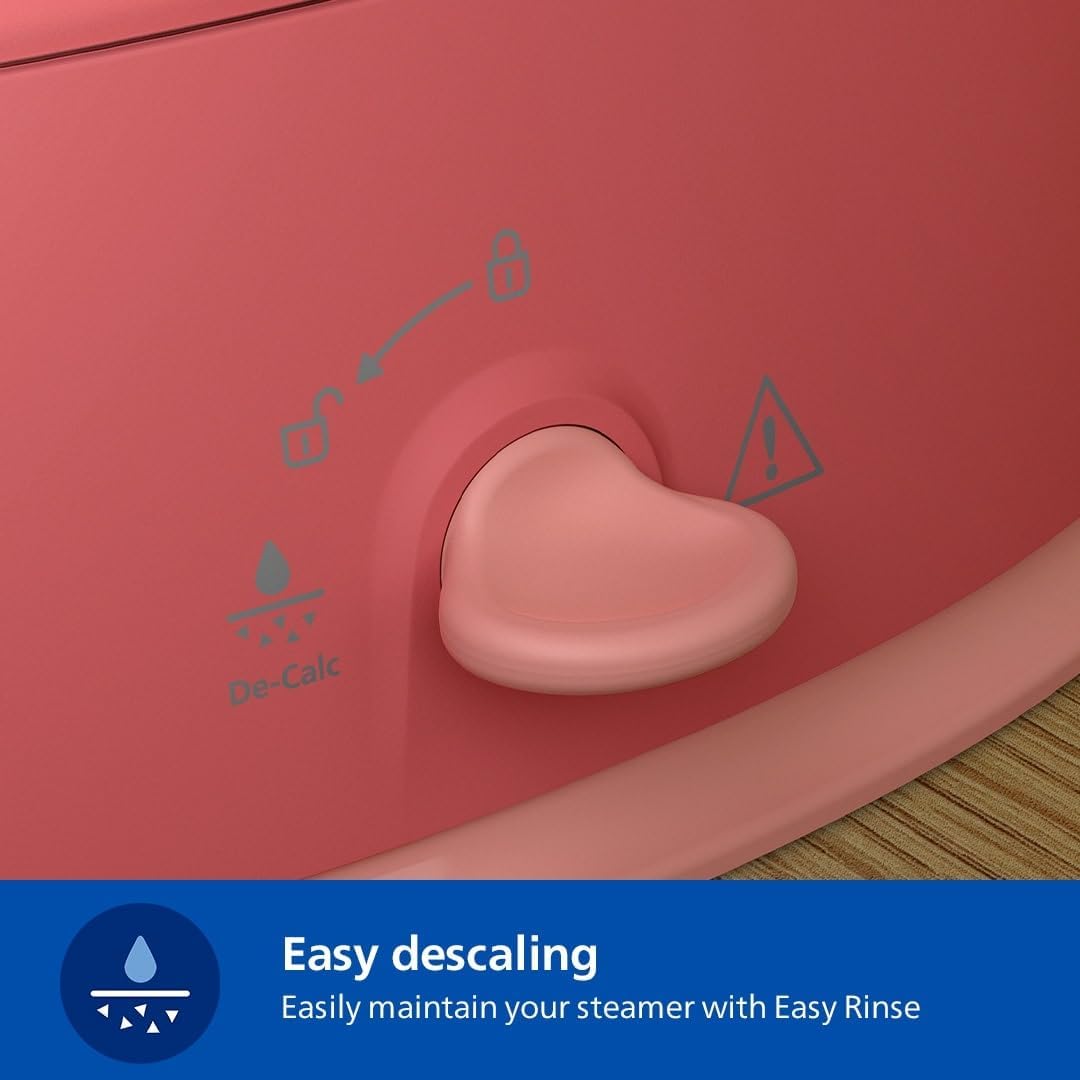
Figure 5.1: The Easy Descaling knob allows for simple maintenance to remove calcium deposits.
- Rinse the base unit with clean water, shaking gently, until no more scale particles come out.
- Reinsert and lock the De-Calc/Easy Rinse knob.
- Refill the water tank and perform a short steaming cycle to flush out any remaining residue.
5.2 Cleaning the Steamer
- Wipe the exterior of the appliance with a soft, damp cloth.
- Clean the steam nozzle plate with a damp cloth. Do not use abrasive cleaning agents.
- If the steam hose becomes clogged, gently stretch it to dislodge any mineral buildup.
6. Troubleshooting
Refer to this section for common issues and their solutions.
| Problem | Possible Cause | Solution |
|---|---|---|
| No steam or weak steam. | Water tank is empty or not properly inserted. Limescale buildup. Steamer not heated sufficiently. | Refill water tank and ensure it's correctly seated. Perform descaling (Easy Rinse). Allow 45 seconds for heating. |
| Water leaking from nozzle. | Condensation in the hose. Steamer not hot enough. | Allow the steamer to heat up fully before use. Hold the nozzle higher than the hose to allow condensation to drain back into the base. |
| Appliance does not turn on. | Not plugged in. Power outlet issue. | Ensure the power cord is securely plugged into a working outlet. Check the circuit breaker. |
| Garments remain wrinkled. | Incorrect steam setting. Steaming too quickly. Fabric type. | Select a higher steam setting for thicker fabrics. Move the nozzle slower. For very stubborn wrinkles, consider using an iron. |
7. Specifications
Key technical details of the Philips 1000 Series STE1020/40 Stand Steamer.
- Model: STE1020/40
- Power: 1800 Watts
- Continuous Steam Output: 35g/min (as per product specifications)
- Water Tank Capacity: 1.8 Liters
- Voltage: 220 Volts
- Product Dimensions: 43.4L x 30.3W x 168.2H centimetres
- Item Weight: 2.95 Kilograms
- Included Components: Fabric brush, Protective glove, Integrated hanger
- Color: Soft Red
8. Warranty and Support
For warranty information and product support, please refer to the official Philips website or contact their customer service.
- Warranty: This product comes with a standard manufacturer's warranty. Please retain your proof of purchase for warranty claims. Specific warranty terms and duration may vary by region.
- Customer Support: For technical assistance, spare parts, or service, visit the official Philips website or contact their local customer support center. You can find contact details on the Philips website or in the warranty booklet provided with your product.
- Online Resources: Additional FAQs, troubleshooting guides, and product registration may be available on the Philips support website.


