
pealiritansemen Electric Reciprocating Saw
Electric Reciprocating Saw User Manual
Model: Electric Reciprocating Saw | Brand: pealiritansemen
1. Introduction
This user manual provides comprehensive instructions for the safe and efficient operation, setup, maintenance, and troubleshooting of your new Electric Reciprocating Saw. Designed for versatility, this powerful tool can handle a variety of cutting tasks, including bone, meat, wood, metal, and plastic. Please read this manual thoroughly before first use to ensure proper handling and to maximize the lifespan of your product.
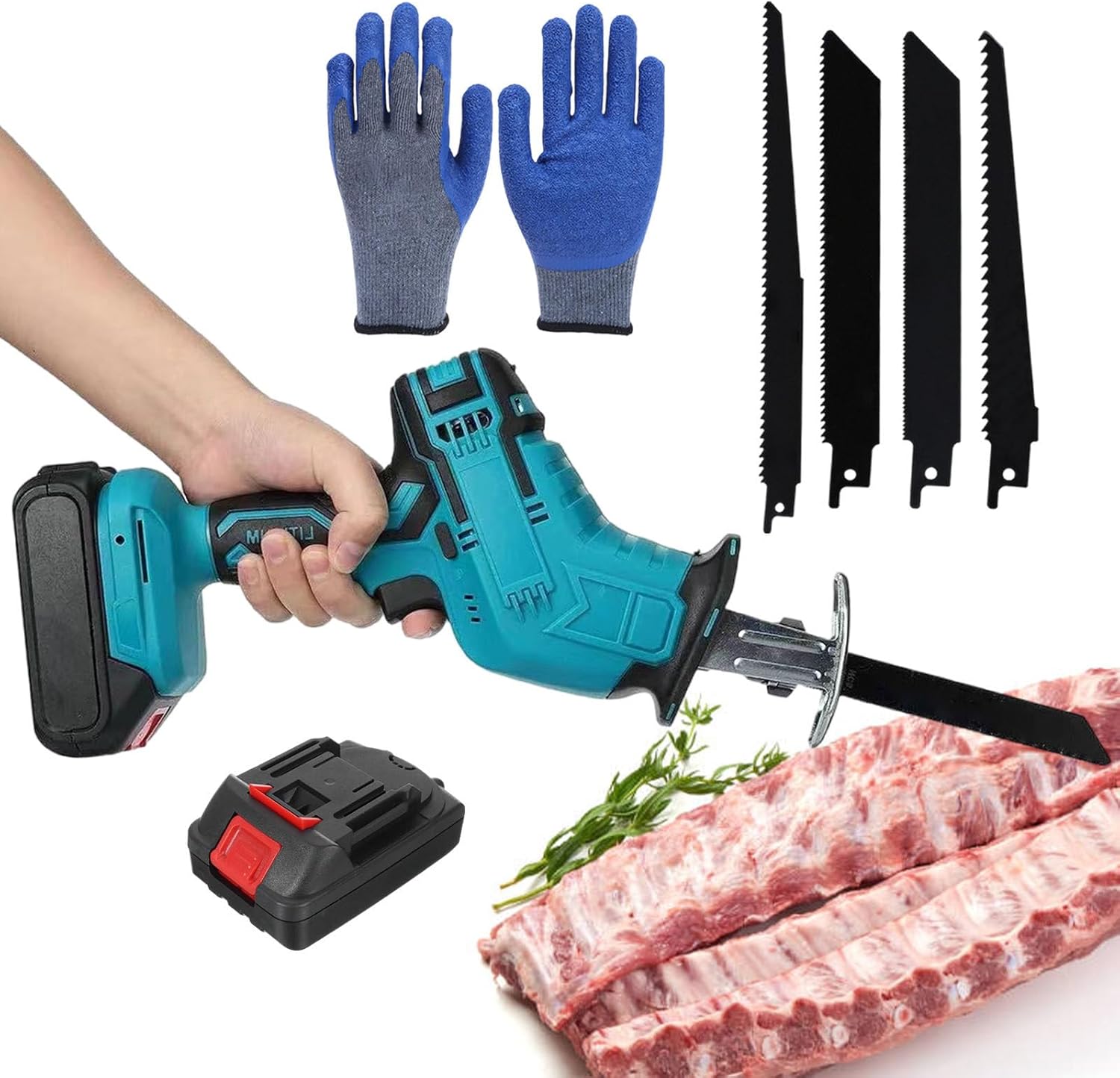
Figure 1: Electric Reciprocating Saw and Accessories
This image displays the main components of the Electric Reciprocating Saw package, including the saw itself, a battery, a charger, multiple saw blades for different materials, and protective gloves.
2. Safety Instructions
Always follow basic safety precautions to reduce the risk of fire, electric shock, and personal injury.
- Read all instructions: Familiarize yourself with the tool's functions and limitations.
- Wear appropriate personal protective equipment (PPE): Always wear safety glasses, gloves, and hearing protection.
- Secure workpiece: Ensure the material being cut is stable and cannot shift during operation.
- Keep work area clean and well-lit: Cluttered or dark areas invite accidents. The integrated LED light assists in illuminating the cutting path.
- Avoid accidental starting: Ensure the switch lock is engaged when not in use or when changing blades.
- Use the correct blade: Match the saw blade to the material being cut (wood, metal, plastic, bone).
- Maintain a firm grip: The comfortable rubber handle provides a secure grip, but always maintain control of the tool.
- Disconnect power: Always remove the battery pack before making any adjustments, changing accessories, or storing the tool.
3. Product Overview
The Electric Reciprocating Saw is designed for powerful and precise cutting. Key features include a pure copper motor for high efficiency and low noise, and an integrated LED light for improved visibility.

Figure 2: Product Components
This diagram labels the main parts of the reciprocating saw, including the saw blade, base plate, tool-free blade clamp, brushless motor, cushioned overmold grip, safety lock, and variable speed trigger.
Key Features:
- Pure Copper Motor: Ensures high operating efficiency, low noise, and extended service life.
- LED Illumination: Provides light to the cutting area, reducing shadows and improving accuracy.
- Comfortable Grip: Ergonomically designed handle with soft rubber material for secure and comfortable handling.
- Self-locking Chuck: Allows for quick and secure blade changes.
- Continuously Variable Speed Switch: Adjust cutting speed based on material and application.
- Safety Lock: Prevents accidental activation.

Figure 3: Pure Copper Motor
This image highlights the pure copper motor, emphasizing its benefits such as low noise, high efficiency, and extended service life.
4. Setup
4.1 Battery Installation
- Ensure the saw is turned off and the safety lock is engaged.
- Align the battery pack with the battery slot on the tool handle.
- Slide the battery pack into the slot until it clicks securely into place.
- To remove, press the battery release button and slide the battery out.
4.2 Blade Installation
The saw features a self-locking chuck for quick and easy blade changes.
- Ensure the battery is removed for safety.
- Turn the chuck counter-clockwise to open the inner clip.
- Insert the saw blade of the correct size and align it with the slot.
- Release the chuck; the clip will automatically close, securing the blade.
- Gently pull on the blade to ensure it is firmly seated before use.

Figure 4: Blade Installation Steps
This visual guide demonstrates the process of installing a saw blade using the self-locking chuck mechanism, highlighting the counter-clockwise turn, blade insertion, and automatic locking.
5. Operation
5.1 Powering On/Off
- To start the saw, disengage the safety lock (if present) and press the variable speed trigger.
- To stop, release the trigger. Engage the safety lock when not in use.
5.2 Adjusting Speed
The saw features a continuously variable speed switch, allowing you to adjust the cutting speed based on the material and desired cut quality.
- Press the trigger lightly for slower speeds, and press it further for higher speeds.
- Slower speeds are generally better for harder materials like metal, while faster speeds are suitable for softer materials like wood or plastic.

Figure 5: Function Display - Speed Control
This image illustrates the high-frequency reciprocating action of the saw blade and points out the location of the continuously variable speed trigger and the protective switch on the tool's handle.
5.3 Cutting Different Materials
This versatile saw can cut a wide range of materials. Always select the appropriate blade for the material.
- Wood: Use coarse-toothed blades for fast cuts, fine-toothed for smoother finishes.
- Metal: Use fine-toothed metal-cutting blades. Apply cutting oil if necessary to prolong blade life.
- Plastic: Use fine-toothed blades to prevent melting.
- Bone/Meat: Use specialized blades designed for bone cutting. Ensure proper hygiene and cleaning after use.

Figure 6: Versatile Cutting Applications
This collage of images demonstrates the saw's ability to cut various materials, including wood, steel, plastic, and bone, highlighting its versatility.
6. Maintenance
Regular maintenance ensures optimal performance and extends the life of your tool.
- Cleaning: After each use, clean the tool with a dry cloth to remove dust and debris. For bone/meat cutting, ensure thorough sanitization of blades and contact surfaces.
- Blade Care: Inspect blades for wear or damage before each use. Replace dull or bent blades immediately. Store blades in a dry place to prevent rust.
- Battery Care: Store batteries in a cool, dry place. Do not expose to extreme temperatures. Charge batteries fully before storage if not used for extended periods.
- Lubrication: The motor is designed for maintenance-free operation. Do not attempt to lubricate internal components.
7. Troubleshooting
If you encounter issues, refer to the following common problems and solutions:
| Problem | Possible Cause | Solution |
|---|---|---|
| Saw does not start | Battery not charged or improperly installed; Safety lock engaged; Faulty trigger. | Ensure battery is fully charged and securely inserted. Disengage safety lock. If problem persists, contact support. |
| Blade not cutting efficiently | Dull or incorrect blade for material; Blade loose; Overheating. | Replace blade with a sharp, appropriate one. Re-install blade securely. Allow tool to cool down. |
| Excessive vibration | Loose blade; Damaged blade; Loose components. | Check blade for secure installation and damage. If damaged, replace. If vibration continues, contact support. |
8. Specifications
| Specification | Value |
|---|---|
| Brand | pealiritansemen |
| Model Reference | Electric Reciprocating Saw |
| Product Weight | 2.5 Kilograms |
| Battery Voltage | 21 Volts |
| Rotation Speed | 3000 rpm/min |
| Blade Material | Stainless Steel |
| Recommended Surface | Wood, Metal, Plastic, Bone |
| Included Components | Saw blades, Gloves, Battery, Charger, Plastic Box |

Figure 7: Package Contents and Blade Types
This image details the package contents, including different battery options and a visual representation of the various saw blade types provided, along with their approximate dimensions for different materials.
9. Warranty and Support
While specific warranty details are not provided, the manufacturer is committed to customer satisfaction.
If you have any questions, concerns, or require assistance with your Electric Reciprocating Saw, please do not hesitate to contact the seller or manufacturer directly. They will be happy to provide support and guidance.
For contact information, please refer to your purchase documentation or the product listing on the platform where you purchased the item.
Related documentsElectric Reciprocating Saw


Ask a question about this manual
Ask about setup, troubleshooting, compatibility, parts, safety, or missing instructions. Manuals+ will review the question and use this page’s manual context to help answer it.