
1. Introduction
This instruction manual provides essential information for the safe and effective use of the MOLLIFII AG35-A G Class Time Delay Fuse. Please read this manual thoroughly before installation and operation to ensure proper function and safety.
2. Product Overview
The MOLLIFII AG35-A is a G Class, time-delay fuse designed for overcurrent protection in electrical circuits. Its time-delay characteristic allows it to withstand temporary overcurrents, such as those caused by motor starting, without opening, while still providing protection against sustained overloads and short circuits.
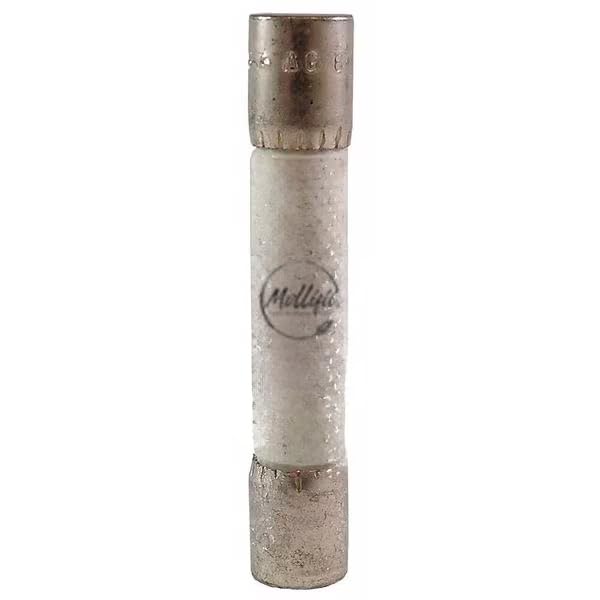
Figure 1: MOLLIFII AG35-A G Class Time Delay Fuse. This image displays a cylindrical fuse with a white body and metallic end caps. The brand 'Mollifii' is visible on the central body of the fuse.
3. Specifications
| Fuse Type | G Class, Time Delay |
| Current Rating | 35 A |
| AC Voltage Rating | 480V AC |
| DC Voltage Rating | Not Rated |
| Interrupt Rating | 100kA at 480V AC |
| Body Style | Cylindrical, Rejection |
| Dimensions (L x Dia) | 2-1/4 in x 13/32 in |
| Manufacturer | MOLLIFII |
| Model Number | AG35-A |
4. Safety Information
WARNING: Risk of electric shock or burn.
- Always disconnect power to the circuit before installing, removing, or inspecting fuses.
- Fuses must be installed by qualified personnel in accordance with all applicable electrical codes and standards.
- Never replace a fuse with one of a different type, voltage rating, or current rating than specified for the circuit. Using an incorrect fuse can lead to equipment damage, fire, or personal injury.
- Ensure the fuse holder is clean and free from corrosion before installation.
- Do not touch live electrical parts.
5. Installation
- Power Disconnection: Before beginning any work, ensure that the main power supply to the circuit where the fuse will be installed is completely disconnected and locked out. Verify with a voltage tester.
- Identify Fuse Holder: Locate the appropriate fuse holder for the AG35-A fuse. Ensure it is designed for G Class fuses of the correct dimensions.
- Insert Fuse: Carefully insert the AG35-A fuse into the fuse holder. Ensure it is seated firmly and correctly. Do not force the fuse into the holder.
- Secure Connections: If the fuse holder involves screw terminals, ensure they are tightened to the manufacturer's specifications to prevent loose connections and arcing.
- Restore Power: Once the fuse is securely installed and all safety checks are complete, restore power to the circuit.
Note: If you are unsure about any step of the installation process, consult a qualified electrician.
6. Operation
The MOLLIFII AG35-A is a passive overcurrent protection device. It operates by interrupting the electrical circuit when the current flowing through it exceeds its rated capacity for a specified duration. As a time-delay fuse, it is designed to tolerate temporary current surges (e.g., motor start-up) without blowing, but will open the circuit if an overload or short circuit persists, protecting downstream equipment from damage.
A properly functioning fuse will allow normal current flow. If the fuse blows, it indicates an overcurrent condition in the circuit it protects. The fuse itself does not require any active operation from the user.
7. Maintenance
Fuses are generally maintenance-free components. However, periodic inspection of the fuse and its holder is recommended, especially in critical applications or environments prone to vibration or corrosion.
- Visual Inspection: With power disconnected, visually inspect the fuse for any signs of damage, discoloration, or arcing.
- Holder Inspection: Check the fuse holder for loose connections, corrosion, or signs of overheating.
- Cleaning: If necessary, clean the fuse holder contacts using a non-abrasive electrical contact cleaner, ensuring power is off.
Note: A fuse that has blown cannot be repaired and must be replaced.
8. Troubleshooting
If a circuit protected by the AG35-A fuse loses power, the fuse may have blown. Follow these steps:
- Disconnect Power: Turn off and lock out the power supply to the affected circuit.
- Inspect Fuse: Carefully remove the fuse from its holder. Visually inspect it for a broken element or discoloration. For non-indicating fuses like the AG35-A, a multimeter can be used to check for continuity. A blown fuse will show infinite resistance (open circuit).
- Identify Cause: Before replacing the fuse, investigate the cause of the overcurrent. Common causes include short circuits, overloaded equipment, or faulty wiring. Replacing a fuse without addressing the underlying issue will likely result in the new fuse blowing as well.
- Replace Fuse: Replace the blown fuse with a new MOLLIFII AG35-A fuse of the exact same type, voltage, and current rating. Never use a fuse with a higher rating.
- Restore Power: Once the new fuse is installed and the cause of the fault is addressed, restore power to the circuit.
If the new fuse blows immediately, do not continue to replace it. Seek assistance from a qualified electrician to diagnose and repair the electrical fault.
9. Warranty and Support
Specific warranty details for the MOLLIFII AG35-A fuse are not provided within the product information. For warranty claims or technical support, please contact MOLLIFII directly through their official website or customer service channels. Ensure you have your purchase details and the product model number (AG35-A) available when contacting support.