
1. Safety Information
Read and understand all safety warnings and instructions before operating this fuel transfer tank. Failure to follow these instructions may result in fire, explosion, electric shock, or serious injury.
- Flammable Liquids: This tank is designed for diesel and gasoline. Both are highly flammable. Keep away from open flames, sparks, and other ignition sources.
- Ventilation: Operate in a well-ventilated area to prevent the accumulation of flammable vapors.
- Grounding: Always ensure proper grounding when transferring gasoline to prevent static electricity buildup, which can cause sparks. Connect the grounding clamp to a suitable ground point before starting fuel transfer.
- Eye and Skin Protection: Wear appropriate personal protective equipment, including safety glasses and gloves, when handling fuel.
- Spill Prevention: Ensure all connections are secure and the automatic fueling nozzle is functioning correctly to prevent spills. Have spill containment materials readily available.
- Children and Unauthorized Personnel: Keep children and unauthorized individuals away from the fuel transfer area.
- Storage: Store the tank in a secure, well-ventilated area away from direct sunlight and extreme temperatures. Ensure the lid is locked when not in use.
2. Product Overview
The VEVOR 48 Gallon Portable Diesel & Gasoline Transfer Tank is designed for safe and efficient transportation and transfer of fuel for various applications, including trucks, tractors, ships, RVs, and construction equipment.
Key Features
- Robust Tank Construction: Made from high-quality polyethylene (PE) material, resistant to UV radiation, weather, and corrosion.
- 48 Gallon Capacity: Provides ample fuel storage for extended use.
- Efficient Refueling: Features a 12V electric transfer pump with a 10.6 GPM (Gallons Per Minute) flow rate.
- Upgraded Duplex Filter Design: Includes an inner net filter for large impurities and a premium outer filter for fine particles, metals, and colloids.
- Automatic Fueling Nozzle: Designed to shut off automatically when the tank is full, preventing overfilling and spillage. Includes a rotatable adapter to prevent hose knotting.
- Secure Transportation: Equipped with grooved sides and forklift pockets for easy and secure lifting and transport. The upper lid is lockable for security.
- Mechanical Fuel Gauge: Monitors the fuel capacity in real-time.
Components

Figure 1: Main view of the VEVOR 48 Gallon Portable Diesel & Gasoline Transfer Tank with its lid open, revealing the internal components including the pump, hose, and automatic fueling nozzle.

Figure 2: Detailed view of the tank's interior, showing the 12V transfer pump, fuel filter, and mechanical fuel gauge, along with the hose and nozzle connections.
3. Setup
Unpacking and Inspection
- Carefully remove all components from the packaging.
- Inspect the tank and all accessories for any signs of damage during shipping. Do not use if damaged.
- Ensure all listed components are present: fuel tank, 12V electric transfer pump, 13.1ft hose, automatic fueling nozzle, battery clamps, grounding wire, and padlock.
Assembly
- Connect the Hose: Attach the 13.1ft delivery hose to the pump outlet. Ensure a tight and secure connection to prevent leaks.
- Attach the Nozzle: Connect the automatic fueling nozzle to the other end of the delivery hose. The rotatable adapter should be used to prevent hose kinking.
- Power Connection: The 12V electric pump is powered by battery clamps. Connect the red clamp to the positive (+) terminal of a 12V battery and the black clamp to the negative (-) terminal.
- Grounding (for Gasoline): If transferring gasoline, connect the separate grounding wire to a suitable ground point on the vehicle or equipment being fueled to dissipate static electricity.
- Secure the Lid: Close the tank lid and use the provided padlock to secure it, preventing unauthorized access and protecting components.
Video 1: This video demonstrates the setup and features of a portable fuel tank with a pump, including hose connection and power setup.
Video 2: This video provides an overview of a 50-gallon fuel transfer tank, showcasing its components and ease of use for various applications.

Figure 3: The tank's construction from high-quality polyethylene ensures durability against various environmental conditions and resistance to wear and corrosion.

Figure 4: The automatic fueling nozzle features a self-sealing mechanism to prevent overfilling and a rotatable adapter for tangle-free operation.
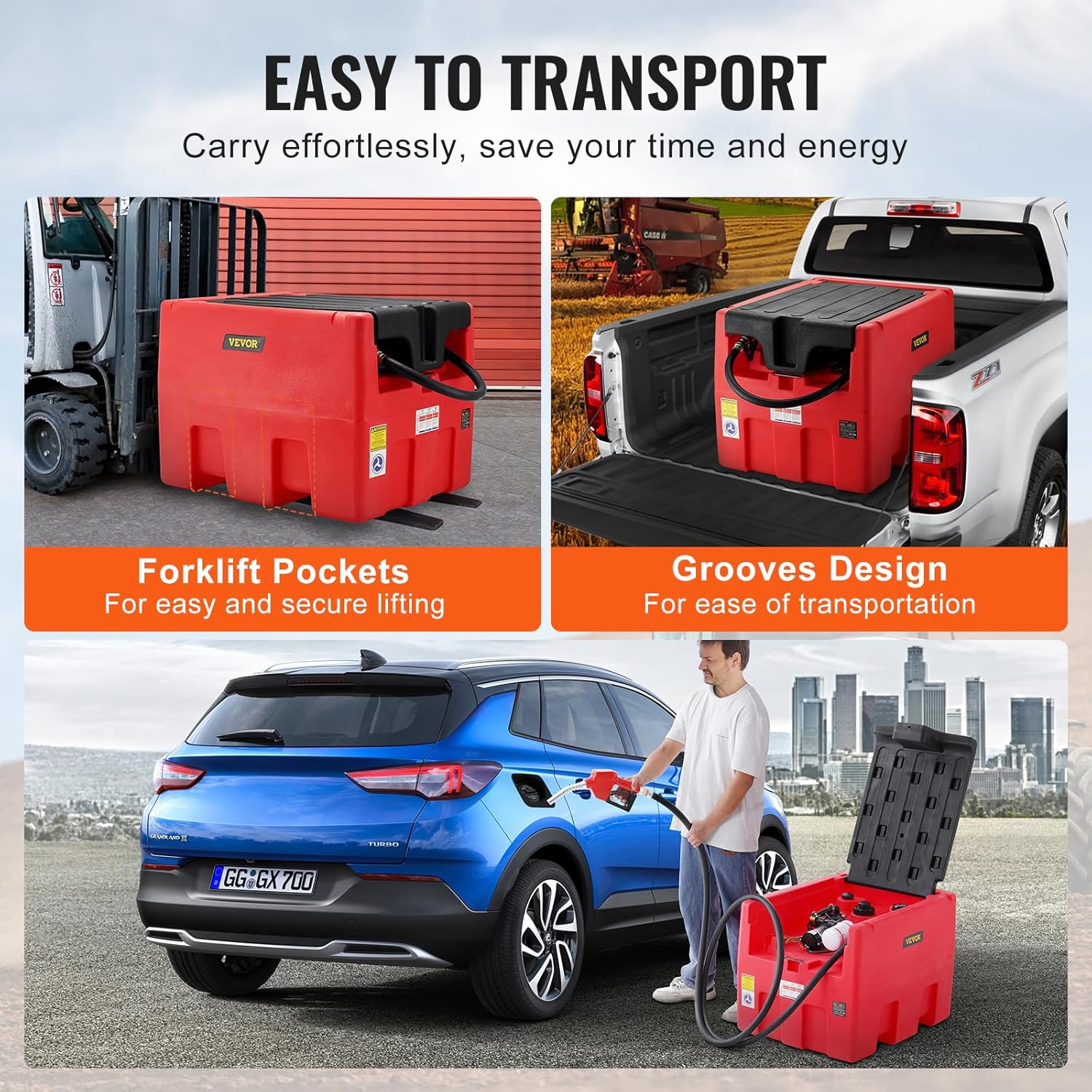
Figure 5: The tank is designed for effortless transportation with integrated forklift pockets for mechanical lifting and grooved sides for stable placement in truck beds or other vehicles.
4. Operating Instructions
Connecting to Power
- Ensure the pump's inline switch is in the OFF position before connecting to a power source.
- Connect the red battery clamp to the positive terminal of a 12V battery.
- Connect the black battery clamp to the negative terminal of the 12V battery.
- If transferring gasoline, attach the grounding wire to a bare metal part of the vehicle or equipment being fueled, ensuring a good electrical connection.
Fueling Process
- Open the tank lid and ensure the filler cap with vent is securely closed.
- Insert the automatic fueling nozzle into the fuel tank of the vehicle or equipment to be fueled.
- Flip the pump's inline switch to the ON position to start the fuel transfer.
- Hold the nozzle handle to maintain fuel flow. The nozzle will automatically shut off when the receiving tank is full.
- Once fueling is complete, release the nozzle handle and flip the pump's inline switch to the OFF position.
- Carefully remove the nozzle from the receiving tank and place it back into its designated storage area within the transfer tank.
- Disconnect the battery clamps and grounding wire (if used).
- Close and lock the tank lid.
Video 3: This video provides a detailed review and demonstration of the VEVOR Portable Diesel & Gasoline Tank, including its features and practical application for fueling vehicles.
Video 4: This video offers first impressions and a capability assessment of the VEVOR tank, demonstrating its functionality and ease of use.
5. Maintenance
Regular maintenance ensures the longevity and safe operation of your VEVOR fuel transfer tank.
- Filter Replacement: The duplex filter is designed to provide purer fuel. Regularly inspect the filter for signs of clogging or damage. Replace the filter every six months or sooner if flow rate decreases significantly.
- Hose Inspection: Periodically check the delivery hose for cracks, kinks, or wear. Replace immediately if any damage is found.
- Nozzle Cleaning: Keep the automatic fueling nozzle clean and free of debris. Ensure the self-shutoff mechanism is not obstructed.
- Electrical Connections: Inspect battery clamps and wiring for corrosion or damage. Clean terminals as needed and ensure secure connections.
- Tank Cleaning: If necessary, clean the exterior of the tank with a mild detergent and water. Avoid using harsh chemicals that could damage the polyethylene material.
- Storage: When not in use, store the tank with the lid closed and locked in a cool, dry, well-ventilated area.

Figure 6: The duplex filter system ensures clean fuel delivery by removing both large and tiny particles, metals, and colloids.
6. Troubleshooting
This section addresses common issues you might encounter with your fuel transfer tank.
| Problem | Possible Cause | Solution |
|---|---|---|
| Pump does not turn on | No power to pump; Loose battery connection; Blown fuse; Faulty switch | Check battery connections; Ensure battery is charged; Check inline fuse and replace if blown; Test the inline switch. |
| Low flow rate | Clogged filter; Kinked hose; Low battery voltage; Obstruction in pump/nozzle | Inspect and replace fuel filter; Straighten hose; Charge battery; Check for debris in pump or nozzle. |
| Fuel leakage | Loose connections; Damaged hose/nozzle; Tank damage | Tighten all hose and nozzle connections; Inspect hose and nozzle for damage and replace if necessary; Inspect tank for cracks. |
| Automatic nozzle does not shut off | Nozzle sensor obstructed; Faulty nozzle mechanism | Clean nozzle tip to ensure sensor is clear; If problem persists, replace nozzle. |
7. Specifications
| Feature | Specification |
|---|---|
| Brand | VEVOR |
| Model Number | YDIES 200L-G |
| Capacity | 48 Gallons |
| Fuel Type Compatibility | Diesel & Gasoline |
| Pump Voltage | DC-12V |
| Delivery Flow Rate | 10.6 GPM |
| Hose Length | 13.1 ft (4 m) |
| Power Cord Length | 13.1 ft (4 m) |
| Material | Polyethylene (PE) |
| Product Dimensions (L x W x H) | 31.5 x 24.8 x 23 inches (800 x 630 x 585 mm) |
| Item Weight | 55.6 pounds |
| UPC | 197988581529 |

Figure 7: Dimensional drawing of the VEVOR 48 Gallon Portable Diesel & Gasoline Transfer Tank, providing key measurements for planning placement and transport.
8. Warranty and Support
VEVOR products are designed for durability and performance. For specific warranty details, please refer to the warranty card included with your product or visit the official VEVOR website.
If you encounter any issues or have questions regarding the operation, maintenance, or troubleshooting of your VEVOR 48 Gallon Portable Diesel & Gasoline Transfer Tank, please contact VEVOR customer support. Our team is available to assist you with any concerns.
Contact Information: Please refer to your product packaging or the VEVOR official website for the most up-to-date customer support contact details.