
1. Important Safety Information
Read and understand all safety warnings and instructions before operating this product. Failure to follow these instructions may result in fire, explosion, electric shock, or serious injury.
- Fuel Type: This tank is designed exclusively for diesel fuel. Do not use with gasoline, kerosene, or other flammable liquids.
- Ventilation: Always operate in a well-ventilated area. Avoid enclosed spaces where fumes can accumulate.
- Ignition Sources: Keep away from open flames, sparks, pilot lights, and any other ignition sources. Do not smoke while operating.
- Electrical Connections: Ensure all electrical connections are secure and properly grounded to prevent static discharge and sparks.
- Spill Prevention: Always use the automatic fueling nozzle to prevent overfilling and spills. Have absorbent materials readily available in case of a spill.
- Personal Protective Equipment (PPE): Wear appropriate PPE, including safety glasses and gloves, when handling fuel.
- Children and Pets: Keep children and pets away from the fuel transfer area.
2. Product Overview and Components
The VEVOR Portable Fuel Tank is designed for efficient and safe transfer of diesel fuel. It features a robust polyethylene construction, an electric transfer pump, and an automatic fueling nozzle.

Figure 2.1: VEVOR 48 Gallon Portable Fuel Tank (Orange)
Key Components:
- Fuel Tank: 48-gallon capacity, constructed from high-quality, UV-resistant polyethylene. Features thick walls for durability and a lockable lid for security.
- Electric Transfer Pump: 12V DC pump with a flow rate of 10.6 GPM (Gallons Per Minute) for fast and efficient fuel transfer.
- Automatic Fueling Nozzle: Designed to automatically shut off when the receiving tank is full, preventing spills and overfilling. Features a rotatable adapter to prevent hose kinking.
- Delivery Hose: 13.1 ft (4 m) long hose for extended reach.
- Duplex Filter System: Includes an inner net filter for large impurities and an outer premium filter for fine particles, metals, and colloids, ensuring clean fuel delivery.
- Mechanical Fuel Gauge: Monitors the fuel level within the tank.
- Battery Clamps: For connecting the pump to a 12V power source (e.g., vehicle battery).
- Lockable Lid: Secures the pump and nozzle components within the tank.
- Forklift Pockets & Grooves: Integrated design for easy and secure transportation using a forklift or by hand.

Figure 2.2: Detailed view of internal components and features.
3. Setup
Before first use, carefully inspect all components for damage. Ensure all connections are tight to prevent leaks.
- Positioning the Tank: Place the portable fuel tank on a stable, level surface. Utilize the integrated forklift pockets or grooves for safe transport and positioning.
- Check Connections: Verify that all hoses, fittings, and the fuel filter are securely tightened. It is recommended to re-seal all fittings before initial use to prevent potential leaks, as noted by some users.
- Electrical Connection:
- Connect the red alligator clip to the positive (+) terminal of a 12V battery.
- Connect the black alligator clip to the negative (-) terminal of the 12V battery.
- Ensure the inline fuse is properly seated in its holder.
- Grounding: For safety, especially when transferring fuel, ensure the tank and the receiving equipment are properly grounded to prevent static electricity buildup. The unit includes a grounding clamp for this purpose.
- Filling the Tank: Open the main fill cap and carefully fill the tank with diesel fuel. Monitor the mechanical fuel gauge to avoid overfilling.

Figure 3.1: Forklift pockets and grooves for easy transportation.
Video 3.1: Demonstrates the setup and initial use of the VEVOR Portable Diesel Tank, including battery connection and pump operation.
4. Operating Instructions
Follow these steps for safe and efficient fuel transfer:
- Prepare for Transfer:
- Ensure the tank is securely positioned and electrically connected.
- Remove the automatic fueling nozzle from its storage position.
- Insert the nozzle into the fuel tank of the equipment to be refueled.
- Start the Pump: Locate the inline power switch on the pump's electrical cable and switch it to the "ON" position. The pump will begin transferring fuel.
- Monitor Fueling: The automatic fueling nozzle is designed to shut off when the receiving tank is full. Listen for the click indicating shut-off. Do not attempt to override the automatic shut-off mechanism.
- After Fueling:
- Once the nozzle has shut off, switch the pump to the "OFF" position.
- Carefully remove the nozzle from the equipment's fuel tank.
- Return the nozzle and hose to their designated storage areas within the portable tank.
- Secure the tank lid with the provided lock.
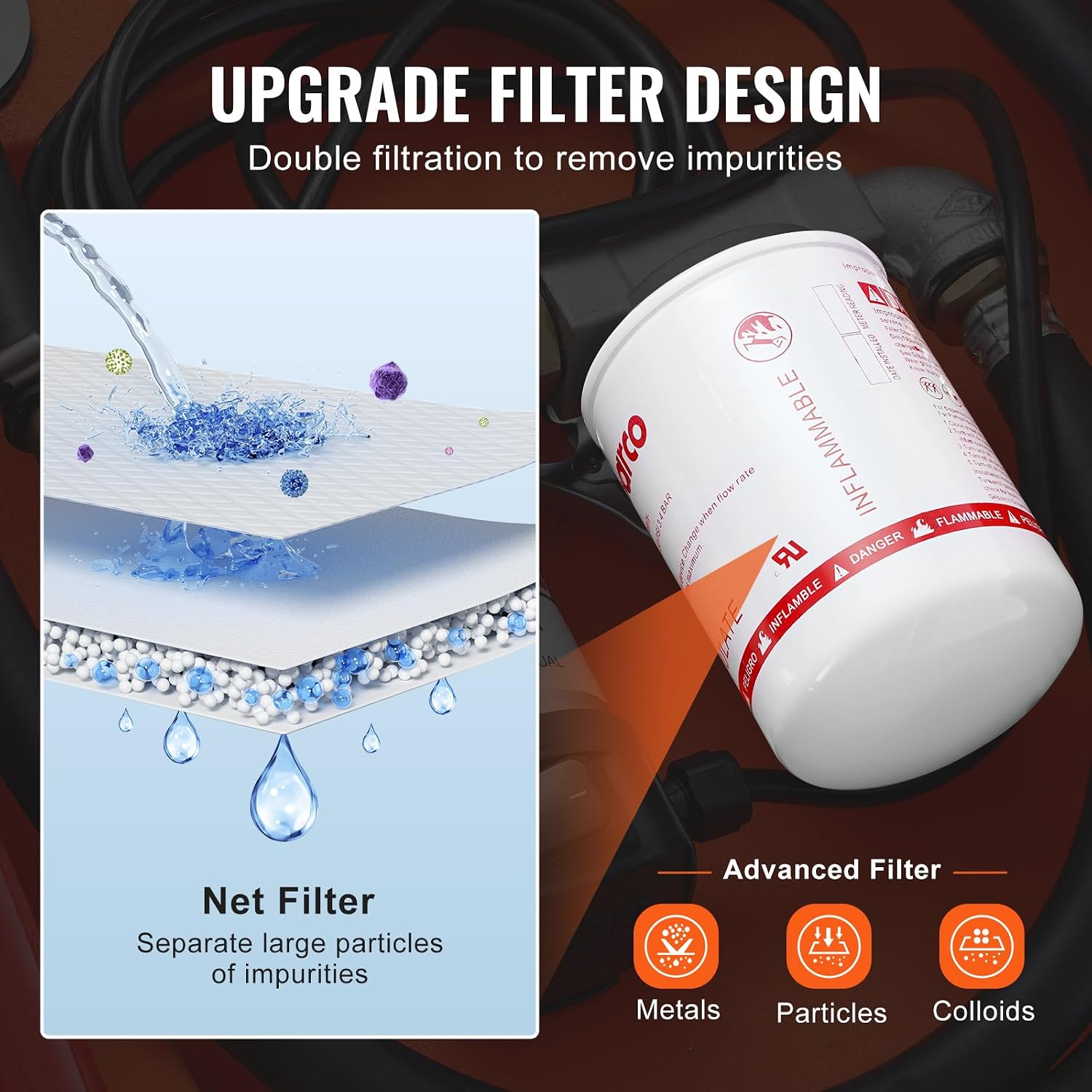
Figure 4.1: Automatic fueling nozzle in operation, preventing overfilling.
Video 4.1: Demonstrates the VEVOR Portable Diesel Tank in use, showing the fueling process for a tractor.
5. Maintenance
Regular maintenance ensures optimal performance and longevity of your VEVOR Portable Fuel Tank.
- Filter Replacement: The duplex filter system ensures clean fuel. Regularly inspect the filters and replace them as needed, or at least every six months, to maintain efficient filtration and pump performance.
- Hose and Nozzle Inspection: Periodically check the delivery hose and automatic nozzle for any signs of wear, cracks, or damage. Replace damaged components immediately.
- Tank Cleaning: If necessary, clean the interior of the tank to remove any sediment or contaminants. Ensure proper disposal of waste fuel.
- Electrical System Check: Inspect battery clamps and wiring for corrosion or damage. Ensure secure connections.

Figure 5.1: Duplex filter system for enhanced fuel purity.
6. Troubleshooting
If you encounter issues with your VEVOR Portable Fuel Tank, refer to the following common troubleshooting tips:
- Pump Not Priming/Low Flow:
- Check the fuel level in the tank.
- Ensure all hose connections are tight and there are no air leaks.
- Inspect the fuel filter for clogging and replace if necessary.
- Verify battery connections are secure and the battery has sufficient charge.
- Fuel Leaks:
- Immediately stop operation and identify the source of the leak.
- Tighten all fittings, especially around the pump and filter. Some users have noted that factory-installed fittings may require additional tightening or re-sealing.
- Inspect hoses and the nozzle for damage.
- Automatic Nozzle Not Shutting Off:
- Ensure the nozzle is fully inserted into the receiving tank's fill neck.
- Check for any obstructions in the nozzle's sensing mechanism.
- Power Interruption:
- Check the inline fuse. Replace if blown (ensure correct amperage).
- Verify battery connections and power switch are functioning correctly.
7. Specifications
| Feature | Specification |
|---|---|
| Item Model Number | YDIES200L-E |
| Capacity | 48 Gallons (182 Liters) |
| Applicable Fuel Type | Diesel |
| Delivery Pump Voltage | DC-12V |
| Delivery Flow Rate | 10.6 GPM |
| Rotation Speed | 2600 RPM |
| Hose Length | 13.1 ft / 4 m |
| Power Cord Length | 13.1 ft / 4 m |
| Product Size (L x W x H) | 31.5 x 24.8 x 23 inches (800 x 630 x 585 mm) |
| Material | High Density Polyethylene (HDPE) |
| Item Weight | 55.6 pounds |

Figure 7.1: Product dimensions and key specifications.
8. Warranty and Support
VEVOR products are designed for durability and performance. For warranty information, technical support, or to purchase replacement parts, please visit the official VEVOR website or contact their customer service directly.
VEVOR Official Website: www.vevor.com
Refer to your purchase documentation for specific warranty terms and conditions.