
1. Introduction
This manual provides essential information for the safe and effective installation, operation, and maintenance of your H-YEEU 150CC 4-Stroke GY6 Short Case Single Cylinder Engine. Please read this manual thoroughly before attempting any procedures to ensure proper handling and to prevent damage or injury. Retain this manual for future reference.
2. Safety Information
Always prioritize safety when working with engines. Failure to follow safety instructions can result in serious injury or property damage.
- Read the Entire Manual: Understand all instructions and warnings before installation or operation.
- Professional Installation Recommended: Engine installation and maintenance should ideally be performed by qualified technicians.
- Personal Protective Equipment (PPE): Always wear appropriate safety gear, including gloves, eye protection, and sturdy footwear.
- Ventilation: Ensure adequate ventilation when working with fuel or operating the engine to prevent carbon monoxide poisoning.
- Fuel Handling: Handle gasoline with extreme care. It is highly flammable. Store in approved containers away from ignition sources.
- Hot Surfaces: Engines become very hot during operation. Allow the engine to cool completely before performing any maintenance.
- Electrical Safety: Disconnect the battery before working on electrical components.
- Secure Fasteners: Ensure all bolts and fasteners are tightened to the manufacturer's specifications.
3. Product Overview and Components
The H-YEEU 150CC 4-Stroke GY6 Short Case Single Cylinder Engine is designed for 2-wheel scooters. It is an air-cooled engine featuring a Continuously Variable Transmission (CVT) system.

Figure 3.1: Overview of the H-YEEU 150CC 4-Stroke GY6 Short Case Single Cylinder Engine. This image displays the complete engine assembly, including the starter motor, cooling fan cover, and transmission casing.
Included Components:
The complete engine set includes the following:
- 1* 150CC Short Case Single Cylinder Engine
- Carburetor
- CDI (Capacitor Discharge Ignition) unit
- Ignition Coil
- Starter Solenoid
- Rectifier

Figure 3.2: Detailed view of the engine and its accompanying components. This image highlights the main engine unit along with the carburetor, relay, igniter, ignition coil, and rectifier, which are all part of the complete set.
Key Features:
- 4-Stroke Design: Provides good heat dissipation to prevent overheating.
- CVT System: Consists mainly of two transmission pulleys and two transmission belts, offering seamless shifting and smooth acceleration.
- Air Cooled: Efficient air cooling system.

Figure 3.3: Close-up of the engine's cooling fan cover. This component is crucial for directing airflow to dissipate heat from the engine, ensuring optimal operating temperatures.
4. Setup and Installation
This engine is specifically designed for 150CC GY6 engine size two-wheeled scooters. It is not suitable for go-karts unless modifications are made to accommodate the short axle and lack of reverse gear.
Compatibility:
- Compatible only with 150CC GY6 engine size two-wheeled scooters.
- Not suitable for go-karts without additional reverse gear installation.
- Features a short axle and short box design.
Installation Steps (General Guidance):
- Preparation: Ensure the scooter is on a stable stand, and the battery is disconnected. Drain any existing fluids from the old engine.
- Removal of Old Engine: Carefully disconnect all hoses, cables, and mounting bolts from the old engine. Remove the old engine from the scooter frame.
- Mounting the New Engine: Position the H-YEEU engine into the scooter frame. Secure it using appropriate mounting hardware. Ensure all mounting points are aligned and tightened correctly.
- Connecting Components:
- Install the carburetor, CDI, ignition coil, starter solenoid, and rectifier as per the scooter's wiring diagram and engine specifications.
- Connect fuel lines, vacuum lines, and electrical wiring.
- Ensure all connections are secure and free from leaks or shorts.
- Fluid Filling: Fill the engine with the recommended type and amount of engine oil. Refer to your scooter's service manual for oil specifications.
- Pre-Start Checks: Double-check all connections, fluid levels, and fastener torques before attempting to start the engine.

Figure 4.1: Close-up view of the engine's output shaft. This shaft connects to the scooter's rear wheel assembly, transmitting power from the engine through the CVT system.
5. Operating Instructions
Once the engine is properly installed and all pre-start checks are completed, you can proceed with starting and operating the scooter.
Starting the Engine:
- Ensure the fuel tank has sufficient gasoline (RQ90 and above recommended).
- Turn the ignition key to the 'ON' position.
- Apply the brake lever (usually left) and press the electric start button.
- If the engine does not start immediately, release the button, wait a few seconds, and try again. Avoid prolonged cranking.
- Allow the engine to warm up for a few minutes before riding, especially in colder conditions.
CVT Operation:
The Continuously Variable Transmission (CVT) system provides automatic, seamless gear ratio changes. There is no manual shifting required. The engine's RPM will adjust to maintain optimal power delivery based on speed and load.
6. Maintenance
Regular maintenance is crucial for the longevity and optimal performance of your engine. Refer to your scooter's service manual for specific maintenance schedules.
Key Maintenance Tasks:
- Engine Oil: Check oil level regularly and change according to the scooter manufacturer's recommendations (typically every 1,000-2,000 miles or annually). Use recommended oil type.
- Air Filter: Inspect and clean or replace the air filter element periodically. A clogged air filter can reduce engine performance and fuel efficiency.
- Spark Plug: Inspect the spark plug for wear and proper gap. Replace as needed.
- Fuel System: Inspect fuel lines for cracks or leaks. Ensure the carburetor is clean and functioning correctly.
- Cooling System: Ensure the air cooling fins and fan cover are free from debris to maintain efficient cooling.
- Fasteners: Periodically check and tighten all engine mounting bolts and other fasteners.
- CVT Belt: Inspect the CVT belt for wear and tension. Replace if worn or damaged.
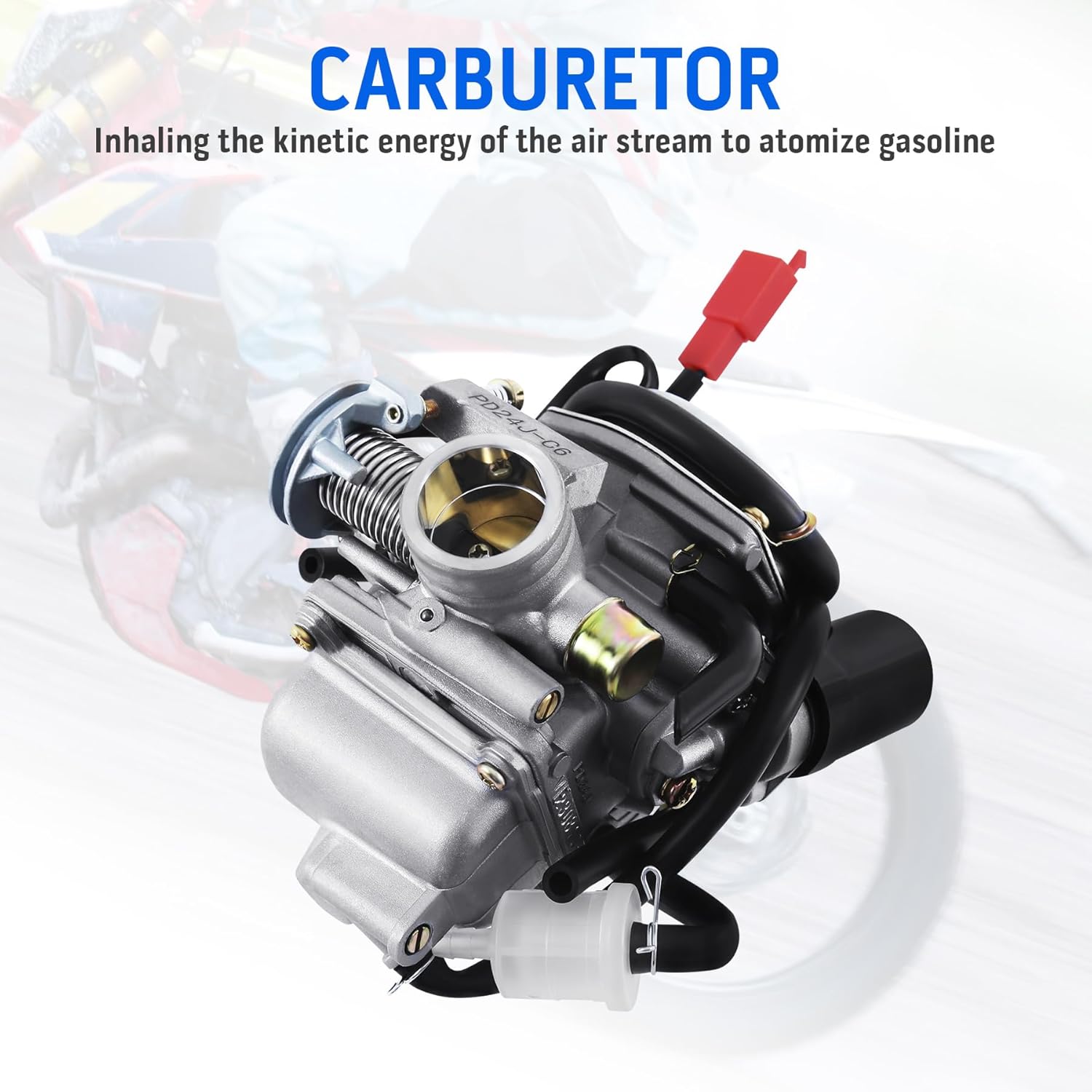
Figure 6.1: Close-up view of the engine's carburetor. The carburetor is responsible for mixing air and fuel in the correct proportions for combustion. Regular inspection and cleaning are vital for optimal engine performance.
7. Troubleshooting
This section provides solutions to common issues you might encounter. For complex problems, consult a qualified mechanic.
| Problem | Possible Cause | Solution |
|---|---|---|
| Engine will not start | No fuel Weak battery Faulty spark plug Carburetor issues CDI/Ignition coil failure | Check fuel level Charge/replace battery Inspect/replace spark plug Clean carburetor Test/replace CDI/coil |
| Engine runs poorly/lacks power | Clogged air filter Dirty carburetor Incorrect spark plug gap Low compression | Clean/replace air filter Clean carburetor Adjust/replace spark plug Consult a mechanic |
| Excessive smoke from exhaust | Burning oil Rich fuel mixture | Check oil level/engine wear Adjust carburetor/check air filter |
| Engine overheating | Blocked cooling fins Low oil level Prolonged high load | Clean cooling fins/fan cover Check/add engine oil Reduce load/allow cooling |

Figure 7.1: Close-up view of the CDI unit and starter relay. These electrical components are critical for engine ignition and starting. Malfunctions here can lead to starting issues.
8. Specifications
Detailed technical specifications for the H-YEEU 150CC 4-Stroke GY6 Short Case Single Cylinder Engine.

Figure 8.1: Engine dimensions and key specifications. This diagram provides a visual representation of the engine's physical size and lists important performance parameters.
| Parameter | Value |
|---|---|
| Model Number | HY-MP0003502-US |
| Engine Type | 4-Stroke, Single Cylinder, Air Cooled |
| Cylinder Volume | 149.5ml |
| Piston Diameter | 57.4mm |
| Piston Stroke | 57.8mm |
| Power | 6kW/7500r/min |
| Rated Power | 5.2kW/7000r/min |
| Torque | 7.6N.M/6500r/min |
| Displacement | 125cc |
| Carburetor | PD24J |
| Gasoline Type | RQ90 and above |
| Clutch System | Automatic Centrifuge |
| Initiating Mode | Electric/Kick |
| Ignition System | CDI |
| Spark Plug Model | A7TC |
| Min Noload Speed | 1700±170r/min |
| Compression Ratio | 9.2:1 |
| Min Fuel Consumption | 367g/kw.h±10% |
| Ignition Advance Angle | 13°±2°/28°±2°(4000r/min) |
| Product Dimensions | 24.8 x 18.11 x 9.44 inches (63 x 46 x 24 cm) |
| Item Weight | 63.3 Pounds (28.7 kg) |
| Material | Iron |
9. Warranty and Support
For warranty information and customer support, please refer to the terms provided at the point of purchase or contact the manufacturer directly. This product typically includes a 30-day easy return policy from the seller.
For technical assistance or inquiries regarding your H-YEEU engine, please contact H-YEEU customer support through their official channels.