
FCPLEXSW CY3B63-300
CY3B63 Series Magnetic Coupling Rodless Cylinder User Manual
Model: CY3B63-300 | Brand: FCPLEXSW
Introduction
This manual provides essential information for the safe and efficient operation, installation, and maintenance of the FCPLEXSW CY3B63 Series Magnetic Coupling Rodless Cylinder. This pneumatic cylinder is designed for applications requiring linear motion without an external rod, utilizing a magnetic coupling to transmit force from the internal piston to an external carriage. Please read this manual thoroughly before installation and use.
Safety Information
Always adhere to the following safety guidelines to prevent injury and damage to the equipment:
- Ensure all pneumatic connections are secure and leak-free before applying pressure.
- Never exceed the maximum rated operating pressure for the cylinder.
- Disconnect air supply and relieve all pressure before performing any maintenance or adjustments.
- Keep hands and clothing clear of moving parts during operation.
- Install the cylinder in a stable and secure manner to prevent accidental displacement.
- Use appropriate personal protective equipment (PPE) such as safety glasses.
Product Overview
The CY3B63 series rodless cylinder features a compact design, ideal for space-constrained applications. It operates by using magnetic forces to couple the internal piston to an external carriage, providing smooth and precise linear motion. The cylinder body is constructed from high-pressure aluminum alloy, ensuring durability and reliability.
Components
- Cylinder Body: The main housing of the pneumatic cylinder.
- External Carriage: The moving part that attaches to the load, magnetically coupled to the internal piston.
- Air Ports: Connections for pneumatic supply and exhaust.
- Mounting Holes: For securing the cylinder to a fixture.

Figure 1: Overall view of the CY3B63 magnetic coupling rodless cylinder, showing the main body and the external carriage.

Figure 2: Close-up view illustrating the magnetic coupling mechanism and the smooth rod surface.
Setup
Follow these steps for proper installation of your rodless cylinder:
- Mounting: Securely fasten the cylinder to a rigid, flat surface using the designated mounting holes. Ensure the cylinder is aligned correctly with the intended path of motion.
- Pneumatic Connections: Connect the air supply lines to the cylinder's air ports. Use appropriate fittings and ensure all connections are tight to prevent air leaks.
- Load Attachment: Attach the load to the external carriage. Ensure the load is balanced and does not exert excessive side loads on the carriage.
- Initial Pressure Check: Slowly introduce low-pressure air to the cylinder to check for any leaks or binding. Gradually increase pressure to the desired operating level.
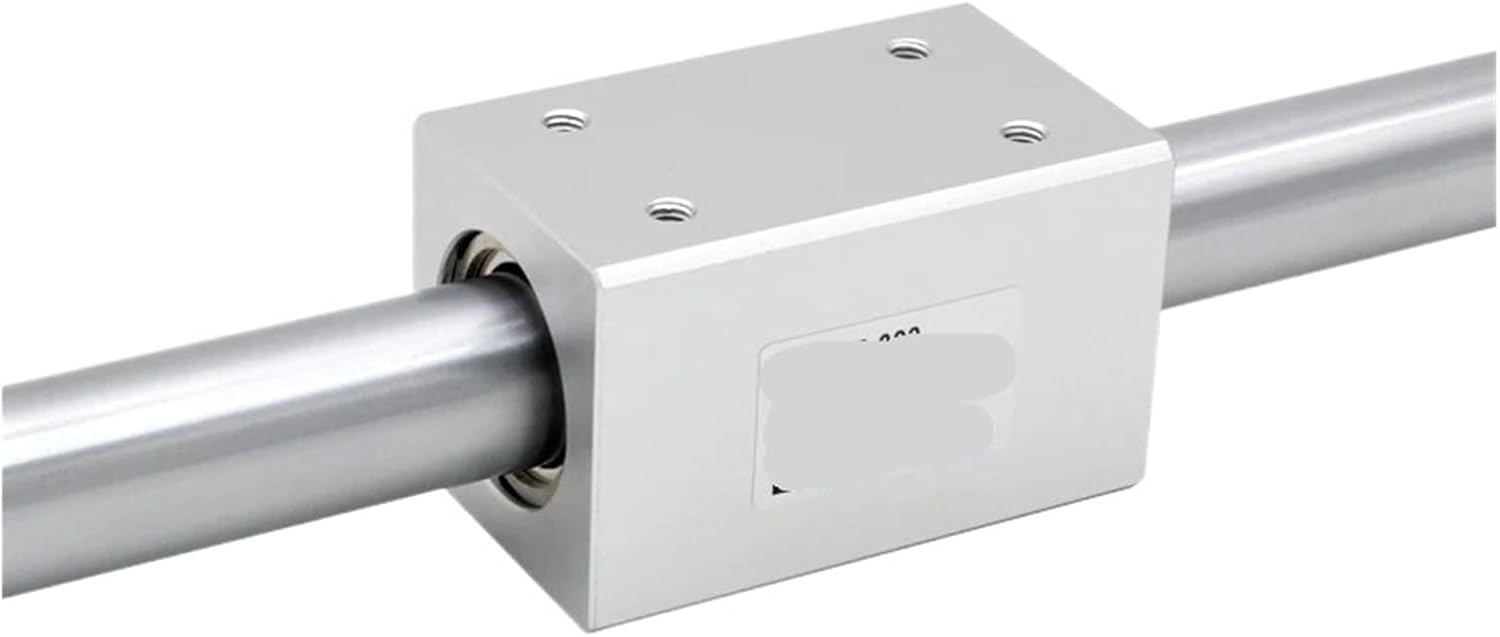
Figure 3: View of the cylinder highlighting the mounting points and pneumatic connection ports.
Operating Instructions
Once installed, the cylinder is ready for operation. The motion is controlled by directing pressurized air to the appropriate port.
- Air Pressure Adjustment: Adjust the air pressure regulator to achieve the desired force and speed. Start with lower pressure and gradually increase.
- Directional Control: Use a pneumatic directional control valve (not included) to switch the air flow between the two ports, causing the carriage to extend or retract.
- Speed Control: Flow control valves (not included) can be installed in the air lines to regulate the speed of the carriage movement.
- End-of-Stroke Cushioning: The cylinder may feature internal cushioning to absorb kinetic energy at the end of the stroke, reducing impact and noise.

Figure 4: The CY3B63 rodless cylinder shown in an extended position, demonstrating its linear motion capability.
Maintenance
Regular maintenance ensures optimal performance and extends the lifespan of your cylinder.
- Daily Inspection: Check for any visible signs of damage, air leaks, or unusual noises during operation.
- Cleanliness: Keep the cylinder body and carriage free from dust, dirt, and debris. A clean, dry cloth is usually sufficient.
- Air Quality: Ensure the compressed air supply is clean and dry, free of contaminants and excessive moisture, to prevent internal wear.
- Fastener Check: Periodically check all mounting fasteners and pneumatic fittings for tightness.
Troubleshooting
Refer to the table below for common issues and their potential solutions.
| Problem | Possible Cause | Solution |
|---|---|---|
| Cylinder does not move or moves slowly. | Insufficient air pressure; Restricted air flow; Magnetic decoupling due to overload. | Check air supply and regulator setting; Inspect air lines and fittings for blockages; Reduce load or verify cylinder sizing. |
| Air leaks from ports or seals. | Loose fittings; Damaged seals. | Tighten fittings; Inspect and replace damaged seals (contact manufacturer for service). |
| Erratic or jerky movement. | Inconsistent air pressure; Excessive side load; Contaminants in air supply. | Stabilize air pressure; Ensure load is balanced and aligned; Install air filter/dryer. |
Specifications
Key technical specifications for the CY3B63-300 model:
| Attribute | Value |
|---|---|
| Model Number | CY3B63-300 |
| Cylinder Diameter | 63mm |
| Material | Aluminum Alloy |
| Item Weight | 1.76 ounces |
| Package Dimensions | 1.18 x 0.79 x 0.39 inches |
| Assembly Required | No |
| Number of Pieces | 1 |
| Manufacturer | FCPLEXSW |
| Country of Origin | China |
Warranty and Support
This product is covered by a standard manufacturer's warranty against defects in materials and workmanship. For specific warranty terms, technical support, or service inquiries, please refer to the product packaging or contact your point of purchase. Ensure you have your model number (CY3B63-300) and purchase details ready when contacting support.
Ask a question about this manual
Ask about setup, troubleshooting, compatibility, parts, safety, or missing instructions. Manuals+ will review the question and use this page’s manual context to help answer it.