
1. Product Overview
This document provides essential information for the safe and effective use of the ALcorY Three-Phase Rectifier Bridge Fuse, models 62/16, 62/18, 62/04, and 62/12. This component integrates a three-phase rectifier bridge with an internal fuse, designed for converting alternating current (AC) into direct current (DC) in three-phase electrical systems while providing overcurrent protection.
It is crucial to read and understand all instructions and safety warnings before installation, operation, or maintenance.
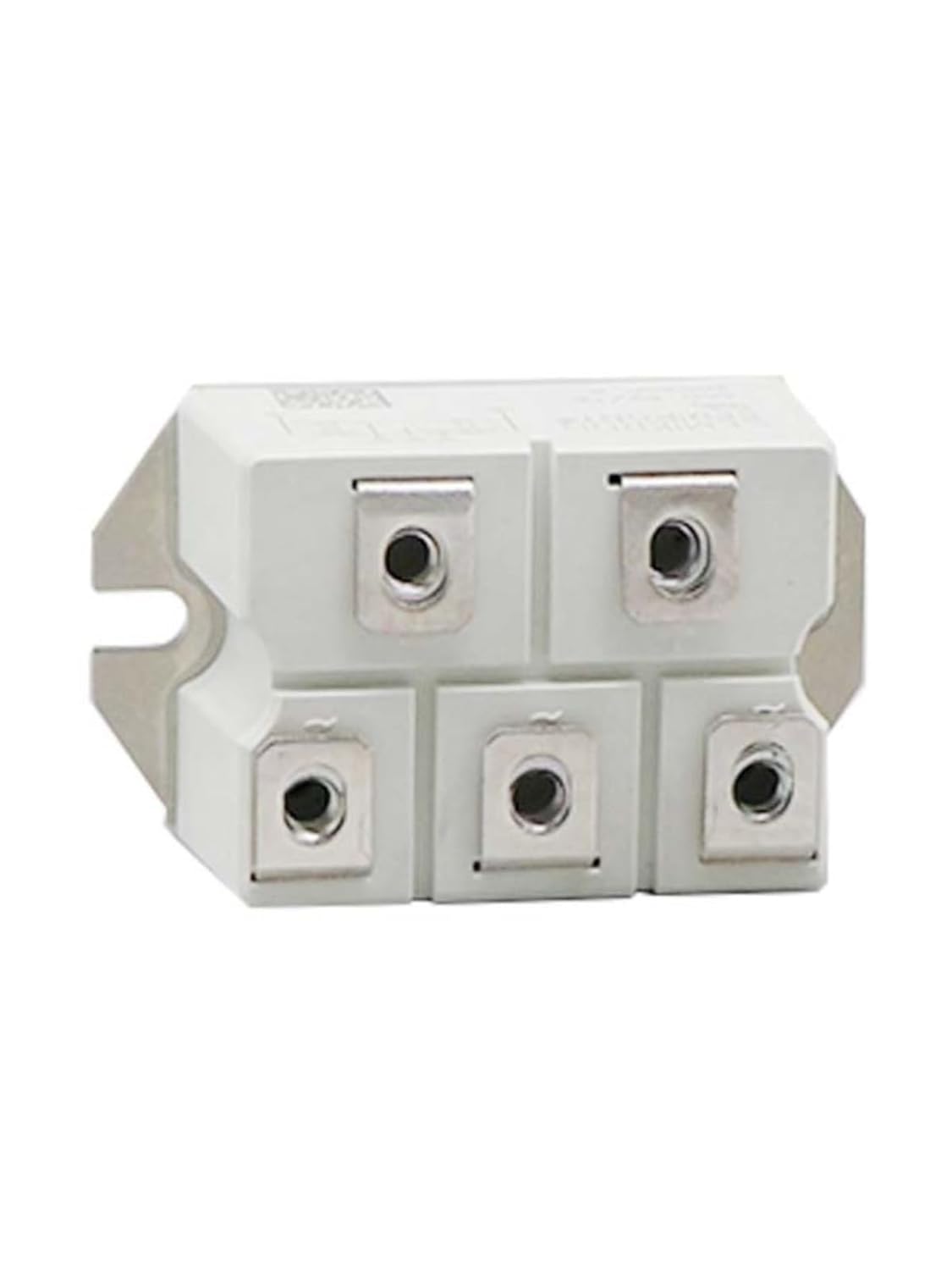
Figure 1: Front view of the ALcorY Three-Phase Rectifier Bridge Fuse, illustrating the robust housing and five screw terminals for electrical connections.
2. Technical Specifications
The following table details the key technical specifications for the ALcorY Three-Phase Rectifier Bridge Fuse:
| Specification | Value |
|---|---|
| Brand | ALcorY |
| Model Numbers | 62/16, 62/18, 62/04, 62/12 |
| Type | Three-Phase Rectifier Bridge Fuse |
| Package Dimensions | 1.18 x 0.79 x 0.39 inches (30 x 20 x 10 mm) |
| Item Weight | 1.76 ounces (50 grams) |
| Color | One Color (typically white/grey housing) |
| Manufacturer | ALcorY |

Figure 2: Side view of the fuse module, highlighting its compact dimensions and potential mounting points.
3. Installation Guidelines
WARNING: Installation must be performed by qualified personnel only. Ensure all power is disconnected before beginning any installation work. Failure to do so may result in serious injury or death.
- Power Disconnection: Before handling the fuse module, ensure that the main power supply to the circuit is completely disconnected and locked out according to established safety procedures. Verify zero voltage with appropriate testing equipment.
- Mounting: Securely mount the rectifier bridge fuse in a suitable enclosure or on a heatsink, if required by the application's thermal design. Use appropriate fasteners through the designated mounting holes. Ensure good thermal contact if mounting to a heatsink.
- Wiring Connections: Refer to the internal schematic diagram printed on the module for correct terminal identification. Connect the three-phase AC input lines to the designated AC terminals. Connect the DC output terminals to the load, observing correct polarity (+ and -). Ensure all connections are tight and secure to prevent arcing and overheating.
- Grounding: Ensure proper grounding of the enclosure and any associated equipment as per local electrical codes and standards.
- Verification: After installation, double-check all wiring connections for correctness and security.
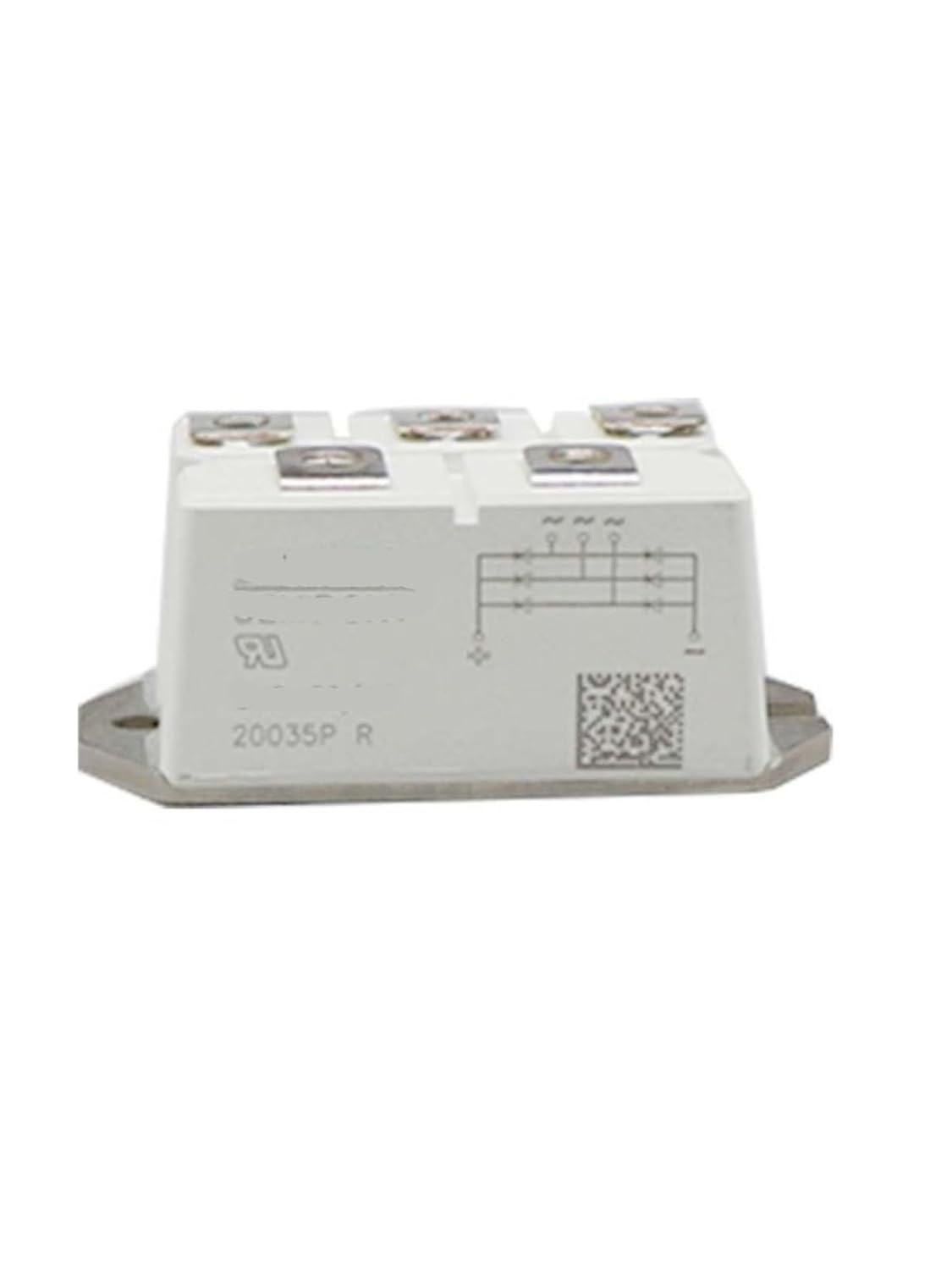
Figure 3: Top view of the fuse module, clearly showing the internal schematic diagram for correct wiring and terminal identification.
4. Application and Function
The ALcorY Three-Phase Rectifier Bridge Fuse is designed to convert three-phase alternating current (AC) into direct current (DC). It is commonly used in various industrial and power electronics applications where a stable DC power supply is required from a three-phase AC source.
The integrated fuse provides essential overcurrent protection for the rectifier bridge and the connected circuit. In the event of an overcurrent condition, the fuse will open, interrupting the circuit and preventing damage to the rectifier module and other downstream components. This self-contained protection simplifies circuit design and enhances system reliability.
Typical applications include:
- Industrial power supplies
- Motor drives and controls
- Battery charging systems
- Uninterruptible Power Supplies (UPS)
- Welding equipment
5. Maintenance and Safety
The ALcorY Three-Phase Rectifier Bridge Fuse is a sealed component and requires no routine maintenance. However, periodic inspection of the installation environment and connections is recommended to ensure continued safe operation.
Safety Precautions:
- Always disconnect and lock out power before inspecting or working near the module.
- Do not exceed the specified voltage and current ratings. Overloading can cause the fuse to blow and potentially damage the rectifier.
- Ensure adequate ventilation and heat dissipation, especially in high-power applications.
- Protect the module from moisture, dust, and corrosive environments.
- Handle with care to avoid mechanical damage to the housing or terminals.
6. Troubleshooting
As a protective component, the primary "troubleshooting" for an integrated fuse rectifier involves identifying if the internal fuse has blown and replacing the entire module if it has.
Symptoms of a Blown Fuse:
- No DC output voltage from the module.
- Loss of power to the connected load.
- Visual inspection may reveal signs of overheating or damage to the module (though often not visible externally for internal fuses).
Troubleshooting Steps:
- Disconnect Power: Absolutely ensure all power is off and verified before proceeding.
- Inspect Connections: Check all wiring connections for looseness, corrosion, or damage.
- Test for Continuity: Using a multimeter, test for continuity across the AC input terminals and the DC output terminals. A lack of continuity (open circuit) on the input side or between input and output terminals may indicate a blown internal fuse or rectifier failure.
- Identify Cause: If the fuse is blown, it indicates an overcurrent condition. Investigate the connected load and circuit for shorts, overloads, or other faults that caused the overcurrent. Simply replacing the module without addressing the root cause will likely result in another failure.
- Replacement: If the module is confirmed to be faulty (e.g., blown fuse), it must be replaced with an identical ALcorY Three-Phase Rectifier Bridge Fuse of the same model number and ratings.
7. Important Safety Information
This product operates with high voltages and currents. Improper handling or installation can lead to severe injury, electric shock, fire, or death. Adhere strictly to all safety guidelines.
- Always wear appropriate Personal Protective Equipment (PPE), including insulated gloves and safety glasses, when working with electrical systems.
- Do not touch live terminals or components.
- Ensure the product is used within its specified electrical ratings (voltage, current, temperature).
- Do not modify the product in any way. Unauthorized modifications can compromise safety and performance.
- Keep children and unauthorized personnel away from electrical installations.
- In case of fire, use a Class C (electrical) fire extinguisher. Do not use water.