1. Introduction
This user manual provides comprehensive instructions for the installation, operation, and maintenance of the Dahua NVR4116HS-4KS3 Network Video Recorder. Please read this manual thoroughly before using the device to ensure proper and safe operation. Keep this manual for future reference.
2. Important Safety Information
To prevent injury to the user or others and property damage, the following instructions must be observed. Failure to follow these instructions may result in personal injury or property damage.
- Power Supply: Use only the power adapter supplied with the device. Ensure the power voltage is stable and meets the device's requirements.
- Ventilation: Do not block any ventilation openings. Install the device in a well-ventilated area to prevent overheating.
- Environment: Avoid exposing the device to extreme temperatures, humidity, dust, or direct sunlight. Do not place heavy objects on the device.
- Handling: Handle the device with care. Do not drop or subject it to strong vibrations.
- Servicing: Do not attempt to disassemble or repair the device yourself. Refer all servicing to qualified personnel.
- Cleaning: Disconnect the power before cleaning. Use a soft, dry cloth. Do not use liquid or aerosol cleaners.
3. Package Contents
Please check the package contents upon opening. If any items are missing or damaged, contact your vendor immediately.
- Dahua NVR4116HS-4KS3 Network Video Recorder Unit
- Power Adapter
- USB Mouse
- Screws for HDD Installation (if applicable)
- Quick Start Guide / User Manual (this document)
4. Product Overview
The Dahua NVR4116HS-4KS3 is a 16-channel Network Video Recorder designed for surveillance systems. It supports 4K resolution and provides robust recording and management capabilities.
4.1 Front Panel

Figure 4.1: Front view of the NVR unit.
The front panel typically includes status indicators (Power, HDD, Network) and a USB port for connecting a mouse or USB storage devices.
4.2 Rear Panel

Figure 4.2: Rear view of the NVR unit with ports.
The rear panel provides all necessary connection ports:
- Power Input: For connecting the power adapter.
- LAN Port (RJ45): For network connection to a router or switch.
- HDMI Output: For connecting to a monitor or TV for high-definition video output.
- VGA Output: For connecting to a monitor or TV for standard video output.
- USB Ports: For connecting a mouse, keyboard, or external storage.
- Audio In/Out: For connecting external audio devices (microphones, speakers).
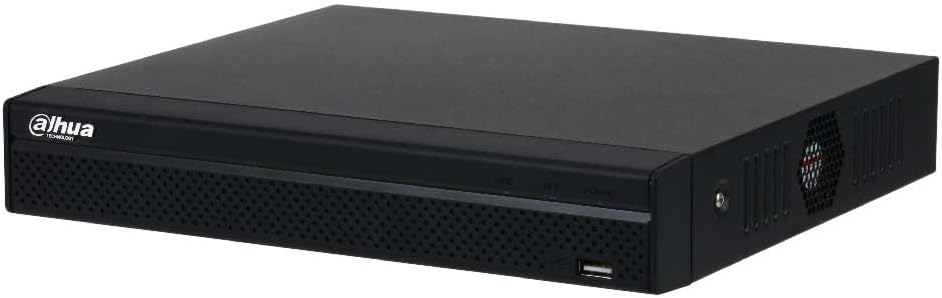
Figure 4.3: Angled view of the NVR unit.
This image provides an additional perspective of the NVR unit, showcasing its compact design and ventilation features.
5. Setup
Follow these steps to set up your NVR system.
5.1 Hardware Installation
- Install Hard Drive (if not pre-installed):
- Unscrew and remove the NVR cover.
- Connect the SATA data and power cables from the NVR to the HDD.
- Secure the HDD to the NVR chassis using the provided screws.
- Replace the NVR cover and secure it with screws.
- Connect Monitor: Connect a monitor to the NVR's HDMI or VGA output port.
- Connect Mouse: Plug the USB mouse into any available USB port on the NVR.
- Connect Network: Connect an Ethernet cable from the NVR's LAN port to your router or network switch.
- Connect Cameras: Connect your IP cameras to the same network as the NVR. Ensure they are powered on.
- Connect Power: Plug the power adapter into the NVR's power input and then into a power outlet. The NVR will power on automatically.
5.2 Initial Configuration
Upon first boot, the NVR will guide you through an initial setup wizard. Follow the on-screen prompts to:
- Set up administrator password.
- Configure date and time.
- Set network parameters (DHCP recommended for most home users).
- Initialize the hard drive (if newly installed).
- Search for and add IP cameras.
6. Operating the NVR
6.1 Live View
After initial setup, the NVR will display the live view of connected cameras. You can switch between single-camera view and multi-camera grid view.
6.2 Recording Configuration
Access the main menu (right-click on live view) and navigate to Storage > Schedule to configure recording settings. You can set continuous recording, motion detection recording, or alarm recording schedules for each camera.
6.3 Playback
From the main menu, select Playback. Choose the camera(s), date, and time range to review recorded footage. Use the timeline and playback controls to navigate through recordings.
6.4 Network Access and Remote Viewing
The NVR can be accessed remotely via a web browser or a dedicated mobile application (e.g., DMSS app). Ensure the NVR is connected to the internet and port forwarding or P2P (Peer-to-Peer) service is enabled for remote access. Refer to the NVR's network settings for details on P2P or DDNS configuration.
7. Maintenance
7.1 Regular Cleaning
Periodically clean the NVR's exterior with a soft, dry cloth. Ensure ventilation openings are free from dust and debris to maintain proper airflow.
7.2 Firmware Updates
Check the official Dahua website for the latest firmware updates. Firmware updates can improve performance, add new features, and fix bugs. Follow the instructions provided with the firmware update carefully to avoid damaging the device.
7.3 Hard Drive Management
Regularly check the hard drive status in the NVR's system settings. If the hard drive is full, the NVR will typically overwrite the oldest recordings. Consider backing up important footage before it is overwritten.
8. Troubleshooting
This section addresses common issues you might encounter with your NVR.
- No Power:
Ensure the power adapter is securely connected to the NVR and the power outlet. Verify the power outlet is functional. Try a different power outlet.
- No Video Output on Monitor:
Check HDMI/VGA cable connections. Ensure the monitor is powered on and set to the correct input source. Try a different monitor or cable. If the NVR boots but shows no display, try restarting it.
- Cameras Not Displaying:
Verify that cameras are powered on and connected to the network. Check network cables. Ensure cameras have valid IP addresses and are added correctly to the NVR. Check camera compatibility with the NVR.
- No Recording:
Check if the hard drive is installed and initialized. Verify recording schedules are configured correctly. Ensure there is sufficient disk space. Check camera status; if a camera is offline, it cannot record.
- Remote Access Not Working:
Ensure the NVR has internet access. Verify P2P or port forwarding settings are correct on both the NVR and your router. Check firewall settings on your network.
If the issue persists, refer to the full user manual available on the Dahua support website or contact technical support.
9. Specifications
| Feature | Detail |
|---|---|
| Brand | DAHUA |
| Model | NVR4116HS-4KS3 (M0306764) |
| Dimensions (L x W x H) | 29.75 x 25.6 x 20.15 cm |
| Weight | 500 g |
| Number of Channels | 16 |
| Digital Video Media Format | SD Card (Note: Internal HDD for primary storage) |
| Power Requirements | Requires power adapter (EU Plug type) |
| Batteries Required | No |
10. Warranty and Support
For warranty information, please refer to the warranty card included with your product or visit the official Dahua website. Technical support is available through Dahua's customer service channels. Please have your product model and serial number ready when contacting support.
For the most up-to-date information and additional resources, please visit the official Dahua Technology website: www.dahuasecurity.com


