
1. Introduction
The Myung Youn Electronics DPS MY-PS-30 is a Digital Phase Converter designed to convert single-phase 200V-240V power into three-phase 200V-240V power. This allows for the operation of 3-phase motors in environments where only single-phase power is available. The MY-PS-30 model is specifically engineered for use with 25HP (18.5kW) 75A 3-phase motors.
Key features of the DPS MY-PS-30 include:
- Converts single-phase to 3-phase power.
- Simple connection and ease of use.
- Compact size and lightweight design.
- Maintains 3-phase power supply even after motor startup.
- UL Listed (UL-US-2328605-1, UL-CA-2324527-1) for safety and quality.
- Digital type phase converter with excellent start-up torque.
- Low failure rate and non-flammable design.
- Sealed construction protects against dust, moisture, and heat.
- Operates without high-frequency noise and offers lower power consumption.
- High efficiency compared to other phase converters.
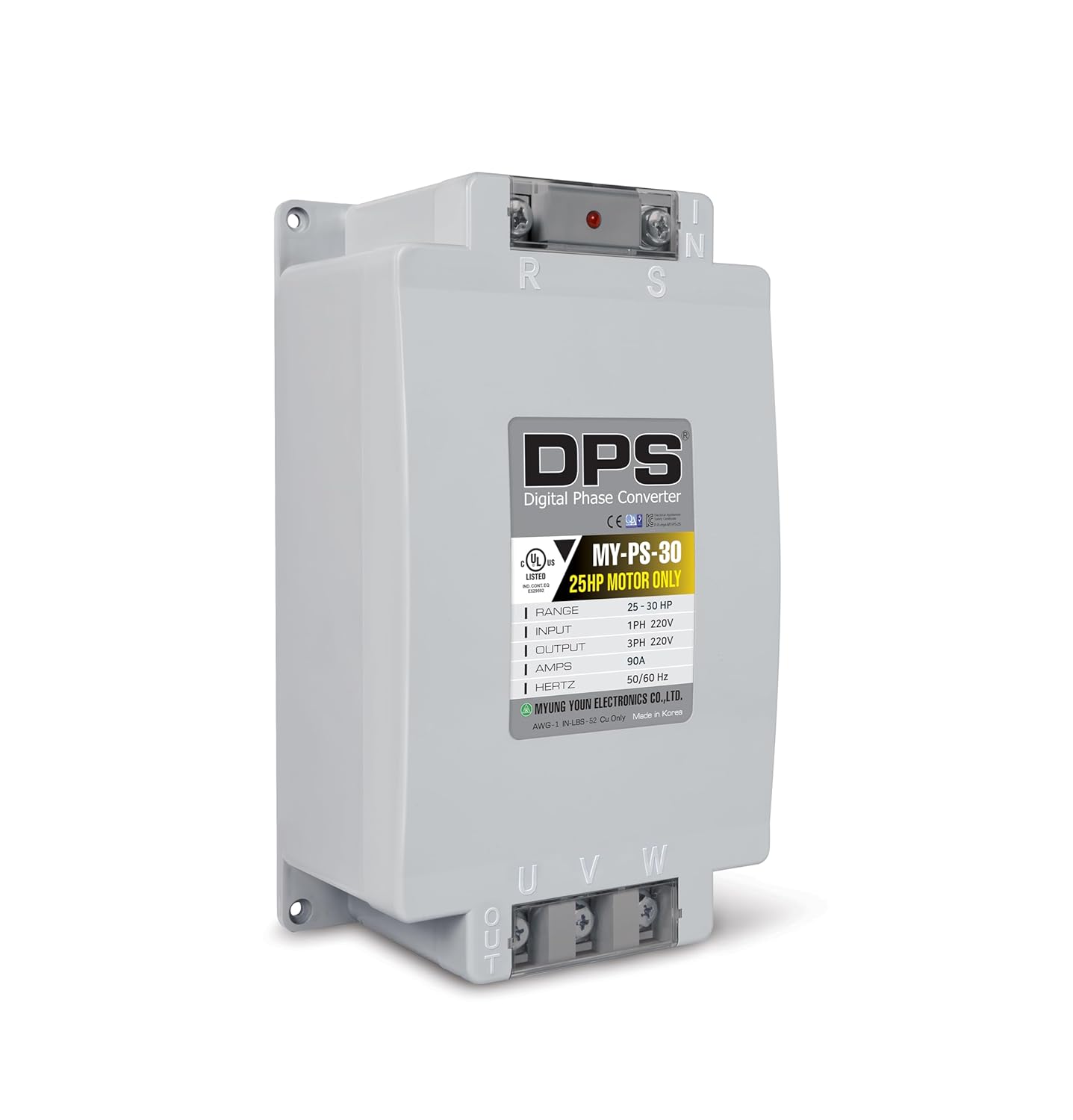
Figure 1: Myung Youn Electronics DPS MY-PS-30 Digital Phase Converter.
Video 1: This video demonstrates how the DPS Digital Phase Converter enables the operation of a 3-phase machine from a single-phase power source.
2. Safety Information and Important Considerations
Read all instructions carefully before installation and operation to prevent injury or damage to the equipment. Electrical work should only be performed by qualified personnel.
- Model Compatibility: Ensure the DPS model is compatible with your motor specifications. The MY-PS-30 model is designed for a 25HP (18.5kW) 75A 3-phase motor. Using a DPS model with specifications higher than the motor's requirements (e.g., using a 30HP DPS for a 20HP or 15HP motor) may cause the motor to generate heat, noise, and operational issues.
- One DPS Per Motor: Each DPS unit must be used for only one motor. Never connect a single DPS to multiple motors.
- Motor Voltage Setting: The motor's voltage must be configured for 200V-240V (Delta wiring - Low voltage).
- Wire Thickness: Select wire thickness appropriate for the motor's rated current to ensure safe and efficient operation.
- 3-Phase Brake Motors: The DPS is not compatible with 3-phase motors equipped with a 3-phase brake.
- Magnetic Contactor Voltage: If your machine utilizes a magnetic contactor, it must be rated for 220V only. The DPS cannot operate with 380V or 440V magnetic contactors.

Figure 2: Important caution points for DPS MY-PS-30 installation and usage.

Figure 3: Visual guide on selecting the appropriate DPS model, emphasizing MY-PS-30 for 25HP motors only.
3. Setup and Installation
3.1 Pre-installation Check
- Before purchasing and installing, verify your motor's rated current (A), horsepower (HP), and voltage (V).
- Confirm that the selected DPS model (MY-PS-30) is compatible with your motor's specifications (25HP, 75A, 200-240V).
3.2 Wiring Instructions
The DPS converts single-phase input to three-phase output. Follow the wiring diagram carefully:
- Input: Connect your single-phase 200V-240V power supply to the input terminals (R, S) of the DPS.
- Output: Connect the output terminals (U, V, W) of the DPS to your 3-phase motor. The DPS will provide 200V-240V 3-phase power to the motor.
- Motor Wiring: Ensure your motor is wired for 200V-240V (Delta wiring - Low voltage).
- Magnetic Contactor: If a magnetic contactor is used with the motor and DPS, connect two control wires from the magnetic contactor to the 'U' and 'W' output terminals of the DPS.

Figure 4: Detailed wiring information for the DPS MY-PS-30, illustrating connections from single-phase input to a 25HP 3-phase motor.
4. Operation
The DPS operates by creating induced three phases when the motor is running. This means that a true three-phase measurement can only be obtained at the DPS output when the motor is actively operating. If the motor is not running, you will not measure three phases at the DPS output.
- Current Balance: During initial motor startup or when the motor is under light load (less than 50%), the current on the 'U' and 'W' phases of the DPS output may show some imbalance. This is normal. Once the motor reaches more than 50% load, the 'U' and 'W' current values will typically balance. The 'V' phase current will be approximately equal to the motor's rated current.
- Efficiency: When the correct DPS model is used for the motor specifications, the system operates with an efficiency of approximately 90%. Note that the three phases generated by the DPS, which converts from single-phase, differ from the three phases supplied by utility companies. For optimal performance, it is recommended to use a motor with an efficiency of 90% or less with this converter.
Video 2: This video addresses common questions regarding the measurement of 3-phase voltage (V-W) from the DPS output.
5. Maintenance
The DPS MY-PS-30 is designed with a sealed enclosure to protect internal components from dust, moisture, and heat. This design minimizes the need for regular maintenance. Ensure the unit is kept clean and free from obstructions to maintain proper ventilation.
6. Troubleshooting
- Motor Not Starting: If the motor does not start after connecting the DPS and applying power, try switching the wire positions of 'U', 'V', and 'W' at the DPS output terminals. This may need to be attempted multiple times (up to 3 times) to find the correct phase sequence for motor startup.
- Motor Running in Reverse: If the motor operates in reverse rotation, swap the positions of the 'U' and 'W' wires at the DPS output. This will reverse the motor's direction to forward rotation.
- Persistent Current Imbalance: If current imbalance persists even when the motor is under more than 50% load, re-check the DPS model settings to ensure it is correctly matched to your motor's specifications. Using an incorrectly sized DPS can lead to motor heating or noise. Also, verify that the motor is not overloaded.
Video 3: This video provides guidance on what to do if your motor does not start after connecting the DPS.
7. Specifications
The following are the general specifications for the Myung Youn Electronics DPS MY-PS-30 Digital Phase Converter:
- Model Number: MY-PS-30
- Applicable Motor Capacity: 25 HP (18.5 kW) 75A 3-Phase motor
- Input Voltage: 200-240V Single-Phase
- Output Voltage: 200-240V 3-Phase
- Current Rating: 75 Amps (for 25HP motor)
- Frequency: 50/60 Hz
- Power Source: AC
- Product Dimensions: 5.2 x 8 x 13.8 inches (W x L x H)
- Item Weight: 11 Pounds (approximately 5.2 kg)
- Specification Met: UL Listed
- Manufacturer: Myung Youn Electronics
7.1 DPS Model Selection Chart
Refer to the table below to select the appropriate DPS model based on your 3-phase motor's specifications:

Figure 5: DPS Model Selection Chart for various 3-phase motor specifications.
| NO | DPS Model | 3-Phase Motor Specifications | |
|---|---|---|---|
| Rated HP / kW | Rated Current (AMP) | ||
| 1 | MY-PS-0.5 | 0.25 HP / 0.2kW | 0.75 AMP |
| 2 | MY-PS-1 | 0.5 HP / 0.4kW | 1.5 AMP |
| 3 | MY-PS-2 | 1 HP / 0.75kW | 3 AMP |
| 4 | MY-PS-3 | 2 HP / 1.5kW | 6 AMP |
| 5 | MY-PS-5 | 3 HP / 2.2kW | 9 AMP |
| 6 | MY-PS-7.5 | 5 HP / 3.7kW | 15 AMP |
| 7 | MY-PS-10 | 7.5 HP / 5.5kW | 23 AMP |
| 8 | MY-PS-15 | 10 HP / 7.5kW | 30 AMP |
| 9 | MY-PS-20 | 15 HP / 11kW | 45 AMP |
| 10 | MY-PS-25 | 20 HP / 15kW | 60 AMP |
| 11 | MY-PS-30 | 25 HP / 18.7kW | 75 AMP |
| 12 | MY-PS-40 | 30 HP / 22.5kW | 90 AMP |
| 13 | MY-PS-50 | 40 HP / 30kW | 120 AMP |
8. Warranty and Support
For specific warranty information, technical support, or service inquiries, please contact Myung Youn Electronics directly. Refer to the product packaging or the manufacturer's official website for the most current contact details and warranty terms.