
1. Introduction
This manual provides essential information for the installation, operation, and maintenance of your Generic 3013-600 GPD Reverse Osmosis (RO) Membrane Filter. This product is designed to provide high-quality purified water for under-sink filtration systems. Please read these instructions carefully before use to ensure proper function and longevity of the product.
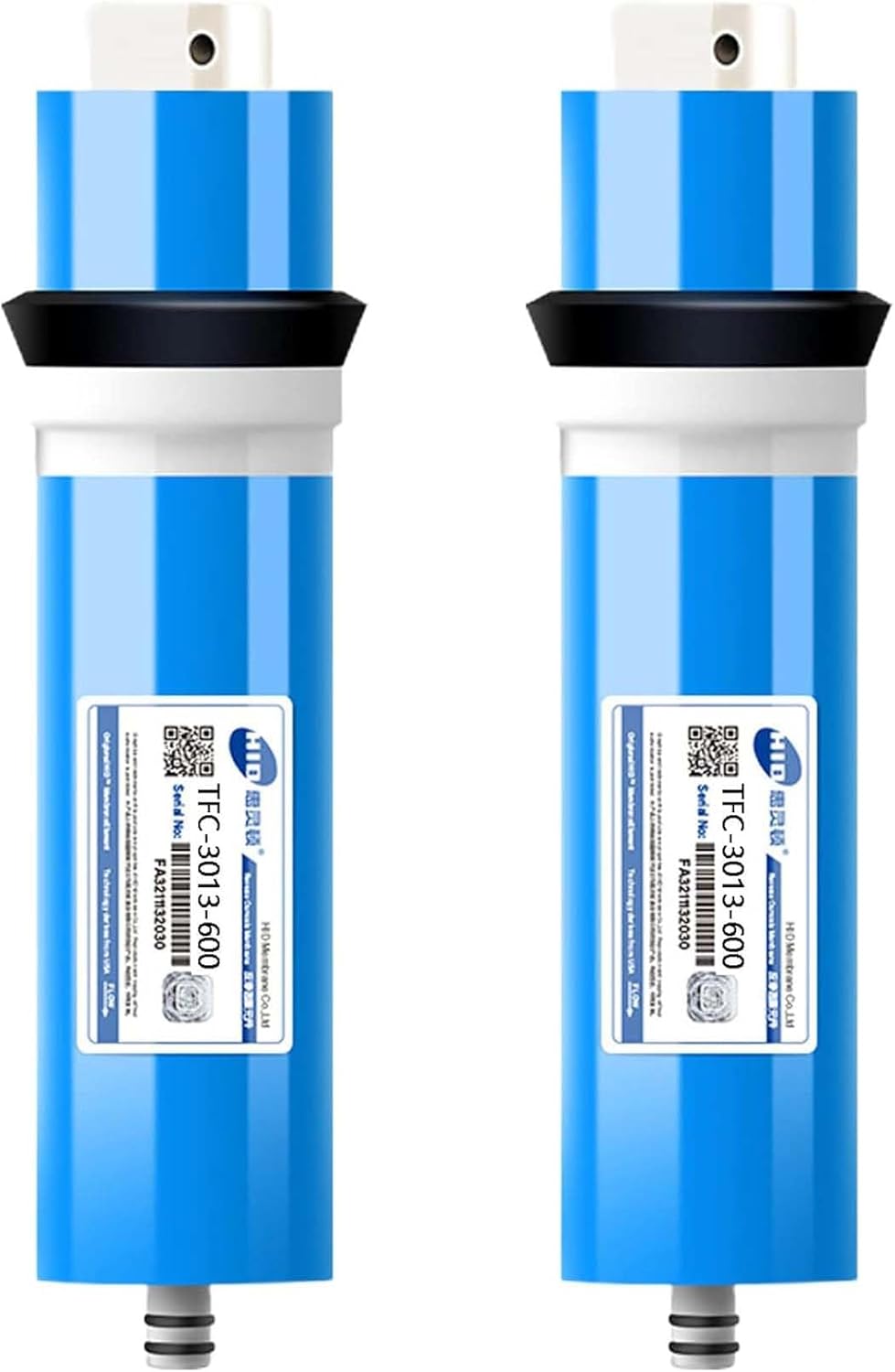
Image 1.1: Two Generic 3013-600 GPD RO Membrane Filters.
2. Product Features
- High Quality RO Membrane: Constructed from high-quality, imported polyamide film composite material, offering water saving, large water flow, and stable performance.
- Effective Filtration: High-density graded RO membrane removes up to 99.9% of impurities, including heavy metals, Total Dissolved Solids (TDS), bacteria, pathogens, arsenic, chloride, cadmium, pyrogens, cyanide, lead, fungi, giardia, and viruses.
- NSF Certified: Tested by an independent third party to meet NSF/ANSI 58 standards, ensuring lead-free, BPA-free, and food-grade quality.
- Health Protection: Provides healthier and cleaner drinking water, effectively avoiding secondary contamination and delivering sweet-tasting water.
- Easy Replacement: Designed for quick and straightforward replacement in compatible reverse osmosis water filter systems.

Image 2.1: NSF/ANSI 58 certification ensures water quality.
3. Specifications
| Specification | Detail |
|---|---|
| Model | 3013-600 GPD |
| Type | Reverse Osmosis Membrane Filter |
| Capacity | 600 Gallons Per Day (GPD) |
| Material | Polyamide Thin-Film Composite |
| Certifications | NSF/ANSI 58 (Lead-Free, BPA-Free, Food Grade) |
| Dimensions (Approx.) | Length: 33.3 cm (13.11 inches), Diameter: 6.8 cm (2.67 inches) |

Image 3.1: Dimensions of the 3013-600 GPD RO Membrane Filter.
4. Principle of Operation (Reverse Osmosis)
Reverse Osmosis (RO) is a water purification process that uses a partially permeable membrane to remove ions, unwanted molecules, and larger particles from drinking water. In RO, an applied pressure is used to overcome osmotic pressure, a colligative property that is driven by chemical potential differences of the solvent, a thermodynamic parameter. This process forces water from a region of high solute concentration through a membrane to a region of low solute concentration, leaving the solutes behind.
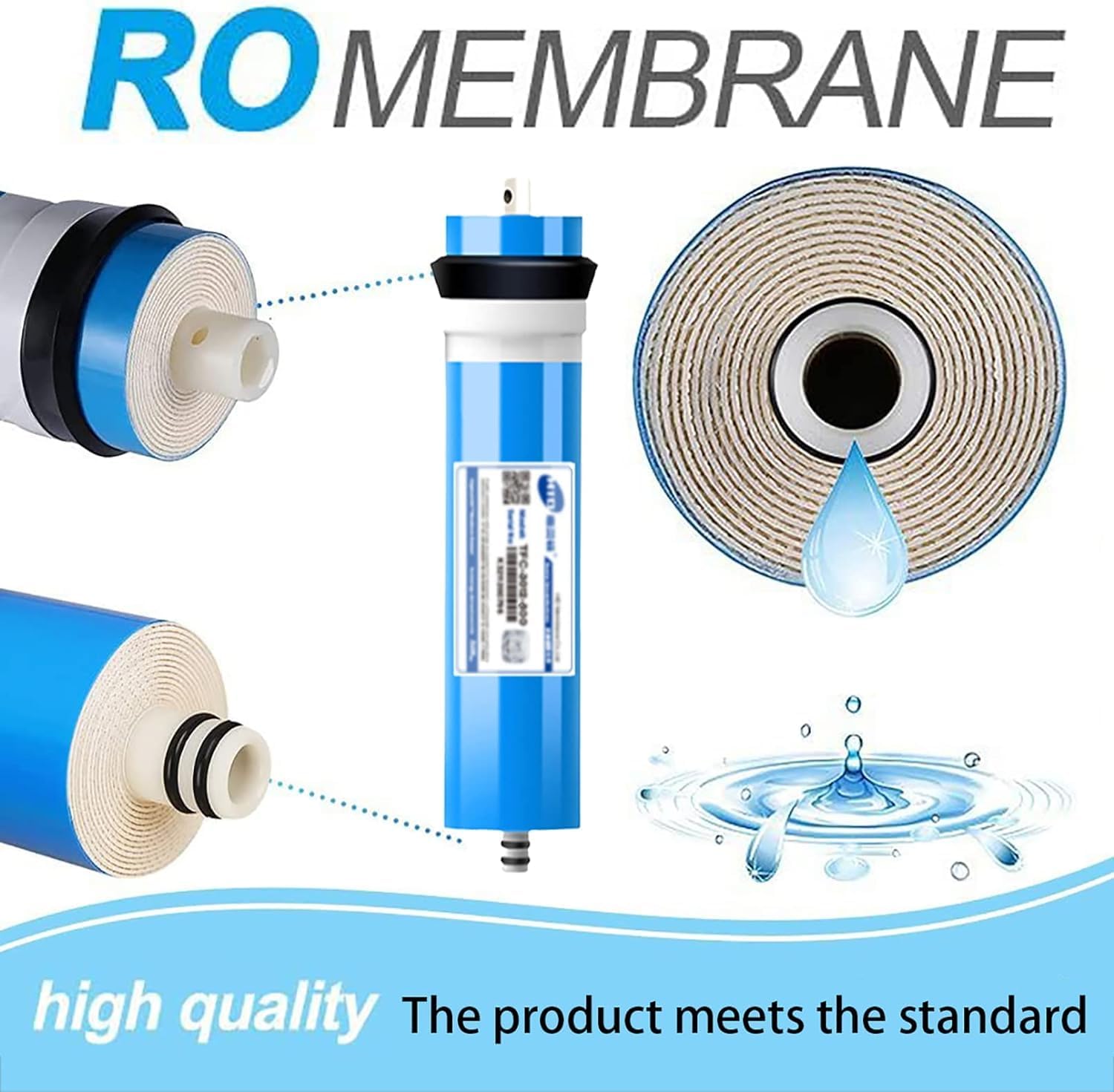
Image 4.1: Diagram of Reverse Osmosis membrane operation.
As shown in the diagram, raw water enters the membrane, passes through the membrane layers, and exits as purified water. Contaminants are rejected by the membrane and flushed away.
5. Setup and Installation
This section outlines the general steps for replacing an RO membrane. Specific system configurations may vary. Always refer to your RO system's manual for detailed instructions.
- Prepare the System: Turn off the water supply to your RO system and relieve any pressure by opening the RO faucet.
- Remove Housing Cap: Locate the RO membrane housing. Remove the tube from the fitting and twist off the housing cap using a filter wrench.
- Extract Old Membrane: Carefully pull out the old RO membrane. If it is stuck, use pliers or scissors to gently apply leverage to the end of the membrane to extract it.
- Prepare New Membrane: Unpack the new Generic 3013-600 GPD RO membrane. Ensure the O-rings are properly seated on the end of the membrane.
- Insert New Membrane: Insert the new membrane into the housing, ensuring the end with the two O-rings goes in first. Push firmly until it is fully seated.
- Secure Housing Cap: Place the housing cap back on and tighten it securely with the filter wrench. Do not overtighten. Reconnect the tube to the fitting.
- Flush the System: Turn on the water supply slowly. Allow the system to fill and flush for at least 30 minutes to an hour to remove any carbon fines or air. Refer to your RO system's manual for specific flushing procedures.
- Check for Leaks: Monitor the system for any leaks after installation and flushing.

Image 5.1: Step-by-step installation instructions for the RO membrane.
6. Operating Guidelines
Once installed, your RO system with the Generic 3013-600 GPD membrane will continuously purify water as needed. Ensure your system has adequate water pressure for optimal performance. The system typically operates silently, producing purified water that is stored in a pressure tank.
For best results, allow the system to fully fill the storage tank before drawing large quantities of water, especially after initial installation or prolonged periods of inactivity.

Image 6.1: Applications of purified water from the RO system.
7. Maintenance and Replacement
The Generic 3013-600 GPD RO membrane is a critical component of your water filtration system. Its lifespan depends on the quality of your incoming water and usage. Generally, RO membranes should be replaced every 2 to 3 years to maintain optimal performance and water quality. However, if you notice a significant drop in water production or a decline in water taste, it may indicate that the membrane needs earlier replacement.
Regularly check the pre-filters (sediment and carbon filters) in your RO system, as they protect the RO membrane. Replacing pre-filters on schedule (typically every 6-12 months) will extend the life of your RO membrane.
Refer to Section 5 for detailed replacement instructions.
8. Troubleshooting
If you encounter issues with your RO system, consider the following common problems and solutions:
- Low Water Flow:
- Check if the water supply valve to the RO system is fully open.
- Ensure the storage tank is not empty or has lost air pressure.
- Inspect pre-filters for clogging; replace if necessary.
- The RO membrane may be fouled or old; consider replacement.
- Poor Water Taste/Odor:
- The post-carbon filter may need replacement.
- The RO membrane may be compromised; test water quality with a TDS meter.
- Ensure proper flushing after membrane replacement.
- Leaks:
- Check all connections and fittings for tightness.
- Ensure O-rings are properly seated and not damaged.
If problems persist, consult your RO system's specific troubleshooting guide or contact the system manufacturer for support.
9. Safety Information
- Always turn off the main water supply to the RO system before performing any maintenance or filter replacement.
- Relieve system pressure before opening filter housings.
- Use appropriate tools (e.g., filter wrench) to avoid damage to components.
- Ensure all connections are secure to prevent leaks.
- Do not use water that is microbiologically unsafe or of unknown quality without adequate disinfection before or after the system.
- Keep replacement membranes in their sealed packaging until ready for use to prevent contamination.
10. Warranty and Support
For warranty information and customer support regarding your Generic 3013-600 GPD RO Membrane Filter, please refer to the documentation provided with your complete Reverse Osmosis system or contact the seller directly. Keep your purchase receipt as proof of purchase.