
1. Introduction
Thank you for choosing the Vive Mobility Reclining Wheelchair. This manual provides essential information for the safe and effective use, assembly, operation, and maintenance of your new wheelchair. Please read this manual thoroughly before initial use and retain it for future reference.
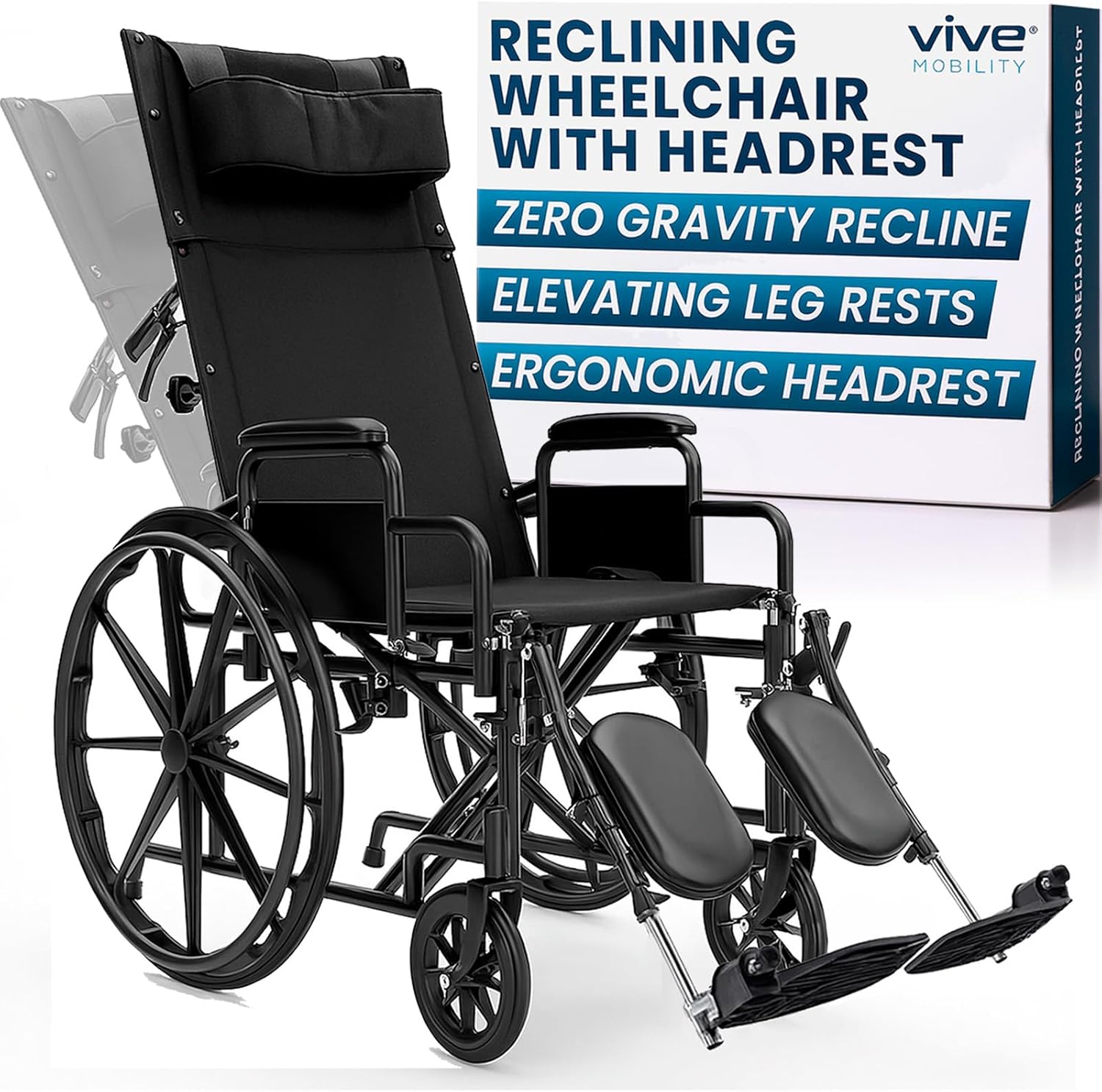
Image 1.1: The Vive Mobility Reclining Wheelchair, designed for comfort and support.
2. Safety Information
Always prioritize safety when operating this wheelchair. Failure to follow these instructions could result in injury or damage to the product.
- Weight Capacity: Do not exceed the maximum weight capacity of 300 lbs (136 kg).
- Brakes: Always engage the wheel locks before transferring in or out of the wheelchair, or when stationary.
- Stability: Avoid leaning excessively to the side or front, especially when the backrest is reclined or leg rests are elevated, as this may cause the wheelchair to tip.
- Assistance: Always seek assistance from a caregiver when navigating inclines, declines, uneven surfaces, or during transfers.
- Leg Rests: Ensure leg rests are securely locked in place before use. Do not stand on the footplates.
- Maintenance: Regularly inspect all components for wear, damage, or loose parts. Do not use the wheelchair if any part is damaged or missing.
- Children: Keep children away from moving parts and do not allow them to play with or on the wheelchair.
3. Components Overview
Familiarize yourself with the main components of your Vive Mobility Reclining Wheelchair:
- Frame: Reinforced steel frame for durability and stability.
- Backrest: Full reclining backrest, adjustable from 90 to 180 degrees.
- Headrest: Integrated headrest with a detachable cervical cushion for neck and head support.
- Armrests: Padded armrests for comfort.
- Seat: Wide 18-inch seat.
- Leg Rests: Elevating, swing-away, and height-adjustable leg rests with dual calf pads.
- Footplates: Adjustable footplates.
- Rear Wheels: 24-inch rear wheels with push-to-lock brakes.
- Front Casters: 8-inch front casters for maneuverability.
- Push Handles: Ergonomic push handles for caregivers.

Image 3.1: Key components and features of the wheelchair.
4. Setup
The Vive Mobility Reclining Wheelchair is designed for easy, tool-free assembly. Follow these steps to prepare your wheelchair for use:
- Unfolding the Wheelchair: Gently push down on the seat rails until the wheelchair is fully open and the seat is flat.
- Attaching Rear Wheels: Insert the axle of each 24-inch rear wheel into the axle receiver on the wheelchair frame until it clicks securely into place. Ensure both wheels are firmly attached.
- Installing Leg Rests: Align the two pins on the leg rest assembly with the corresponding holes on the front of the wheelchair frame. Push down firmly until the leg rest locks into position. Repeat for the other leg rest.
- Attaching Headrest: Slide the headrest cushion onto the top of the backrest. Secure any straps or fasteners provided to ensure it is stable.
Video 4.1: Official product video demonstrating the features and assembly of the Vive Mobility Reclining Wheelchair.

Image 4.1: The wheelchair is designed for easy transport and can be folded to fit in most car trunks.
5. Operating Instructions
5.1. Reclining the Backrest
The backrest can be adjusted to a full 180-degree recline for maximum comfort and pressure relief.
- Ensure the wheelchair is on a stable, level surface and the wheel locks are engaged.
- Locate the recline levers, typically on the sides of the backrest near the push handles.
- Simultaneously pull both recline levers and gently push the backrest backward to the desired angle.
- Release the levers to lock the backrest in position. Ensure it is securely locked before use.

Image 5.1: The backrest can be adjusted from an upright 90-degree position to a flat 180-degree recline.
5.2. Adjusting Elevating Leg Rests
The leg rests can be elevated and adjusted for height to promote circulation and reduce swelling.
- To elevate the leg rests, locate the release lever or button on the side of the leg rest assembly.
- Press the lever/button and gently raise the leg rest to the desired height. Release to lock.
- To adjust the height of the footplates, locate the pin or knob on the leg rest extension. Adjust to the desired height and secure.
- The leg rests can also swing away for easier transfers. Locate the release mechanism near the frame attachment point, pull it, and swing the leg rest outwards.

Image 5.2: Elevating leg rests provide comfort and support for the lower limbs.
5.3. Engaging/Disengaging Brakes
The wheelchair is equipped with push-to-lock brakes on the rear wheels.
- To Engage: Push the brake levers located near the rear wheels forward until they click into place. Ensure both brakes are fully engaged.
- To Disengage: Pull the brake levers backward until they release.
5.4. Folding for Transport
The wheelchair can be folded flat for convenient storage and transport.
- Ensure the leg rests are removed or swung away.
- Pull up on the center of the seat fabric or the seat rails to begin folding the wheelchair inwards.
- Continue to fold until the wheelchair is compact.
- For even more compact storage, the rear wheels and headrest can be removed.
6. Maintenance
Regular maintenance ensures the longevity and safe operation of your wheelchair.
- Cleaning: Wipe down the frame and upholstery with a damp cloth and mild detergent. Avoid abrasive cleaners.
- Inspection: Periodically check all bolts, screws, and fasteners for tightness. Inspect tires for wear and proper inflation (if applicable). Check brake functionality.
- Lubrication: Apply a silicone-based lubricant to moving parts such as wheel axles and folding mechanisms as needed to ensure smooth operation.
- Storage: Store the wheelchair in a dry, clean environment away from extreme temperatures.
7. Troubleshooting
Here are solutions to common issues you might encounter:
| Problem | Possible Cause | Solution |
|---|---|---|
| Wheelchair does not roll smoothly. | Low tire pressure, debris in wheels, loose axle. | Check tire pressure, remove debris, tighten axle bolts. |
| Brakes are not holding. | Brake pads worn, brake cable loose, improper adjustment. | Inspect brake pads, adjust brake cable tension, consult a technician if needed. |
| Backrest or leg rests do not lock in position. | Mechanism obstructed, worn locking pins, improper engagement. | Check for obstructions, ensure levers/buttons are fully engaged, contact support if mechanism is faulty. |
| Wheelchair is difficult to fold. | Mechanism stiff, leg rests not removed/swung away. | Lubricate folding mechanism, ensure leg rests are clear. |
If you encounter issues not listed here or if solutions do not resolve the problem, please contact Vive Mobility customer support.
8. Specifications
Detailed specifications for the Vive Mobility Reclining Wheelchair (18 inch Seat):
| Feature | Detail |
|---|---|
| Product Dimensions | 50"D x 27"W x 48"H |
| Item Weight | 60 Pounds (27.2 kg) |
| Maximum Weight Recommendation | 300 Pounds (136 kg) |
| Seat Width | 18 Inches (45.7 cm) |
| Seat Height | 20 Inches (50.8 cm) |
| Seat Depth | 16 Inches (40.6 cm) |
| Wheel Size (Rear) | 24 Inches (61 cm) |
| Wheel Size (Front) | 8 Inches (20.3 cm) |
| Frame Material | Alloy Steel |
| Brake Style | Push-to-Lock |
| Power Source | Manual |
| UPC | 810113576886 |

Image 8.1: Detailed dimensions of the wheelchair for reference.
9. Warranty & Support
The Vive Mobility Reclining Wheelchair comes with a 1-Year Guarantee. This warranty covers manufacturing defects and ensures your product meets quality standards. For warranty claims or technical support, please contact Vive Mobility customer service.
Contact Information: Please refer to the contact details provided with your purchase or visit the official Vive Mobility website for support.

Image 9.1: Vive Health 1-Year Guarantee for peace of mind.