
1. Introduction
The KAX Idle Air Control (IAC) Valve, model AC147, is a critical component in your vehicle's engine management system. It is designed to regulate the amount of air bypassing the throttle plate, thereby controlling the engine's idle speed. A properly functioning IAC valve ensures stable engine idle, reduces emissions, and contributes to overall driving comfort. This manual provides essential information for the installation, operation, maintenance, and troubleshooting of your KAX IAC Valve.

Figure 1: KAX Idle Air Control Valve AC147, main view.
2. Compatibility
The KAX Idle Air Control Valve AC147 is designed for wide adaptability and is compatible with a range of Chevrolet and GMC vehicles. Please verify your vehicle's specific make, model, and year against the following list to ensure proper fitment:
- Chevrolet K1500 (1996-1999)
- Chevrolet Silverado 1500 (1999-2007, 4.3L)
- Chevrolet S10 (1996-2004)
- Chevrolet C1500 (1996-1999)
- Chevrolet Blazer (1996-2005)
- Chevrolet Astro (1996-2005)
- Chevrolet Tahoe (1996-2000)
- Chevrolet Express 1500 (1996-2008)
- Chevrolet K1500 Suburban (1996-1999, 5.7L)
- Chevrolet K2500 (1996-2000, 5.7L)
- GMC Sonoma (1996-2004)
- GMC Express 3500 (1996-2002, 5.7L)
- GMC Sierra 1500 (1999-2007, 4.3L)
- GMC C3500 (1996-2000, 5.7L)
- GMC C2500 (1996-2000, 5.7L)
- GMC Jimmy (1996-2001)
- GMC Yukon (1996-2000)
- GMC K3500 (1996-2000, 5.7L)
- Chevrolet Silverado 1500 Classic (2007, 4.3L)
- GMC Safari (1996-2005)

Figure 2: Example of a vehicle fitment guide for checking compatibility.
3. Key Features and Design
The KAX Idle Air Control Valve AC147 is engineered to meet or exceed Original Equipment (OE) specifications, ensuring reliable performance and a direct fit for compatible vehicles. Its design incorporates several features aimed at enhancing vehicle operation:
- OE Standards Compliance: Manufactured according to strict standards, retaining original screw sizes and O-ring specifications for quick, plug-and-play installation.
- Optimized Performance: Utilizes an electromagnetic coil to precisely adjust the idle air port opening, allowing for rapid achievement of desired idle speed and maintaining vehicle stability.
- Durable Construction: Constructed from high-quality metal and ABS plastic materials, providing resistance to high and low temperatures, rust, and corrosion, contributing to a long service life.
- Improved Driving Experience: Helps to avoid abnormal vibrations, reduce fuel consumption, improve idle stability, reduce idle emissions, and enhance overall driving comfort.
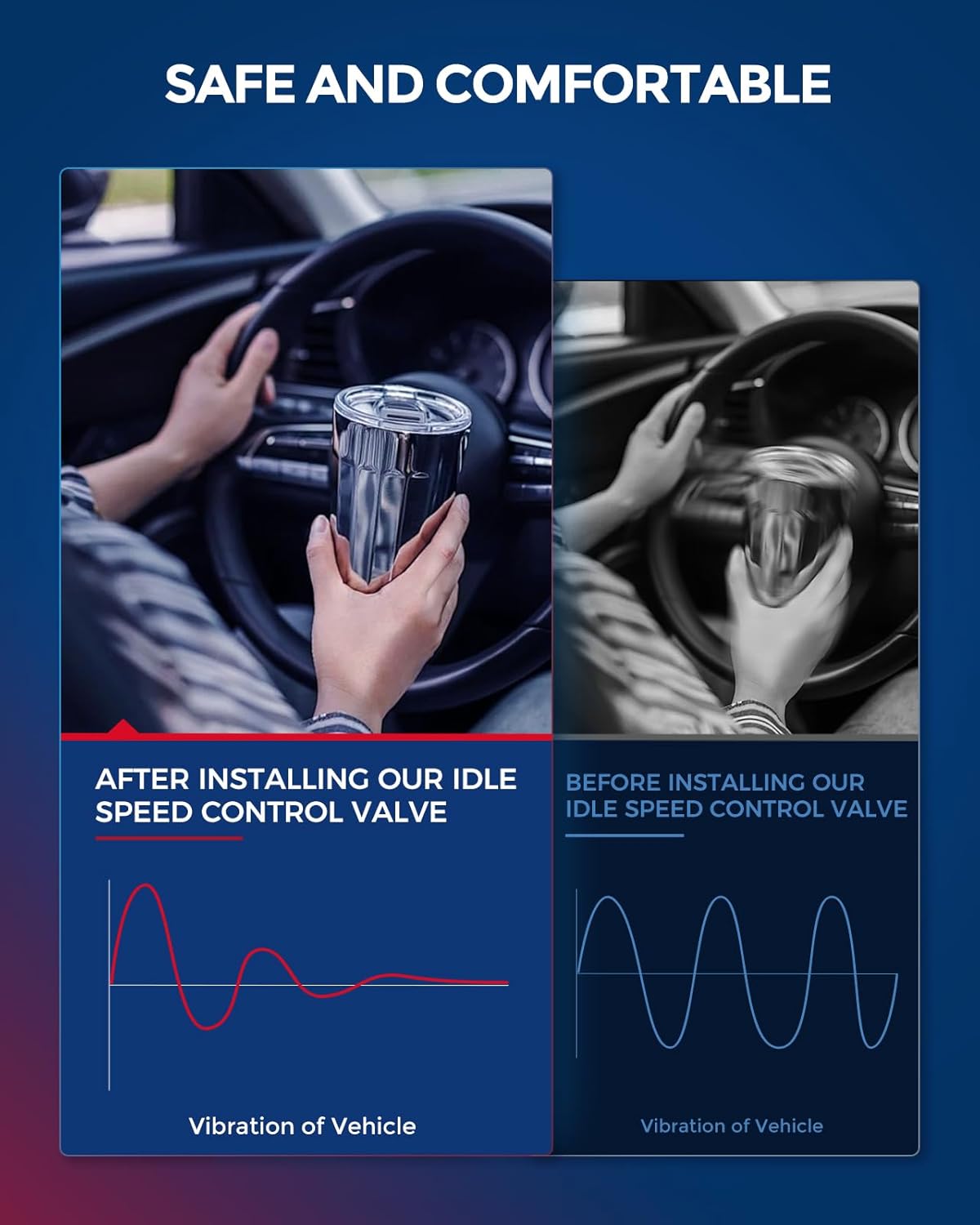
Figure 3: Diagram illustrating the functions of the IAC valve, including improved idle stability, reduced emissions, and enhanced driving comfort.

Figure 4: Close-up view of the IAC valve's O-ring, designed for a secure seal.
4. Signs of a Faulty Idle Air Control Valve
Recognizing the symptoms of a failing IAC valve is crucial for timely replacement and maintaining vehicle performance. Common indicators include:
- Irregular Idling: The engine idle speed may fluctuate significantly, be too high, or too low.
- Engine Stalling: The engine may stall frequently, especially when coming to a stop or at low speeds.
- Difficulty Starting: The vehicle may be hard to start, particularly when cold.
- Check Engine Light: The "Check Engine" or "Service Engine Soon" light may illuminate on the dashboard.
- Abnormal Noise: Unusual noises may emanate from the engine bay during operation.
- Increased Emissions: A strong gasoline smell or noticeable increase in exhaust emissions may occur.
- Weak Engine Performance: The engine may feel weak, difficult to accelerate, or generally lack power.

Figure 5: Visual representation of common symptoms indicating a faulty IAC valve, such as warning lights and engine issues.
5. Installation Instructions
Replacing the Idle Air Control Valve is a straightforward process for those with basic automotive knowledge. Always ensure the vehicle is turned off and the battery is disconnected before beginning any work on the electrical system or engine components. Refer to your vehicle's specific service manual for detailed instructions and safety precautions.
- Preparation: Locate the existing idle air control valve on your vehicle's throttle body. Disconnect the electrical connector and remove any mounting bolts securing the old valve. Carefully remove the old valve and its gasket.
- Install New Valve: Place the new KAX Idle Air Control Valve AC147 into position. Install the retaining bolts and hand-tighten them to the seat. Use a socket and ratchet to snug them down gradually and evenly. Do not overtighten the bolts to prevent damage to the valve or throttle body.
- Reconnect Wiring: Reattach the wiring harness to the new valve. Ensure the terminal makes a proper connection and the clip is fully engaged to secure this connection.
- Reconnect Battery: Reattach the negative battery cable to the battery. Tighten the bolts securely to prevent loosening due to engine vibration. This will restore power to the vehicle's electrical system.

Figure 6: Step-by-step guide for replacing the idle air control valve.
Video 1: An overview of the KAX Idle Air Control Valve, showing its components and general appearance. This video is 28 seconds long and provides a visual introduction to the product.
6. Operating Principles
The Idle Air Control (IAC) valve is an electromechanical actuator that controls the engine's idle speed by regulating the amount of air that bypasses the throttle plate. When the engine is idling, the throttle plate is closed, and all air entering the engine must pass through the IAC valve. The engine control unit (ECU) sends signals to the IAC valve, which then opens or closes a passage to allow more or less air into the intake manifold. This precise control ensures that the engine maintains a stable idle speed under varying conditions, such as when the air conditioning is turned on or when the engine is cold.

Figure 7: Dashboard view highlighting the importance of stable RPM, which the IAC valve helps maintain.
7. Maintenance
The KAX Idle Air Control Valve is designed for long-term reliability and typically requires minimal maintenance. However, regular vehicle maintenance practices can help prolong its lifespan and ensure optimal performance:
- Regular Inspections: Periodically inspect the IAC valve and its electrical connector for any signs of damage, corrosion, or loose connections.
- Throttle Body Cleaning: Carbon buildup in the throttle body can affect IAC valve operation. Consider regular cleaning of the throttle body, especially around the IAC valve's air passage, using a suitable throttle body cleaner.
- Air Filter Replacement: Ensure your engine's air filter is clean and replaced according to your vehicle manufacturer's recommendations. A dirty air filter can restrict airflow and impact engine idle.
8. Troubleshooting Common Issues
If you experience issues with your vehicle's idle after installing or during the use of the KAX IAC Valve, consider the following troubleshooting steps:
| Symptom | Possible Cause | Solution |
|---|---|---|
| High or Low Idle | Incorrect installation, vacuum leak, dirty throttle body, faulty sensor (e.g., TPS, MAP). | Verify correct installation and secure connections. Check for vacuum leaks. Clean throttle body. Inspect other related sensors. |
| Engine Stalling | Insufficient air at idle, electrical connection issue, faulty IAC valve (rare for new part). | Ensure IAC valve is properly connected. Check for obstructions in air passages. If problem persists, consult a qualified mechanic. |
| Check Engine Light (CEL) | Related diagnostic trouble codes (DTCs) for idle control system. | Use an OBD-II scanner to retrieve DTCs. Address the specific code. Clearing codes may be necessary after repair. |
| Rough Idle / Vibration | Improper air-fuel mixture, engine misfire, or IAC valve not responding correctly. | Check for misfires. Ensure all connections are secure. Consider professional diagnosis if symptoms persist. |
For complex issues or if troubleshooting steps do not resolve the problem, it is recommended to consult a certified automotive technician.
9. Specifications
The following are the technical specifications for the KAX Idle Air Control Valve AC147:
- Brand: KAX
- Model Number: AC147
- Part Number: 7328IAC001LUS
- Item Weight: 3.52 ounces
- Product Dimensions (L x W x H): 5 x 3.5 x 7.7 inches
- Inlet Connection Size: 3.5 Inches
- Inlet Connection Type: Push-In
- Number of Ports: 2
- Specification Met: OE, GM
- Valve Type: Globe Valve
- Batteries Included: No
- Batteries Required: No
10. Warranty and Customer Support
KAX stands behind the quality of its products. The KAX IAC valve is 100% performance tested and manufactured strictly in accordance with standards to meet or exceed OEM specifications.
For any questions, concerns, or assistance regarding your KAX Idle Air Control Valve, please contact KAX customer support. We are committed to providing a positive shopping and product experience.
You can typically find contact information on the product packaging or through the retailer's website where the product was purchased. For KAX products on Amazon, you may visit the KAX Store on Amazon.