
Gosangom EB-260
Gosangom 25.4CC Petrol Leaf Blower User Manual
Model: EB-260
1. Introduction
Thank you for choosing the Gosangom 25.4CC Petrol Leaf Blower. This manual provides essential information for the safe operation, assembly, maintenance, and troubleshooting of your new leaf blower. Please read this manual thoroughly before operating the machine to ensure proper use and to prevent injury or damage.
Safety Precautions
- Always wear appropriate personal protective equipment (PPE) including eye protection, hearing protection, and sturdy footwear.
- Do not operate the blower in wet conditions or near flammable liquids or gases.
- Keep children, bystanders, and pets at a safe distance (at least 15 meters / 50 feet) from the operating area.
- Ensure all guards and safety features are in place and functioning correctly before each use.
- Never modify the leaf blower. Use only genuine replacement parts.
- Handle fuel with extreme care. Store fuel in an approved container in a well-ventilated area, away from ignition sources.
- Allow the engine to cool before refueling or performing maintenance.
2. Package Contents
Upon opening the package, please verify that all components listed below are present and undamaged. If any items are missing or damaged, contact your retailer immediately.
- 1 x Handheld Gas Blower Unit
- 2 x Blast Pipes (Blower Tubes)
- 1 x Fuel Mixing Pot
- 1 x Funnel
- 1 x English User Manual (this document)
- Other Assembly Accessories (e.g., tools for assembly)
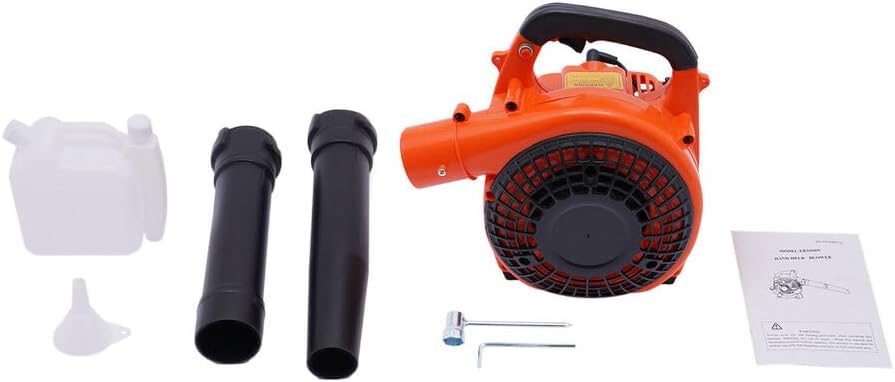
Figure 2.1: Included components of the leaf blower package.
3. Setup and Assembly
3.1. Assembling the Blast Pipes
Attach the two blast pipes to the main blower unit. Ensure they are securely fastened to prevent detachment during operation. Typically, these pipes slide together and may have a locking mechanism or screw to secure them.
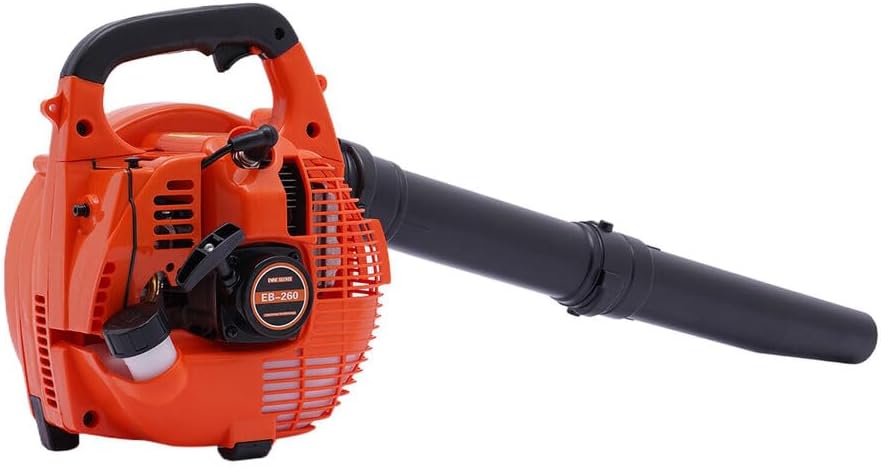
Figure 3.1: Assembled leaf blower with blast pipe.
3.2. Fuel Preparation
This leaf blower uses a 2-stroke engine and requires a specific mixture of gasoline and 2-stroke engine oil. The recommended ratio is 25:1 (Gasoline:Oil).
- Use fresh, clean unleaded gasoline with an octane rating of 90 or higher.
- Use premium 2-cycle engine oil specifically designed for air-cooled engines.
- Use the provided mixing pot to accurately measure and mix the fuel.
- Pour the required amount of 2-stroke oil into the mixing pot first, then add gasoline up to the corresponding mark for a 25:1 ratio.
- Shake the mixing pot thoroughly to ensure a consistent mixture.
3.3. Filling the Fuel Tank
The fuel tank capacity is approximately 0.9 Liters (0.24 Gallons).
- Ensure the engine is off and cool before refueling.
- Move to a well-ventilated outdoor area, away from any ignition sources.
- Carefully open the fuel tank cap.
- Using the provided funnel, slowly pour the pre-mixed fuel into the fuel tank. Do not overfill.
- Securely close the fuel tank cap. Wipe up any spilled fuel immediately.
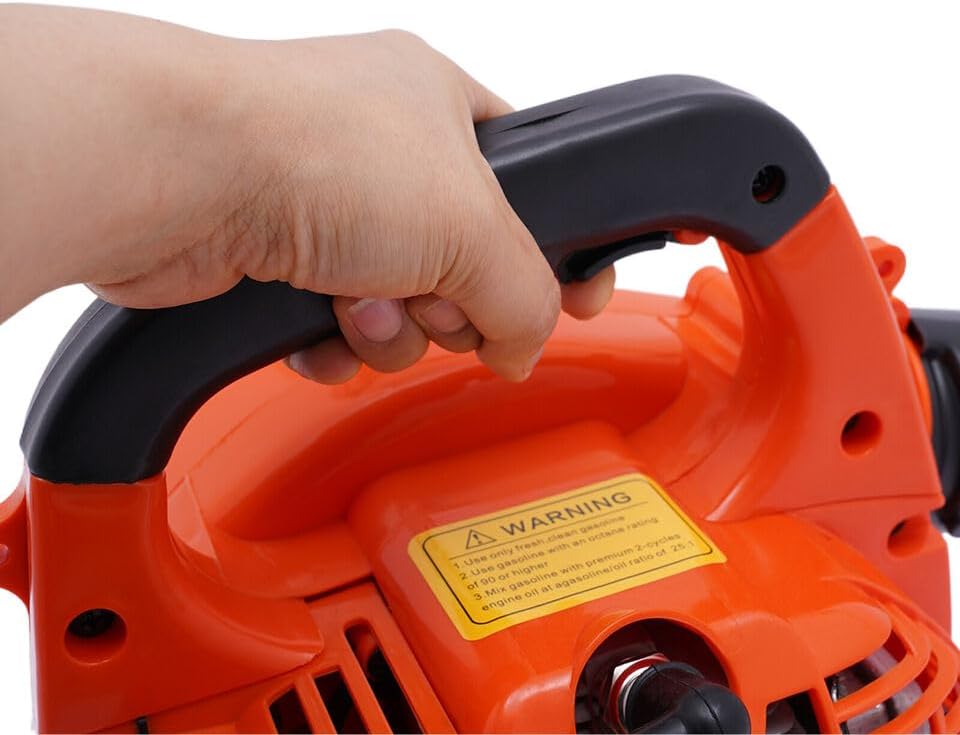
Figure 3.2: Fuel tank cap and warning label.
4. Operation
4.1. Starting the Engine
The leaf blower features a hand pull start and electronic ignition.
- Place the blower on a flat, stable surface.
- Ensure the engine stop switch is in the "ON" position.
- If the engine is cold, engage the choke lever (usually a small lever near the carburetor).
- Press the primer bulb several times until fuel is visible in the clear return line.
- Hold the blower firmly with one hand. With the other hand, grasp the starter rope handle.
- Pull the starter rope slowly until resistance is felt, then pull it quickly and firmly. Do not pull the rope to its full extension or let it snap back.
- Repeat pulling until the engine attempts to start or starts briefly.
- Once the engine fires or starts, disengage the choke lever (move it to the "OFF" or "RUN" position).
- If the engine does not start, repeat the process. If it starts and then stalls, re-engage the choke and try again.

Figure 4.1: Engaging the hand pull start.
4.2. Using the Leaf Blower
Once the engine is running smoothly, you can begin operation.
- Hold the blower firmly with both hands, maintaining a comfortable and balanced stance.
- Direct the blast pipe towards the debris you wish to move.
- Use a sweeping motion to gather leaves and debris into piles.
- Avoid directing the air blast towards people, animals, or fragile objects.
- The ergonomic handle with throttle switch allows for precise control of the airflow.
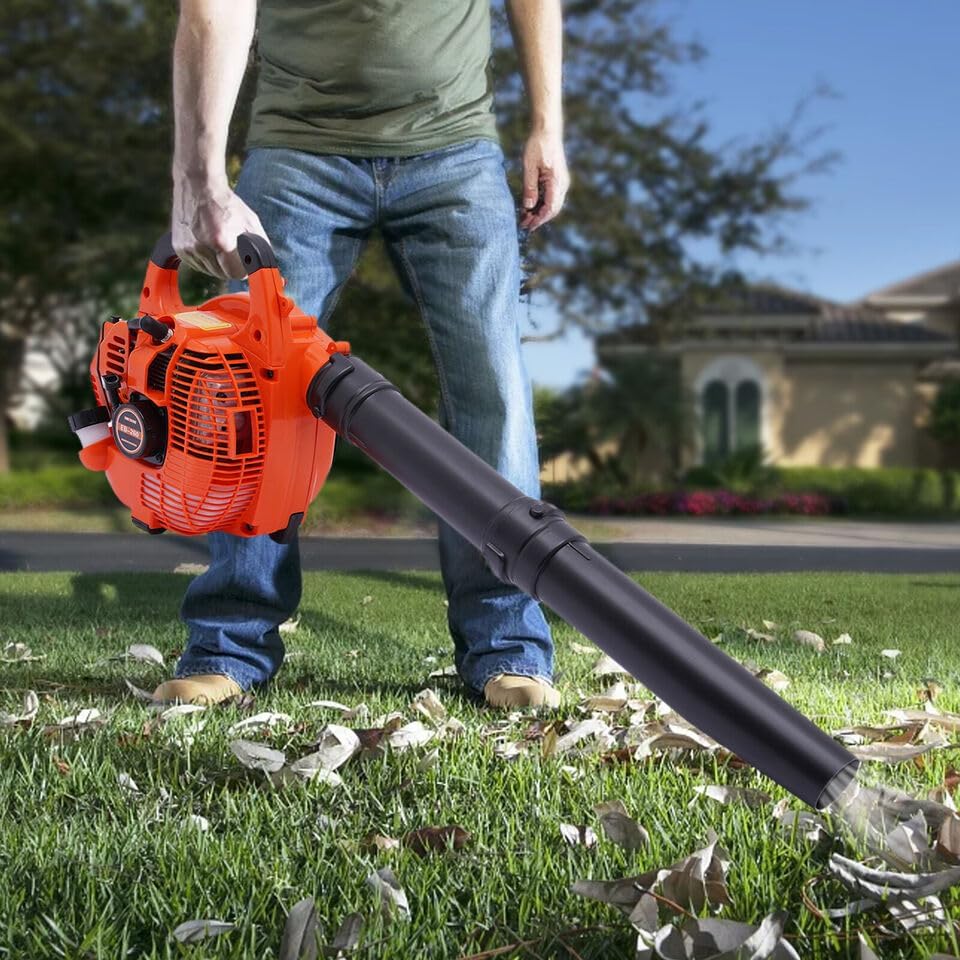
Figure 4.2: Operating the leaf blower.
4.3. Stopping the Engine
To stop the engine, simply move the engine stop switch to the "OFF" position. Allow the engine to cool down before storing or performing any maintenance.
5. Maintenance
Regular maintenance ensures optimal performance and extends the lifespan of your leaf blower. Always ensure the engine is off and cool before performing any maintenance.
5.1. Air Filter Cleaning
A dirty air filter can reduce engine performance and increase fuel consumption. Check and clean the air filter regularly, especially after prolonged use or use in dusty conditions.
- Locate the air filter cover (usually on the side of the engine).
- Remove the cover and carefully take out the air filter element.
- Clean the filter by tapping it gently to remove loose dirt, or wash it with warm, soapy water if it's a foam filter. Allow it to dry completely before reinstallation.
- Replace the filter if it is damaged or excessively dirty.
5.2. Spark Plug Inspection
Inspect the spark plug periodically for wear, carbon buildup, or damage. A fouled spark plug can lead to starting difficulties and poor engine performance.
- Remove the spark plug cap.
- Use a spark plug wrench to remove the spark plug.
- Check the electrode for wear and the insulator for cracks. Clean any carbon deposits with a wire brush.
- Ensure the spark plug gap is correct (refer to the full manual for specific gap).
- Reinstall the spark plug and cap securely.
5.3. General Cleaning and Storage
- After each use, clean the exterior of the blower with a damp cloth. Remove any debris from the air intake and cooling fins.
- Ensure the 360° protective mesh housing is clear of obstructions.
- For long-term storage, drain the fuel tank completely or use a fuel stabilizer. Run the engine until it stops from lack of fuel to clear the carburetor.
- Store the leaf blower in a clean, dry, well-ventilated area, away from direct sunlight and extreme temperatures.
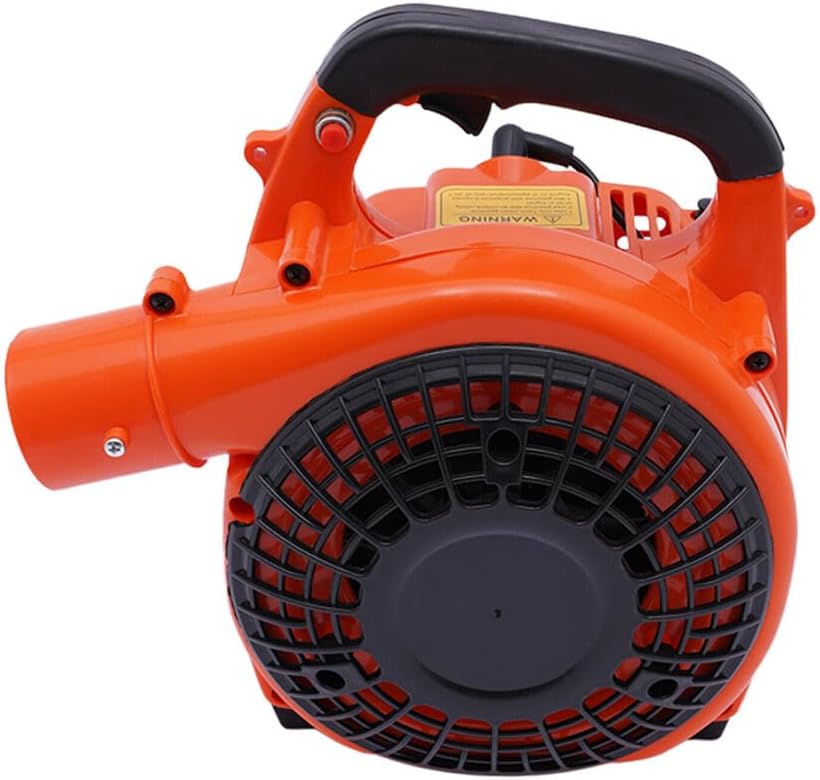
Figure 5.1: Rear view showing air intake for cleaning.
6. Troubleshooting
This section provides solutions to common operational issues. For problems not listed here, please contact customer support.
| Problem | Possible Cause | Solution |
|---|---|---|
| Engine will not start |
|
|
| Engine starts but lacks power / stalls |
|
|
| Excessive smoke from exhaust |
|
|
7. Technical Specifications
| Feature | Specification |
|---|---|
| Model | EB-260 |
| Engine Type | Single Cylinder, Air Cooling, 2-Stroke |
| Displacement | 25.4cc |
| Rated Power | 0.75kW / 7500rpm |
| Impeller Speed | 7000rpm |
| Fuel Tank Capacity | 0.9 L (30.4 Oz / 0.24 Gal) |
| Gasoline/Oil Ratio | 25:1 |
| Noise Level | 90 dB(A) |
| Net Weight (including duct) | 3.46 kg (7.62 lbs) |
| Product Size (L*H) | 91.5 cm * 33.5 cm (36.02 inch * 13.18 inch) |
| Blast Pipe Length | 63.5 cm (25 inch) |
| Air Flow Capacity | 0.13 m³/h (4.59 ft³/h) |
| Fuel Consumption Rate | <710g / 1.56 lbs / kW.h |
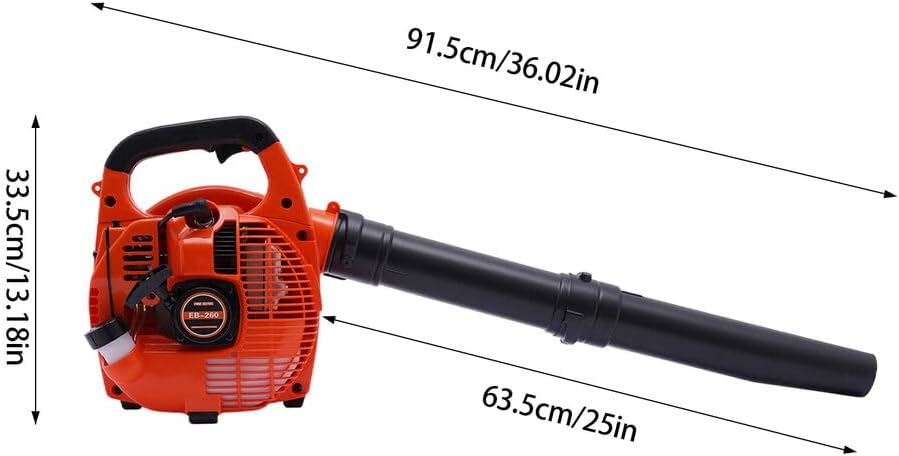
Figure 7.1: Product dimensions.
8. Warranty and Support
Gosangom products are manufactured to high-quality standards and are warranted against defects in materials and workmanship. Please refer to the warranty card included with your purchase for specific terms and conditions, including warranty period and coverage details.
For technical assistance, replacement parts, or warranty claims, please contact Gosangom customer support. Have your product model number (EB-260) and purchase date ready when contacting support.
Customer Support: Please refer to the contact information provided in your product packaging or visit the official Gosangom website for the most up-to-date support details.
Ask a question about this manual
Ask about setup, troubleshooting, compatibility, parts, safety, or missing instructions. Manuals+ will review the question and use this page’s manual context to help answer it.