Introduction
This manual provides essential information for the installation, operation, and maintenance of the DE93183 Double Eye Trailer Leaf Spring. This component is designed to be a critical part of your trailer's suspension system, providing support and absorbing road shocks for a smoother and safer towing experience. It features a robust four-leaf design and is rated for a capacity of 2900 pounds per spring.
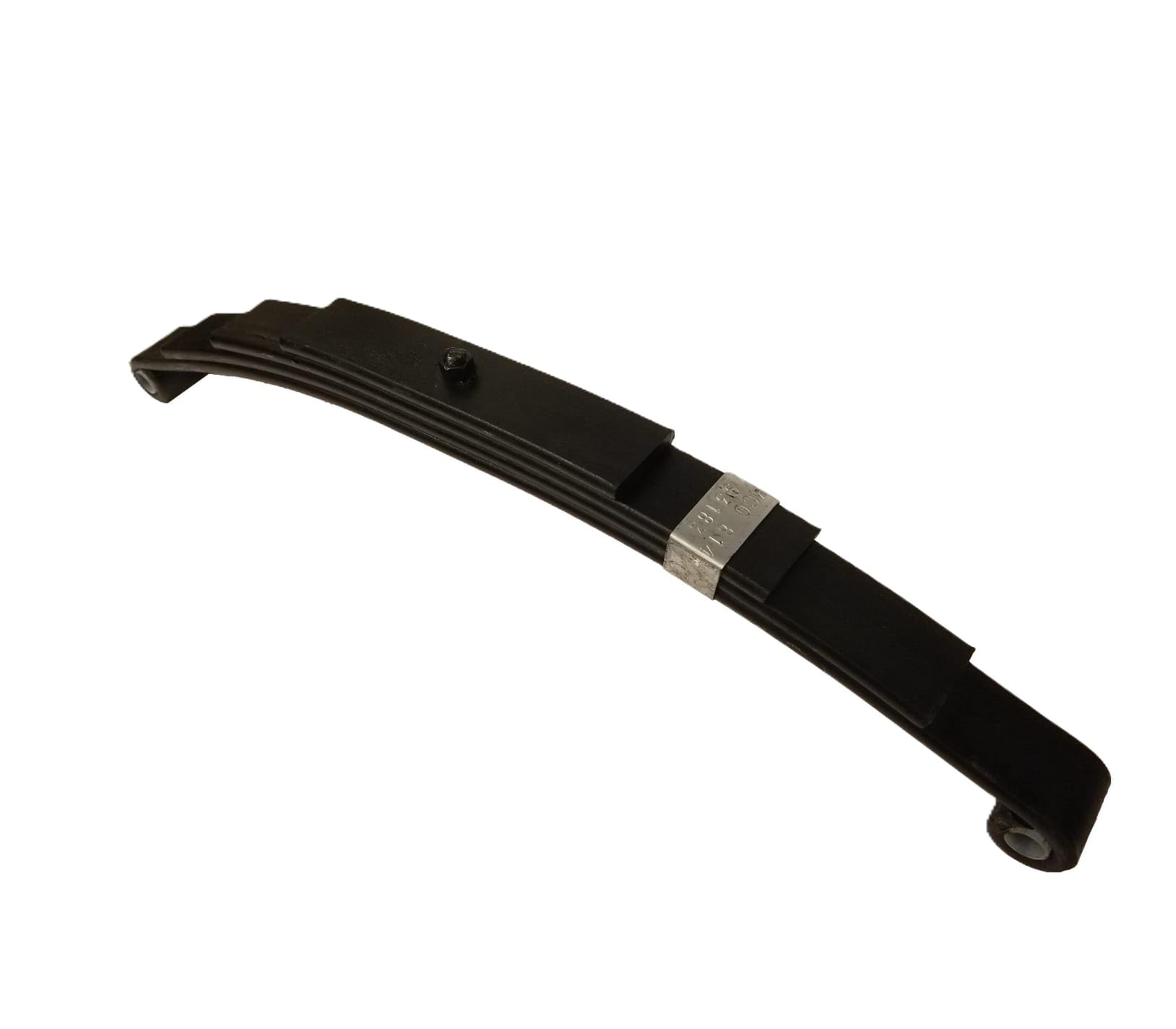
Image: The DE93183 Double Eye Trailer Leaf Spring, showcasing its four-leaf construction and double-eye design. This image illustrates the overall shape and components of the leaf spring, including the central bolt and the metal band holding the leaves together.
Specifications
| Part Number | DE-93183 |
| Rated Capacity | 2900 Pounds per Spring |
| Leaf Count | 4 Leaves |
| Eye-to-Eye Length | 23.25 inches |
| Width | 1.75 inches |
| Arch | Approximately 3.5 inches |
| Bushing Size | 9/16 inches (Bushings included) |
| Manufacturer | PartsReplm |
| Brand | Generic |
| Manufacturer Part Number | KI1ZAQ238 |
| ASIN | B0D64R4KX6 |
| Date First Available | June 4, 2024 |
Installation Guide
Safety First: Always ensure the trailer is securely supported on jack stands on a level surface before beginning any work. Wear appropriate personal protective equipment, including safety glasses and gloves. If you are unsure about any step, consult a qualified mechanic.
- Prepare the Trailer: Park the trailer on a firm, level surface. Chock the wheels that will remain on the ground. Use a hydraulic jack to lift the trailer frame near the axle until the wheel is off the ground. Place sturdy jack stands under the trailer frame for support, then slowly lower the trailer onto the stands.
- Remove the Old Spring (if applicable): Loosen and remove the U-bolts that secure the axle to the leaf spring. Carefully remove the bolts connecting the leaf spring eyes to the hanger and shackle. You may need a pry bar to assist in removal.
- Install the New Spring: Position the new DE93183 leaf spring into the hangers. Insert the bolts through the spring eyes and the hanger/shackle, securing them with nuts. Do not fully tighten at this stage. Ensure the center pin of the leaf spring aligns with the hole on the axle seat.
- Secure the Axle: Place the U-bolts over the axle and through the spring plate, then secure them with nuts. Tighten the U-bolts evenly in a crisscross pattern to the manufacturer's recommended torque specifications (refer to your trailer's manual for specific torque values).
- Final Tightening: Once the trailer is lowered back onto its wheels and the suspension is under load, fully tighten all spring eye bolts and shackle bolts to their specified torque. This ensures proper bushing compression and prevents premature wear.
- Post-Installation Check: After installation, drive the trailer a short distance and then re-check all bolts for proper torque. Repeat this check after the first 50-100 miles of use.
Operation and Load Management
The DE93183 leaf spring is rated for a maximum capacity of 2900 pounds per spring. It is crucial to never exceed the combined weight rating of your trailer's suspension system. Overloading can lead to premature wear, damage to the springs, and unsafe towing conditions.
- Load Distribution: Distribute the load evenly across the trailer to prevent excessive stress on individual springs.
- Dynamic Loads: Be mindful that dynamic forces during travel (e.g., bumps, turns) can temporarily increase the load on the springs.
- Regular Checks: Before each trip, visually inspect the leaf springs for any signs of damage or misalignment.
Maintenance
Proper maintenance extends the life of your leaf springs and ensures safe operation.
- Regular Inspection: Periodically inspect the leaf springs for signs of wear, cracks, rust, or bent leaves. Check the condition of the bushings and ensure they are not excessively worn or cracked.
- U-Bolt Torque: Regularly check the torque of the U-bolts that secure the axle to the leaf springs. Loose U-bolts can cause premature spring failure and axle misalignment.
- Cleaning: Keep the leaf springs clean from dirt, salt, and debris, especially after towing in harsh conditions. A simple wash with water can prevent corrosion.
- Lubrication: While the included bushings are designed for durability, some trailer setups may benefit from occasional lubrication of pivot points if they are equipped with grease zerks. Consult your trailer's manual for specific lubrication requirements.
Troubleshooting Common Issues
- Sagging Suspension:
- If your trailer appears to be sagging, especially when loaded, it may indicate worn-out leaf springs or overloading. Verify that the load does not exceed the spring's capacity. Inspect the springs for flattened leaves or cracks. Replacement may be necessary if the springs are permanently deformed.
- Unusual Noises (Squeaking, Groaning):
- Noises from the suspension can be caused by dry or worn bushings, loose bolts, or metal-on-metal contact between leaves. Check all fasteners for proper torque. Inspect bushings for wear and replace if necessary. Lubrication of pivot points (if applicable) can also help.
- Uneven Ride Height:
- An uneven ride height can indicate a damaged or fatigued spring on one side, or an unevenly distributed load. Check the condition of both leaf springs and ensure the trailer load is balanced. Compare the arch of both springs when unloaded.
Important Notes
- Professional Installation: While this guide provides general instructions, professional installation is recommended for optimal safety and performance.
- Tool Usage: Always use appropriate tools for installation and maintenance. Do not use impact wrenches on spring eye bolts unless specifically recommended by the trailer manufacturer.
- Compatibility: Ensure this leaf spring is compatible with your specific trailer model and axle configuration before purchase and installation. Refer to your trailer's manufacturer specifications.