
GHSOGEOM GHSOGEOM
GHSOGEOM BS88:4 Cartridge Fuse Instruction Manual
Introduction
This manual provides essential information for the safe and effective use of your GHSOGEOM BS88:4 Cartridge Fuse. Please read this manual thoroughly before installation and retain it for future reference. This product is designed to protect electrical circuits from overcurrents.
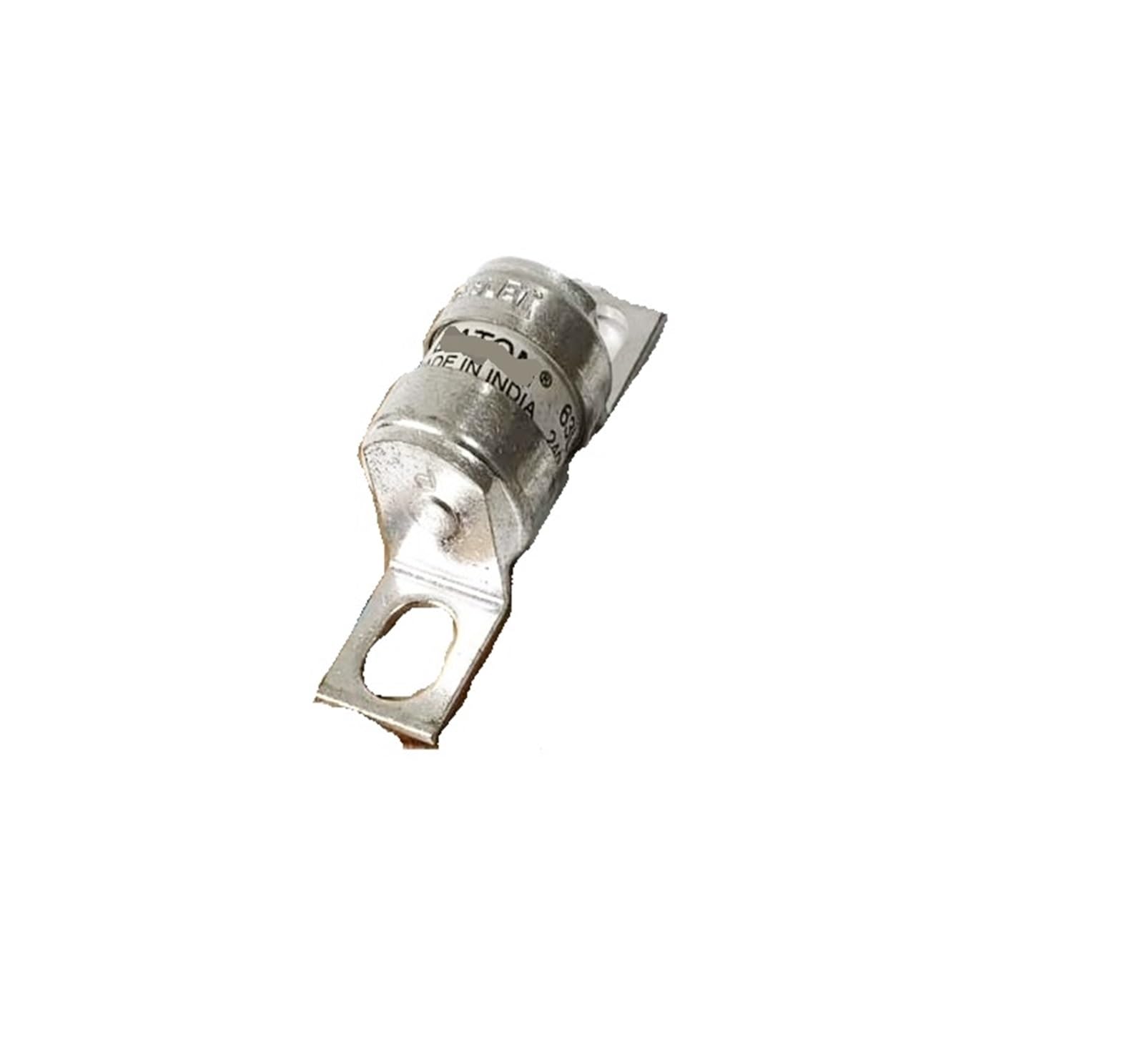
Image 1: GHSOGEOM BS88:4 Cartridge Fuse. This image displays the general appearance of the cartridge fuse, highlighting its cylindrical shape and end caps.
Important Safety Information
Failure to follow these safety instructions may result in electrical shock, fire, or serious injury. Always prioritize safety when working with electrical components.
- Disconnect Power: Always disconnect the main power supply to the circuit before installing, inspecting, or replacing fuses. Verify power is off using a suitable voltage tester.
- Correct Rating: Fuses must be replaced with a fuse of identical amperage and voltage rating. Using an incorrect fuse can lead to inadequate protection or circuit damage.
- Single-Use Device: Fuses are designed for single-use protection. A blown fuse indicates an electrical fault and must be replaced; it cannot be repaired or reused.
- No Bypassing: Never bypass a fuse or attempt to repair a blown fuse. This can create a severe fire hazard and damage electrical equipment.
- Professional Consultation: If you are unsure about any aspect of fuse installation or electrical work, consult a qualified electrician.
Package Contents
Please check the package for the following items:
- 1 x GHSOGEOM BS88:4 Cartridge Fuse (specific rating as purchased)
Installation Instructions
Follow these steps carefully to install your GHSOGEOM BS88:4 Cartridge Fuse:
- Step 1: Power Disconnection
Ensure the main power supply to the circuit where the fuse will be installed is completely disconnected. Use a voltage tester to confirm that no power is present. - Step 2: Identify Fuse Holder
Locate the appropriate fuse holder or circuit breaker panel for the circuit requiring protection. - Step 3: Remove Old Fuse (if applicable)
If replacing an existing fuse, carefully remove the old fuse from its holder. Note its amperage and voltage rating for comparison to ensure the new fuse is identical. - Step 4: Insert New Fuse
Insert the GHSOGEOM BS88:4 Cartridge Fuse into the designated fuse holder. Ensure it is seated firmly and correctly, making good electrical contact. - Step 5: Verify Rating
Double-check that the installed fuse's amperage and voltage ratings precisely match the circuit's requirements and the specifications of the equipment it protects. - Step 6: Restore Power
Once the fuse is securely in place and its rating verified, carefully restore power to the circuit. Monitor the circuit for proper operation.
Operating Principles
The GHSOGEOM BS88:4 Cartridge Fuse is a passive safety device designed to protect electrical circuits from overcurrent conditions. It operates by containing a metal wire or filament that melts and breaks the circuit when the current flowing through it exceeds a safe level for a specified duration. This action prevents damage to wiring, appliances, and other electrical components, and reduces the risk of fire.
The fuse does not require active operation; its function is automatic upon fault detection. Once a fuse has blown, it must be replaced with a new one of the identical rating.
Maintenance and Inspection
Fuses generally require minimal maintenance, but periodic inspection is recommended to ensure continued safety and performance:
- Regular Inspection: Periodically inspect fuses and their holders for any visible signs of damage, such as cracks, discoloration, corrosion, or signs of overheating.
- Replacement: A fuse that has blown will typically show a visible break in its internal element or indicate a lack of continuity when tested with a multimeter. Always replace blown fuses immediately with a new fuse of the exact same type and rating.
- Cleaning: Keep fuse holders and surrounding areas clean and free from dust, dirt, and debris to ensure proper electrical contact and prevent potential hazards.
Troubleshooting
Fuse Blows Immediately After Replacement
If a new fuse blows immediately after installation, this indicates a persistent electrical fault in the circuit. Do not continue to replace fuses without addressing the underlying issue. Common causes include:
- Short Circuit: A direct, unintended connection between live and neutral/ground wires, causing a very high current flow.
- Overload: Too many electrical devices or appliances drawing more current than the circuit is designed to handle simultaneously.
- Faulty Appliance/Wiring: A defective appliance connected to the circuit or damaged wiring within the circuit itself.
Action: Disconnect all appliances from the affected circuit and try replacing the fuse again. If the fuse still blows, or if you cannot identify the cause, immediately consult a qualified electrician to diagnose and repair the circuit fault.
Technical Specifications
| Feature | Detail |
|---|---|
| Brand | GHSOGEOM |
| Model Number | GHSOGEOM |
| Type | Cartridge Fuse |
| Standard | BS88:4 |
| Voltage Rating | 240V |
| Amperage Rating | Available in 25A, 32A, 35A, 50A, 63A, 80A, 100A, 125A (specific rating purchased) |
| Item Weight | 1.76 ounces (approximate, may vary by rating) |
| Package Dimensions | 1.18 x 0.79 x 0.39 inches (approximate) |
Warranty Information
GHSOGEOM warrants this product against defects in materials and workmanship for a period of one (1) year from the original date of purchase. This warranty does not cover damage resulting from improper installation, misuse, abuse, or normal wear and tear. For warranty claims, please retain your proof of purchase and contact customer support.
Customer Support
For technical assistance, troubleshooting, or warranty inquiries, please contact GHSOGEOM customer support through the retailer where the product was purchased. You may also visit the official GHSOGEOM website for additional resources and contact details.