
1. Introduction
This manual provides detailed instructions for the setup, operation, and maintenance of your AVerMedia Live Gamer Extreme 3 (GC551G2) 4K HDMI Capture Card. This device is designed to capture and stream high-quality video content from gaming consoles and other HDMI sources to your computer or streaming platform.
The Live Gamer Extreme 3 supports 4K60 HDR pass-through, 4K30 uncompressed video recording, ultra-low latency, and Variable Refresh Rate (VRR) for a smooth and responsive experience. It is compatible with Windows, macOS, and iPadOS, and integrates seamlessly with popular streaming software like OBS Studio and Twitch.
2. Package Contents
- Live Gamer EXTREME 3 (GC551G2)
- Type-C to Type-A Cable
- HDMI 2.0 Cable
- Quick Start Guide
3. Product Overview
The AVerMedia Live Gamer Extreme 3 is a compact and powerful capture device. Below is a diagram illustrating its various ports and their functions.

Image 3.1: Front and rear view of the AVerMedia Live Gamer Extreme 3, highlighting its input and output ports. The device is shown alongside its included cables.
Port Descriptions:
- HDMI 2.0 IN: Connects to your gaming console or video source.
- HDMI 2.0 OUT: Connects to your display (TV/monitor) for pass-through gameplay.
- USB 3.2 (Gen 1) Type-C: Connects to your computer for data transfer and power.
- 3.5 mm Line Input (3-Pole): Connects to an external audio source, such as a microphone or headset, for commentary.
- 3.5 mm Output (3-Pole): Connects to headphones or speakers for audio monitoring.
4. Setup
4.1. Hardware Connection
- Connect your gaming console (e.g., PS5, Xbox Series X/S, Nintendo Switch 2) to the HDMI IN port on the Live Gamer Extreme 3 using the provided HDMI 2.0 cable.
- Connect the HDMI OUT port on the Live Gamer Extreme 3 to your TV or monitor using another HDMI cable. This allows you to play your game on your primary display with zero-lag pass-through.
- Connect the USB 3.2 (Gen 1) Type-C port on the Live Gamer Extreme 3 to a USB 3.0 or higher port on your computer using the provided Type-C to Type-A cable. Ensure you use a USB 3.0 port for optimal performance, as USB 2.0 may limit recording to 1080p 30fps.
- Optionally, connect a headset or microphone to the 3.5 mm Line Input for game chat and commentary. Connect headphones or speakers to the 3.5 mm Output for audio monitoring.

Image 4.1: The Live Gamer Extreme 3 connected to a gaming console and a computer, demonstrating its plug-and-play setup.
4.2. Software Installation
No extra drivers are typically needed for basic functionality, as the device is plug-and-play. However, for advanced features and customization, AVerMedia recommends using their RECentral software. The device is also fully compatible with third-party streaming platforms.
- Download and install AVerMedia RECentral 4 from the official AVerMedia website for enhanced control and features.
- For streaming, ensure you have OBS Studio, Twitch Studio, or your preferred streaming software installed.
5. Operating the Capture Card
5.1. Recording and Streaming
Once connected, your Live Gamer Extreme 3 will be recognized by your computer and compatible software. Open your preferred streaming or recording application (e.g., OBS Studio, RECentral) and add the capture card as a video source.
Video 5.1: An official AVerMedia video showcasing the features and ease of use of the Live Gamer Extreme 3 for console gaming and streaming.
5.2. Key Features
- 4K60 HDR Pass-Through: Enjoy your gameplay in stunning 4K resolution at 60 frames per second with High Dynamic Range (HDR) on your connected display, while simultaneously recording at 4K30. The device also supports high refresh rate pass-through up to 1080p240.
- Ultra-Low Latency: The Live Gamer Extreme 3 is engineered for near-instant responsiveness, ensuring perfectly synced audio and video for both your gameplay and stream. This minimizes delay between your console and your streaming output.
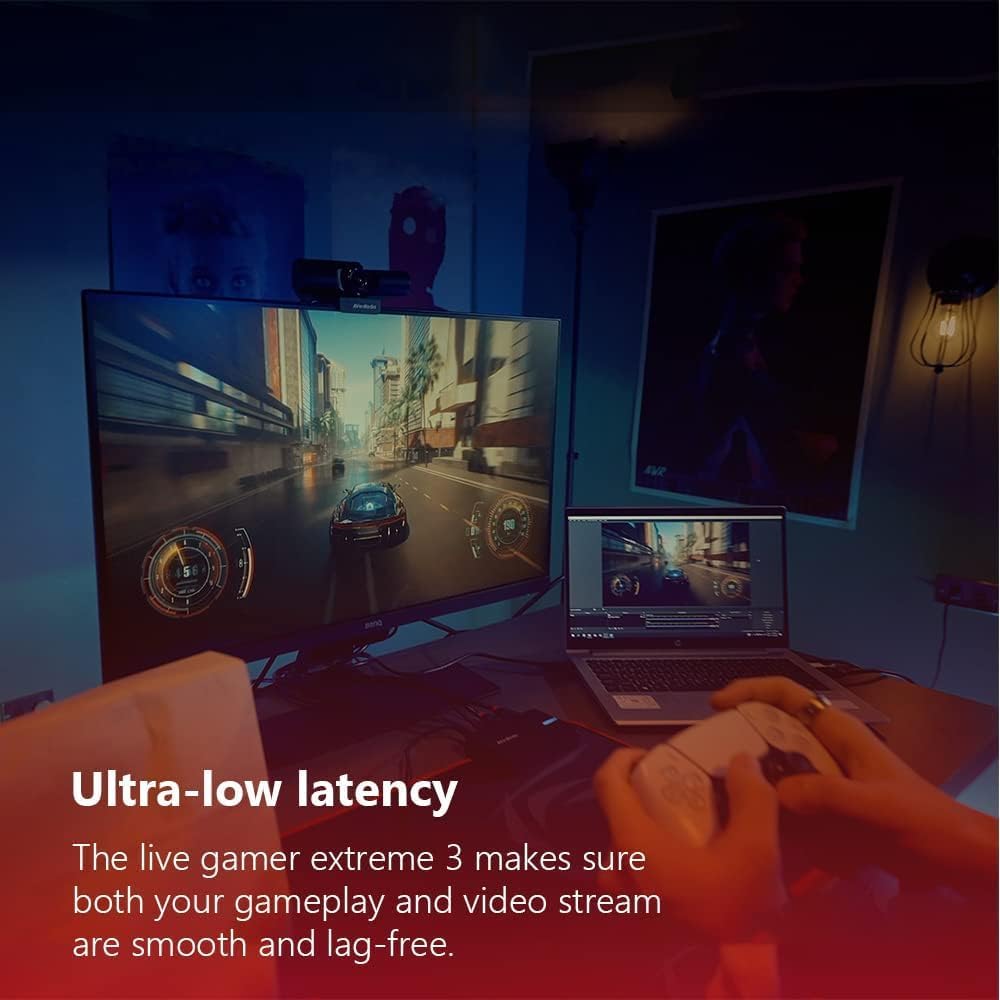
Image 5.2: A gaming setup demonstrating the ultra-low latency performance of the Live Gamer Extreme 3, ensuring smooth gameplay and streaming.
- VRR Support: Variable Refresh Rate (VRR) pass-through is supported at resolutions like 1440p120 or 1080p120. This feature synchronizes the refresh rate of your display with the frame rate of your game, eliminating screen tearing and stuttering for a smoother gaming experience.
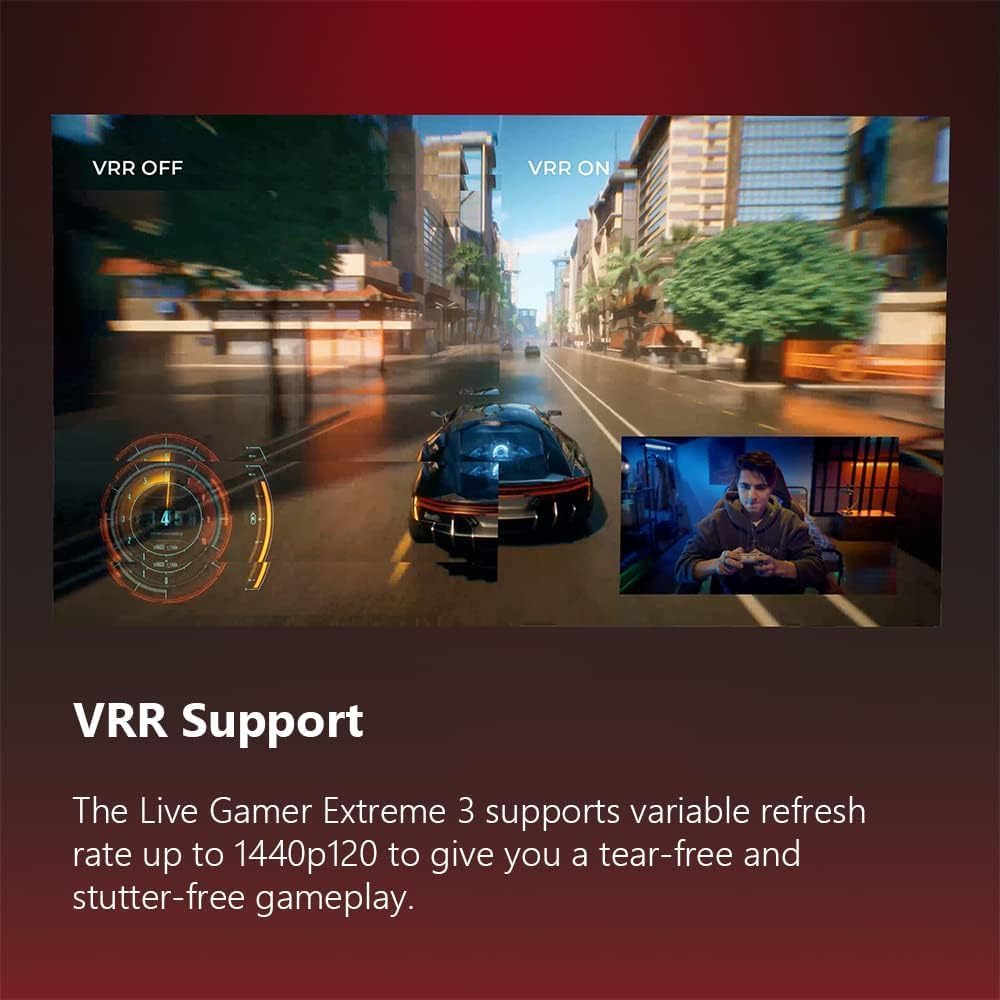
Image 5.3: A visual comparison showing the difference between VRR off and VRR on, highlighting the smoother visual experience with VRR enabled.
- 4Kp30 Uncompressed Capture: Record gameplay in exquisite detail up to 4K30. For fast-paced action, you can play at up to 120Hz while recording at FHD60p. Uncompressed capture ensures high fidelity.

Image 5.4: A screen capture illustrating the clarity and detail achieved with 4Kp30 uncompressed video capture.
- 3.5mm Audio In & Out: Connect your headset or microphone directly to the capture card to easily capture game chat and commentary without additional software. The output allows for direct audio monitoring.
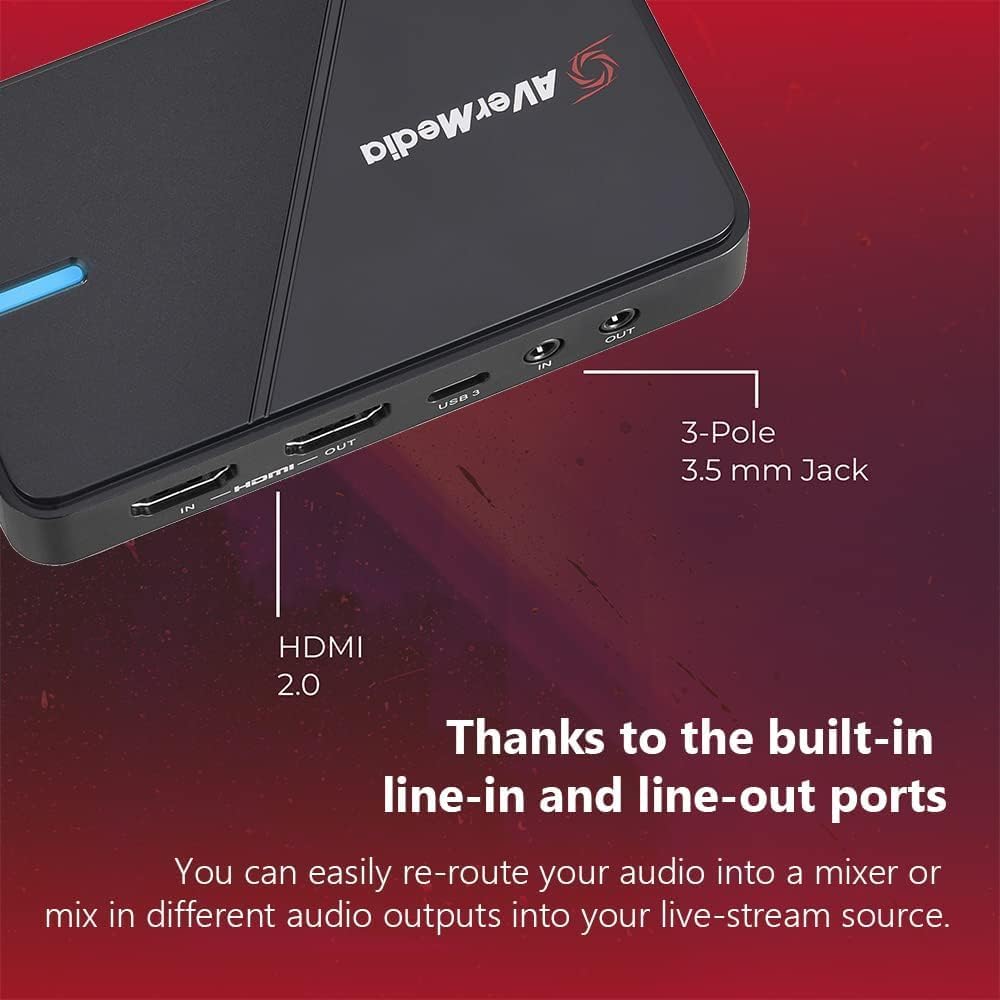
Image 5.5: A detailed view of the 3.5mm line-in and line-out ports, indicating their function for audio integration.
- Multistreaming: Utilize AVerMedia RECentral 4 to push your content to multiple platforms such as YouTube, Twitch, and Facebook simultaneously.
6. Maintenance
To ensure the longevity and optimal performance of your Live Gamer Extreme 3, follow these maintenance guidelines:
- Keep the device in a clean, dry environment, away from direct sunlight and extreme temperatures.
- Clean the exterior with a soft, dry cloth. Avoid using harsh chemicals or abrasive materials.
- Ensure proper ventilation around the device to prevent overheating.
- Handle cables carefully to prevent damage to connectors and ports.
7. Troubleshooting
If you encounter issues with your Live Gamer Extreme 3, refer to the following common solutions:
7.1. No Video or Low Resolution/Framerate
- USB Port: Ensure the capture card is connected to a USB 3.0 or higher port on your computer. Connecting to a USB 2.0 port will limit video capture to 1080p 30fps.
- Cable Check: Verify that all HDMI and USB cables are securely connected and not damaged.
- HDCP: Some consoles or devices may have High-bandwidth Digital Content Protection (HDCP) enabled, which can prevent capture. Disable HDCP in your console's settings if possible.
- Software Settings: Check the video input settings within your streaming software (e.g., OBS Studio, RECentral) to ensure the correct resolution and frame rate are selected.
7.2. No Audio or Audio Issues
- Audio Source: Confirm that the audio source (console, microphone) is correctly configured and outputting sound.
- Software Mixer: In your streaming software, check the audio mixer settings. Ensure the capture card's audio input is enabled and not muted. Adjust volume levels as needed.
- 3.5mm Ports: If using the 3.5mm audio ports, ensure your cables are 3-pole and correctly inserted.
7.3. OBS Studio Specific Setup Tips
Setting up the capture card in OBS Studio can sometimes be challenging for first-time users. Here are some recommended steps:
- In OBS, add a new source: Video Capture Device. Name it appropriately (e.g., 'AVerMedia Capture').
- In the properties window, select your AVerMedia device from the 'Device' dropdown. A preview of your console's output should appear.
- Adjust brightness and contrast settings in this preview window if necessary.
- For audio, set the 'Audio Output Mode' to 'Output desktop audio (DirectSound)' or 'Monitor and Output'. In the Audio Mixer, click the gear icon next to your capture card source and select 'Advanced Audio Properties'. Set 'Audio Monitoring' to 'Monitor and Output' for the capture card source.
- To play games directly from the OBS preview without input lag, right-click the stream preview in OBS and select 'Full Screen Projector (Source)' or 'Windowed Projector (Source)' for your capture card. This allows you to use your PC monitor as a display for your console with minimal latency, provided you are using a USB 3.0 port.
7.4. Compatibility with AVRs
Some users have reported compatibility issues when connecting the capture card through an Audio/Video Receiver (AVR). If you experience problems, try connecting your console directly to the capture card's HDMI IN port and the capture card's HDMI OUT port directly to your display, bypassing the AVR.
8. Specifications
| Brand | AVerMedia |
| Series | Live Gamer Extreme 3 |
| Model Number | GC551G2W |
| Hardware Interface | USB 3.0 |
| Video Capture Resolution | 4K30 |
| Pass-Through Resolution | 4K60 HDR, 1080p240, 1440p120 (with VRR) |
| Operating System Compatibility | Windows 10x64/11x64 or later, iPadOS 17 or later, macOS 13/14 or later |
| Item Weight | 12 ounces |
| Product Dimensions (LxWxH) | 6.8 x 4.65 x 2.68 inches |
| Color | White |
9. Warranty and Support
The AVerMedia Live Gamer Extreme 3 (GC551G2) is designed for reliability and performance. This video capture card is NDAA & TAA Compliant, adhering to regulatory and procurement standards for government entities and organizations.
For detailed warranty information, technical support, and driver updates, please visit the official AVerMedia website or contact their customer service. Keep your purchase receipt for warranty claims.


