
YUSIWOAL High Capacity Pressure Cooker User Manual
Model: 08144 | Brand: YUSIWOAL
1. Introduction
This manual provides essential information for the safe and efficient use of your YUSIWOAL High Capacity Pressure Cooker. Crafted from stainless steel with an insulated handle, this pressure cooker is designed for various cooking needs, including stews and canning. It helps retain nutrients and flavor in food by cooking under high pressure.
Please read all instructions carefully before first use and keep this manual for future reference.

Image 1.1: The YUSIWOAL High Capacity Pressure Cooker, shown in a kitchen setting.
2. Important Safety Information
Failure to follow these safety instructions may result in serious injury or damage to the product. Always exercise caution when operating a pressure cooker.
2.1 General Safety Precautions
- Read all instructions before using the pressure cooker.
- Do not touch hot surfaces. Use handles or knobs.
- Close supervision is necessary when the pressure cooker is used near children.
- Do not place the pressure cooker in a heated oven.
- Extreme caution must be used when moving a pressure cooker containing hot liquids.
- Do not use the pressure cooker for purposes other than its intended use.
- This appliance cooks under pressure. Improper use may result in scalding injury. Make certain the unit is properly closed before operating.
- Never force the pressure cooker open. Do not open until the unit has cooled and internal pressure has been released.
- Never fill the unit above two-thirds full. When cooking foods that expand during cooking, such as rice or dried vegetables, never fill the unit above one-half full.
- Do not place items that may bubble or block the vents inside the pressure cooker.
2.2 Triple Safety Protection System
Your YUSIWOAL pressure cooker is equipped with a triple safety protection system to ensure safe operation:
- Pressure Limiting Valve: Operates within a working pressure range of 45-55kPa. If this pressure is exceeded, a secondary protective device will activate.
- Safety Valve: Operates within a working pressure range of 70-90kPa. If the pressure exceeds this value, a third protection device will activate.
- Beam Lock: Operates within a working pressure range of 100-135kPa. When the pressure is exceeded, the elastic beam springs up, and pressure is released around the lid to prevent the pot from frying.

Image 2.1: Illustration of the three-tier safety mechanism, including the pressure limiting valve, safety valve, and beam lock.
3. Product Overview and Components
The YUSIWOAL pressure cooker features a robust design with key components for safe and efficient cooking.
3.1 Key Features
- Food-Grade Stainless Steel: Ensures safety and durability.
- Insulated Handle: Designed for comfortable and safe handling.
- Easy-Open/Close Handle: User-friendly design for convenient cooking.
- 360° Circulating Pressure: Ensures even heating and nutrient retention.
- Multi-Layer Construction: Includes food-grade stainless steel, laminated aluminum, and austenitic stainless steel for optimal performance.
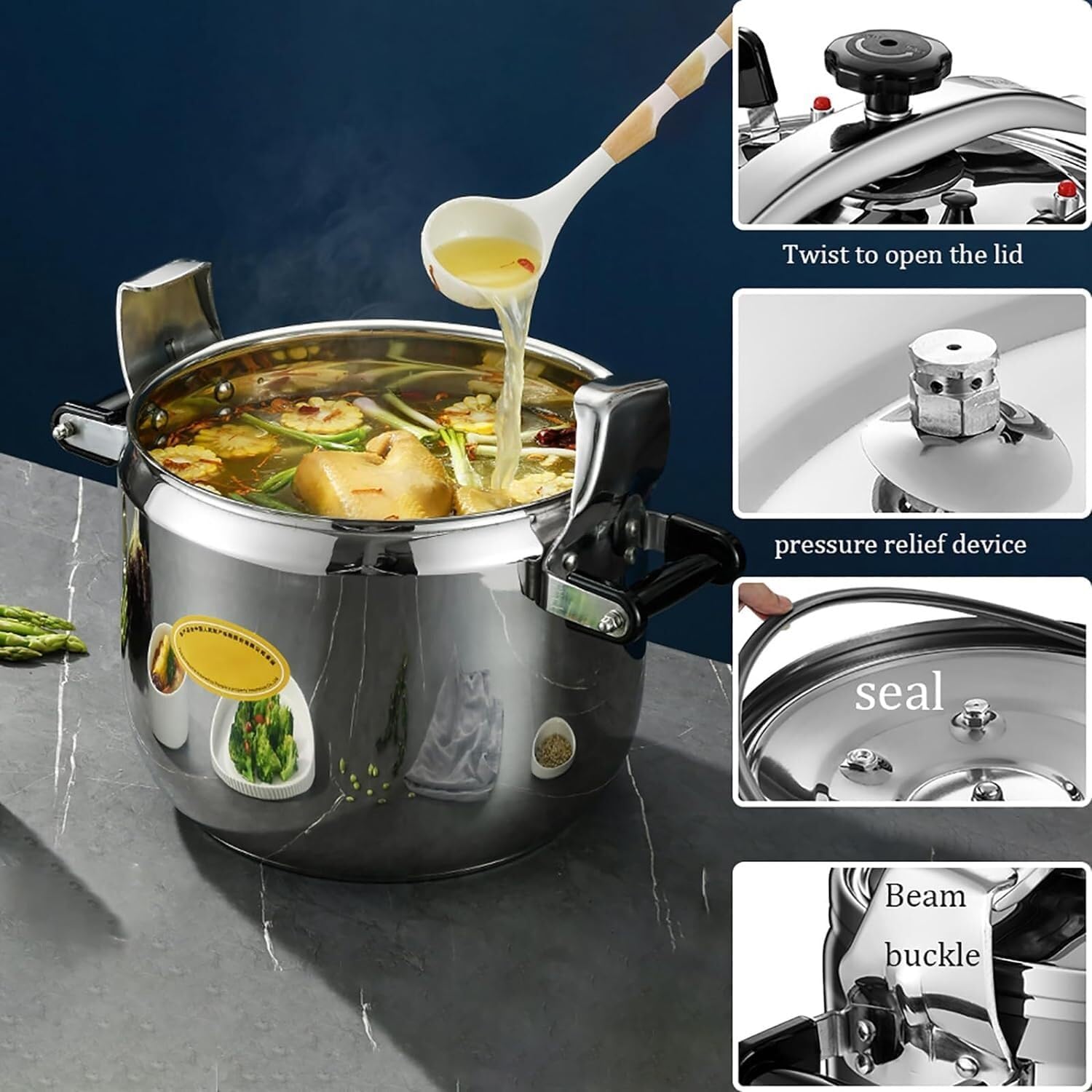
Image 3.1: Close-up of the pressure cooker lid, showing the twist-to-open mechanism, pressure relief device, internal seal, and beam buckle.

Image 3.2: Diagram illustrating the multi-layered construction of the pressure cooker, highlighting the different materials used.
4. Specifications
| Attribute | Value |
|---|---|
| Brand | YUSIWOAL |
| Model Number | 08144 |
| ASIN | B0D3FL22D2 |
| Capacity | Available in 18L, 25L, 30L, 40L, 50L (Specific unit is 18L/32cm) |
| Material | Food-grade Stainless Steel |
| Color | One Color (Silver) |
| Finish Type | Painted |
| Product Dimensions | 3"D x 2"W x 1"H (Note: This appears to be a generic placeholder, refer to dimension table for actual product sizes) |
| Item Weight | 22 pounds (10000 Grams) |
| Wattage | 500 watts (Note: This may refer to an electric model, verify compatibility for your specific unit) |
| Voltage | 110 Volts (Note: This may refer to an electric model, verify compatibility for your specific unit) |
| Compatible Hob Types | Gas, Electric, Glass Ceramic, Induction Cooker, Liquefied Petroleum Gas |

Image 4.1: Detailed dimension table for various pressure cooker sizes, including inner and outer diameters, heights, and net weights.
5. Setup and First Use
5.1 Unpacking
- Carefully remove all packaging materials from the pressure cooker.
- Inspect the cooker for any signs of damage. Do not use if damaged.
- Ensure all components listed in the packaging are present.
5.2 Initial Cleaning
- Before first use, wash the pot, lid, and all removable parts with warm, soapy water.
- Rinse thoroughly and dry completely.
- Do not immerse the lid in water if it contains electrical components (not applicable for this model).
5.3 Preparing for Cooking
- Ensure the sealing ring is properly seated inside the lid.
- Check that the pressure limiting valve and safety valve are clear and free from obstructions.
- Place the pressure cooker on a stable, level surface.
6. Operating Instructions
6.1 Adding Ingredients
- Add your desired ingredients and liquid to the pressure cooker.
- Important: The total amount of water injected should not exceed 2/3 of the total capacity of the pressure cooker. For foods that expand (e.g., rice, beans), do not exceed 1/2 of the total capacity.
- Ensure no food particles are blocking the pressure release vents.

Image 6.1: The deep pot design of the pressure cooker, shown filled with cooked rice.
6.2 Sealing the Lid
- Place the lid on the pot, aligning the lid handles with the pot handles.
- Twist the lid handle to lock it securely in place. Ensure the beam buckle engages properly.
- Verify that the lid is fully sealed and cannot be opened without releasing pressure.
6.3 Cooking Under Pressure
- Place the sealed pressure cooker on your chosen heat source (gas, electric, induction, etc.).
- Set the heat to high. As the temperature rises, steam will build up inside, increasing pressure.
- Once the desired pressure is reached (indicated by the pressure limiting valve or other indicators), reduce the heat to maintain a steady pressure.
- Cook for the recommended time according to your recipe.
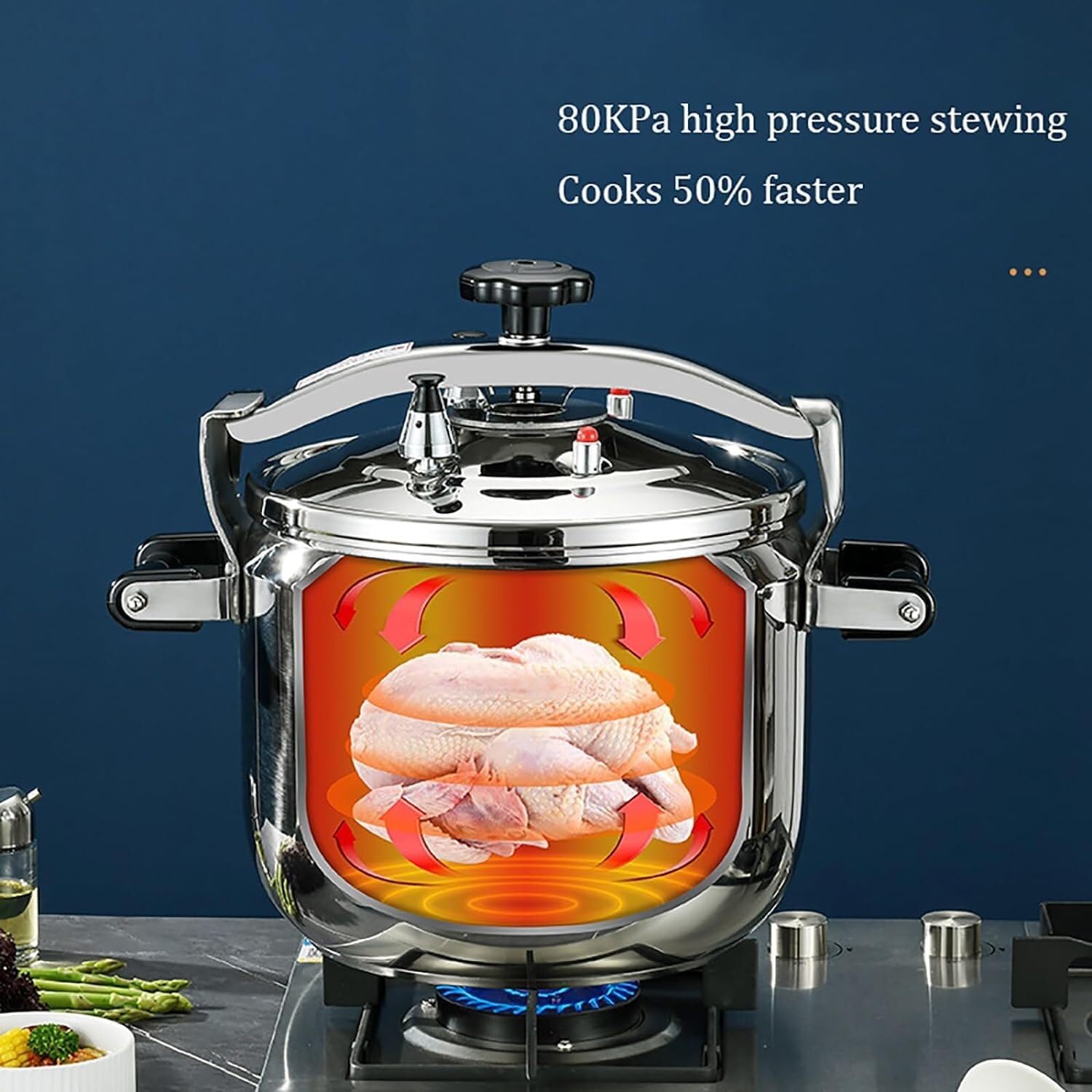
Image 6.2: The pressure cooker in operation on a gas stove, demonstrating high-pressure stewing for faster cooking.
6.4 Releasing Pressure
There are generally two methods for releasing pressure:
- Natural Release: Remove the pressure cooker from the heat source and allow it to cool down naturally. The pressure will gradually decrease. This method is ideal for foods that benefit from a longer cooking time or are prone to foaming.
- Quick Release: For faster pressure release, carefully activate the pressure relief device (if available on your model) or run cold water over the lid (avoiding the valves) until pressure is fully released. Exercise extreme caution to avoid steam burns.
Do not attempt to open the lid until all internal pressure has been released and the safety indicator (if present) has dropped.
7. Maintenance and Cleaning
7.1 After Each Use
- Allow the pressure cooker to cool completely before cleaning.
- Wash the pot and lid with warm, soapy water. Use a non-abrasive sponge or cloth.
- Thoroughly clean the sealing ring, pressure limiting valve, and safety valve to ensure no food particles are lodged.
- Rinse all parts thoroughly and dry immediately to prevent water spots and corrosion.
7.2 Storage
- Store the pressure cooker in a dry place.
- It is recommended to store the lid inverted on the pot or with a cloth in between to allow air circulation and prevent odors.
7.3 Periodic Checks
- Regularly inspect the sealing ring for cracks, hardening, or damage. Replace if necessary.
- Ensure the pressure limiting valve and safety valve move freely and are not clogged.
- Check handles and fasteners for tightness.
8. Troubleshooting
If you encounter issues with your pressure cooker, refer to the following common problems and solutions:
| Problem | Possible Cause | Solution |
|---|---|---|
| Pressure not building up | Lid not sealed properly; Sealing ring damaged or misplaced; Vent pipe clogged; Insufficient liquid. | Ensure lid is securely locked; Check and reposition/replace sealing ring; Clean vent pipe; Add more liquid. |
| Steam leaking from lid | Lid not sealed properly; Sealing ring damaged or dirty; Overfilling the pot. | Re-seat lid; Clean or replace sealing ring; Do not overfill. |
| Food not cooking properly | Insufficient pressure; Incorrect cooking time; Too much liquid. | Verify pressure is maintained; Adjust cooking time; Reduce liquid for next use. |
| Lid stuck after cooking | Pressure not fully released. | Allow more time for natural pressure release or use quick release method carefully. Never force open. |
9. Warranty and Support
For warranty information or customer support, please refer to the documentation provided at the point of purchase or contact your retailer. Keep your proof of purchase for any warranty claims.