
McKesson 768-641-11ANMM
McKesson Premium Aneroid Sphygmomanometer and Stethoscope Combo Kit
User Manual
1. Introduction
This manual provides detailed instructions for the safe and effective use of your McKesson Premium Aneroid Sphygmomanometer and Stethoscope Combo Kit. This kit is designed for professional and home use to measure blood pressure and listen to internal body sounds. Please read this manual thoroughly before first use and retain it for future reference.

Image 1.1: The McKesson Premium Aneroid Sphygmomanometer and Stethoscope Combo Kit, featuring the blood pressure cuff, manometer, inflation bulb, and Sprague Rappaport stethoscope.
2. Safety Information
- This device is intended for use by trained professionals or individuals under the guidance of a healthcare provider.
- Do not attempt to self-diagnose or self-treat based on blood pressure measurements. Consult a healthcare professional for interpretation of results.
- Keep the device out of reach of children and pets.
- Avoid extreme temperatures, humidity, and direct sunlight.
- Do not disassemble or modify the device. Refer all servicing to qualified personnel.
- Ensure the cuff size is appropriate for the arm circumference (23 cm to 40 cm for Size 11 cuff) to ensure accurate readings and prevent injury.
- Statements regarding dietary supplements have not been evaluated by the FDA and are not intended to diagnose, treat, cure, or prevent any disease or health condition. This product is a medical device, not a dietary supplement.
3. Components Overview
Your McKesson Premium Aneroid Sphygmomanometer and Stethoscope Combo Kit includes the following components:
- Aneroid Sphygmomanometer: Consists of a black enamel 300mmHg manometer (gauge), an inflation bladder, and an inflation bulb with a release valve.
- Nylon Arm Cuff: Size 11, designed for arm circumferences of 23 cm to 40 cm. Features an Adcuff calibrated nylon cuff with a proprietary size guide marking system.
- Sprague Rappaport Stethoscope: A professional stethoscope with a 22-inch tube length.
- Carrying Case: An XL color-matched, dual-pocket carrying case (9 inches x 5 inches x 2 inches) for convenient storage and transport.
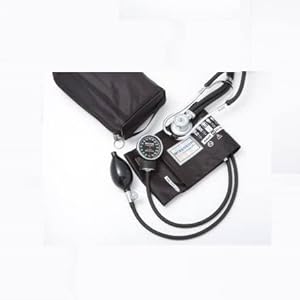
Image 3.1: The McKesson Blood Pressure Kit, including the sphygmomanometer and stethoscope, neatly stored within its compact carrying case.
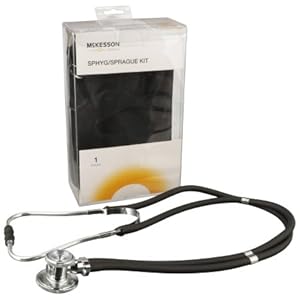
Image 3.2: The Sprague Rappaport Stethoscope, shown with its original packaging, highlighting its professional design.
4. Setup
4.1 Sphygmomanometer Setup
- Remove all components from the carrying case.
- Ensure the inflation bladder tube is securely connected to the manometer.
- Ensure the inflation bulb is securely connected to the inflation bladder.
- Verify that the air release valve on the inflation bulb is fully closed by turning it clockwise.
4.2 Stethoscope Setup
- Gently pull the eartips outwards and insert them into your ears, ensuring they point forward, towards the bridge of your nose. This aligns the eartubes with your ear canals for optimal sound transmission.
- Confirm the diaphragm or bell is properly attached and the rotating valve is set to the desired side (diaphragm or bell) for auscultation.
5. Operating Instructions
5.1 Measuring Blood Pressure with Sphygmomanometer
- Patient Preparation: Ensure the patient is relaxed, seated comfortably with their arm supported at heart level. Avoid talking during the measurement.
- Cuff Placement:
- Slide the cuff onto the bare upper arm, approximately 1 inch (2-3 cm) above the elbow joint.
- Align the artery marker on the cuff with the brachial artery (typically on the inside of the arm).
- Wrap the cuff snugly around the arm, ensuring it is not too tight or too loose. Utilize the Adcuff calibrated nylon cuff with its proprietary size guide marking system to ensure correct fit for arm circumferences between 23 cm and 40 cm.
- Inflation: Close the air release valve on the inflation bulb by turning it clockwise. Rapidly inflate the cuff by squeezing the bulb until the manometer reads approximately 20-30 mmHg above the patient's usual systolic pressure, or 180-200 mmHg if unknown.
- Deflation and Reading:
- Slowly open the air release valve by turning it counter-clockwise, allowing the pressure to drop at a rate of 2-3 mmHg per second.
- While deflating, listen for Korotkoff sounds through the stethoscope placed over the brachial artery.
- The point at which the first clear, tapping sound is heard is the Systolic Pressure.
- Continue deflating. The point at which the sounds disappear completely is the Diastolic Pressure.
- Record Results: Note both systolic and diastolic readings.

Image 5.1: A healthcare professional demonstrating the proper technique for measuring blood pressure using the McKesson Sphygmomanometer and Stethoscope kit.

Image 5.2: A patient's arm with the McKesson blood pressure cuff correctly positioned for a measurement, illustrating the proper application.
5.2 Using the Sprague Rappaport Stethoscope
- Select Chestpiece Side: The Sprague Rappaport stethoscope features a dual-head chestpiece. Rotate the stem to select either the diaphragm (larger side, for high-frequency sounds) or the bell (smaller side, for low-frequency sounds). A click indicates the active side.
- Placement: Place the active side of the chestpiece firmly on the patient's skin over the area where sounds are to be auscultated (e.g., brachial artery for blood pressure, heart, lungs).
- Listen: Listen carefully for the desired sounds. Adjust pressure on the chestpiece as needed.
6. Maintenance and Care
- Cleaning:
- Wipe the manometer, cuff, and stethoscope with a soft cloth dampened with a mild disinfectant solution (e.g., 70% isopropyl alcohol).
- Do not immerse any part of the device in liquid.
- Ensure all components are completely dry before storage.
- Storage: Store the kit in its included XL color-matched, dual-pocket carrying case (9 inches x 5 inches x 2 inches) in a cool, dry place, away from direct sunlight and extreme temperatures.
- Inspection: Regularly inspect the tubing for cracks, the cuff for wear, and the manometer for proper calibration.
7. Troubleshooting
| Problem | Possible Cause | Solution |
|---|---|---|
| Inaccurate blood pressure readings. | Incorrect cuff size or placement; air leak in system; uncalibrated manometer; patient movement/talking. | Ensure correct cuff size (23-40 cm for Size 11) and proper placement. Check all connections for leaks. Have manometer calibrated by a professional if suspected. Ensure patient is still and quiet. |
| Cuff does not inflate or deflates too quickly. | Air release valve open; loose connections; leak in bladder or tubing. | Close the air release valve. Check all tubing connections. Inspect bladder and tubing for punctures or cracks. Replace faulty components if necessary. |
| No sound or faint sound from stethoscope. | Eartips not properly oriented; chestpiece not active; tubing obstruction; diaphragm/bell loose. | Ensure eartips point forward into ear canals. Rotate chestpiece stem to activate desired side. Check tubing for kinks or blockages. Ensure diaphragm/bell is securely attached. |
8. Specifications
- Product Dimensions: 10 x 5.5 x 2.5 inches
- Item Weight: 1.61 Pounds
- Item Model Number: 768-641-11ANMM
- Manufacturer: McKesson Brand
- ASIN: B0D239S774
- Display Type: Analog
- Cuff Size: Size 11 (1 ct)
- Recommended Arm Circumference: 23 cm to 40 cm
- Stethoscope Tube Length: 22 inches
- Age Range (Description): Adult
9. Support and Contact Information
For further assistance, technical support, or inquiries regarding your McKesson Premium Aneroid Sphygmomanometer and Stethoscope Combo Kit, please refer to the official McKesson website or contact their customer service department.
Manufacturer: McKesson Brand
For the latest information and support resources, please visit the McKesson Store on Amazon.
Ask a question about this manual
Ask about setup, troubleshooting, compatibility, parts, safety, or missing instructions. Manuals+ will review the question and use this page’s manual context to help answer it.