
1. Product Overview
This manual provides essential information for the safe and efficient use of your FAHKNS 3HP Single Phase Farm Duty Electric Motor, Model 161324-1. Please read this manual thoroughly before installation or operation.

Image 1.1: Overview of the FAHKNS 3HP Electric Motor.
Key Features:
- Power: 3 Horsepower
- Speed: 3450 RPM
- Voltage: 208-230V, Single Phase
- Current: 15.0-14.0A
- Frame Type: 56 Frame
- Shaft Dimensions: 5/8" diameter, 1.88" length
- Enclosure: TEFC (Totally Enclosed Fan Cooled)
- Rotation: CW/CCW (Clockwise/Counter-Clockwise) reversible
- Certification: CSA Certified
2. Safety Information
WARNING: Read all safety warnings and instructions. Failure to follow the warnings and instructions may result in electric shock, fire, and/or serious injury.
- Always disconnect power before installing, servicing, or performing maintenance on the motor.
- Ensure all wiring is performed by a qualified electrician and complies with local and national electrical codes.
- Verify the motor's voltage and current ratings match the power supply.
- Do not operate the motor in wet or damp conditions unless specifically designed for such environments.
- Keep hands, hair, and clothing clear of moving parts during operation.
- Ensure proper grounding to prevent electrical shock.
- Do not exceed the motor's rated load. Overloading can cause overheating and damage.

Image 2.1: The motor is CSA certified, ensuring compliance with safety standards.
3. Installation and Setup
Proper installation is critical for the motor's performance and longevity.
3.1 Unpacking and Inspection
- Carefully remove the motor from its packaging.
- Inspect the motor for any signs of shipping damage. Report any damage to the carrier immediately.
- Verify that all components listed in the packing list are present.
3.2 Mounting
- Mount the motor securely on a stable, level surface using appropriate fasteners.
- Ensure adequate ventilation around the motor, especially for the fan-cooled end, to prevent overheating.

Image 3.1: The motor features a fully enclosed fan for efficient cooling, indicated by airflow arrows.
3.3 Electrical Connection
Refer to the wiring diagram provided with the motor for correct electrical connections. Incorrect wiring can damage the motor and pose safety risks.
- Ensure the power supply matches the motor's voltage (208-230V) and frequency (60Hz).
- Connect the motor to a dedicated circuit with a circuit breaker rated at least three times the motor's rated current (15.0-14.0A) for safe startup, without exceeding the load.
- Properly ground the motor according to local electrical codes.
- For CW/CCW rotation changes, follow the specific wiring instructions provided with the motor.
3.4 Shaft and Pulley Installation
When installing a pulley or coupling onto the motor shaft, exercise caution.
- Do not use a hammer to force a pulley onto the shaft, as this can damage internal motor components.
- Use appropriate tools and methods, such as a shaft puller/installer, to ensure proper alignment and prevent damage.

Image 3.2: Detailed view of the motor shaft, showing 5/8" diameter and 1.88" length, with indicators for CW/CCW rotation.
4. Operating Instructions
Before initial operation, ensure all installation steps are completed and verified.
4.1 Pre-Operation Check
- Confirm all electrical connections are secure and correct.
- Ensure the motor is properly grounded.
- Check that there are no obstructions around the motor or its fan.
- Run the motor without load initially to check for normal operation, unusual noises, or vibrations.
4.2 Starting and Stopping
- To start the motor, engage the power supply.
- To stop the motor, disengage the power supply.
- Avoid frequent starting and stopping, especially under heavy load, to prolong motor life.
4.3 Load Management
Operate the motor within its rated horsepower and current limits. Continuous overloading will lead to overheating and premature failure.

Image 4.1: Examples of typical applications for this type of electric motor, including industrial machinery and agricultural equipment.
5. Maintenance
Regular maintenance ensures optimal performance and extends the lifespan of your electric motor.
5.1 General Cleaning
- Keep the motor clean and free from dust, dirt, and debris, especially around the cooling fan and vents.
- Use a soft brush or compressed air for cleaning. Do not use water or solvents directly on the motor.
5.2 Bearing Lubrication
This motor is equipped with pre-lubricated bearings designed for long-term operation. Under normal conditions, additional lubrication may not be required for a significant period. Consult a qualified technician if unusual bearing noise is detected.
5.3 Inspection Schedule
- Monthly: Check for unusual noises, vibrations, or excessive heat. Inspect wiring for damage or loose connections.
- Quarterly: Clean the motor exterior and cooling fan. Verify mounting bolts are secure.
- Annually: Have a qualified technician inspect the motor's internal components, including windings and bearings, if operating in demanding conditions.
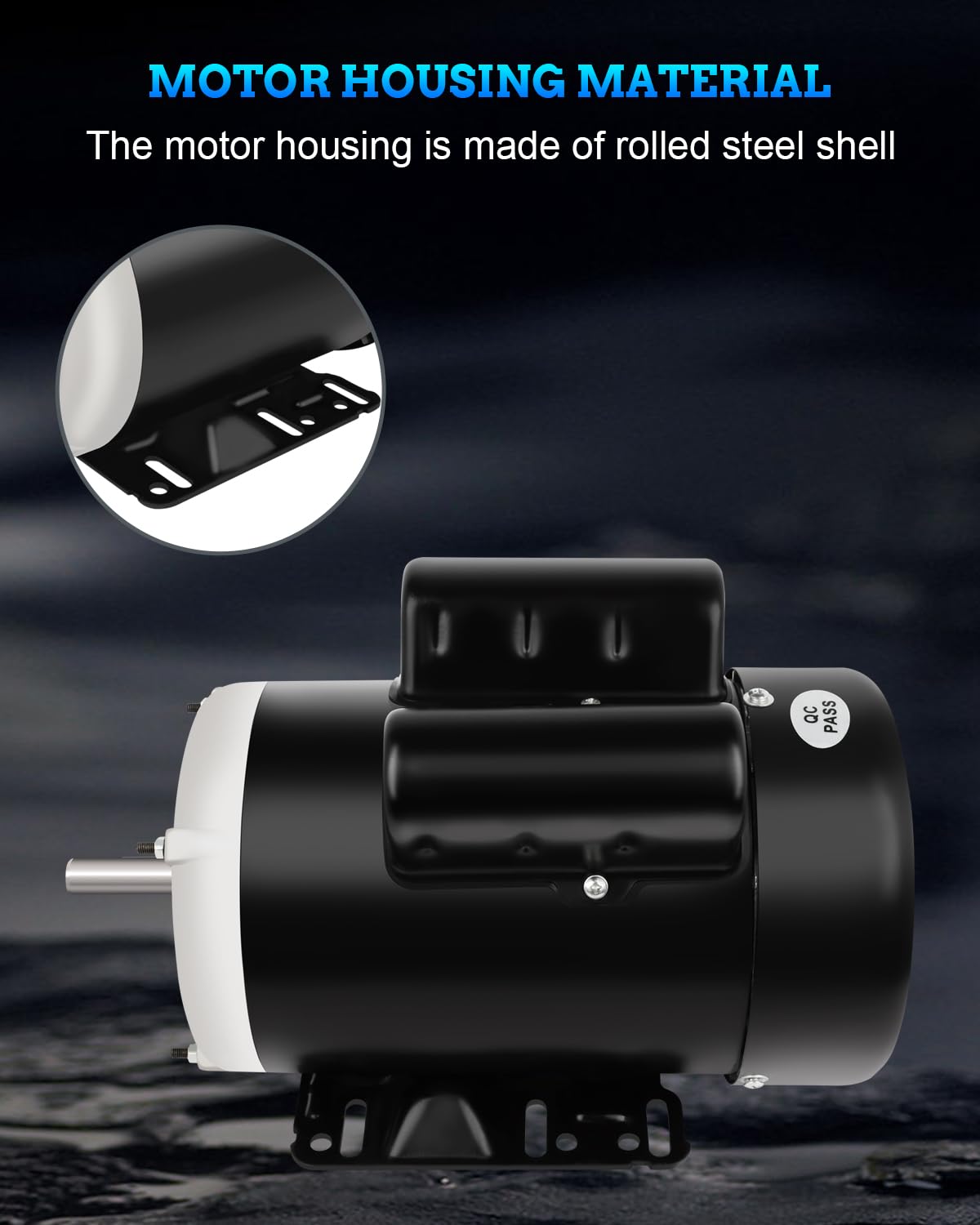
Image 5.1: The motor housing is constructed from rolled steel, offering durability and efficient heat dissipation.
6. Troubleshooting
This section provides solutions to common issues. For problems not listed here, contact customer support.
| Problem | Possible Cause | Solution |
|---|---|---|
| Motor does not start | No power supply; Incorrect wiring; Overload protection tripped; Damaged motor. | Check power source and circuit breaker; Verify wiring against diagram; Reduce load; Consult technician. |
| Motor overheats | Overloading; Insufficient ventilation; High ambient temperature; Damaged bearings. | Reduce load; Clear obstructions from fan/vents; Ensure proper operating environment; Consult technician. |
| Excessive noise or vibration | Loose mounting; Misaligned coupling/pulley; Worn bearings; Unbalanced load. | Tighten mounting bolts; Check alignment; Consult technician for bearing replacement; Balance load. |
| Motor runs slowly or with reduced power | Low voltage; Overloading; Damaged windings. | Verify power supply voltage; Reduce load; Consult technician. |
7. Specifications
| Specification | Value |
|---|---|
| Brand | FAHKNS |
| Model Number | 161324-1 |
| Horsepower (HP) | 3 HP |
| Rotation Speed (RPM) | 3450 RPM |
| Voltage | 208-230 Volts |
| Amperage | 15.0-14.0 Amps |
| Frequency (HZ) | 60 HZ |
| Phase | Single Phase |
| Frame Type | 56 Frame |
| Shaft Diameter | 5/8 inches |
| Shaft Length | 1.88 inches |
| Enclosure Type | TEFC (Totally Enclosed Fan Cooled) |
| Insulation Class | F |
| Service Factor | 1.15 |
| Poles | 2 Pole |
| Rotation | CW/CCW (Reversible) |
| Product Dimensions | 7.95 x 7.95 x 8.6 inches |
| Weight | 36.49 Pounds |

Image 7.1: The motor's specification label provides key operational details.
8. Warranty and Support
8.1 Warranty Information
Specific warranty details for this FAHKNS product are typically provided at the point of purchase or within separate documentation. Please retain your proof of purchase for warranty claims. For detailed warranty terms, refer to the documentation included with your motor or contact FAHKNS customer service.
8.2 Customer Support
If you have any questions regarding the installation, operation, maintenance, or troubleshooting of your FAHKNS electric motor, please contact FAHKNS customer support. When contacting support, please have your model number (161324-1) and purchase information ready.
For assistance, you may visit the FAHKNS Store on Amazon or refer to the contact information provided with your product.