
1. Introduction
The YeloDeer Internal Self-regulating In-Pipe Heating Cable is designed to prevent water pipes from freezing, ensuring a continuous water supply in cold conditions. This cable is installed directly inside the pipe, making it an ideal solution for pipes that are buried, encased in walls, or otherwise inaccessible for external heating methods. Its self-regulating technology adjusts heat output based on water temperature, optimizing energy use and preventing overheating. This product is CSA certified for electrical safety, drinking water safety, and water pressure resistance.
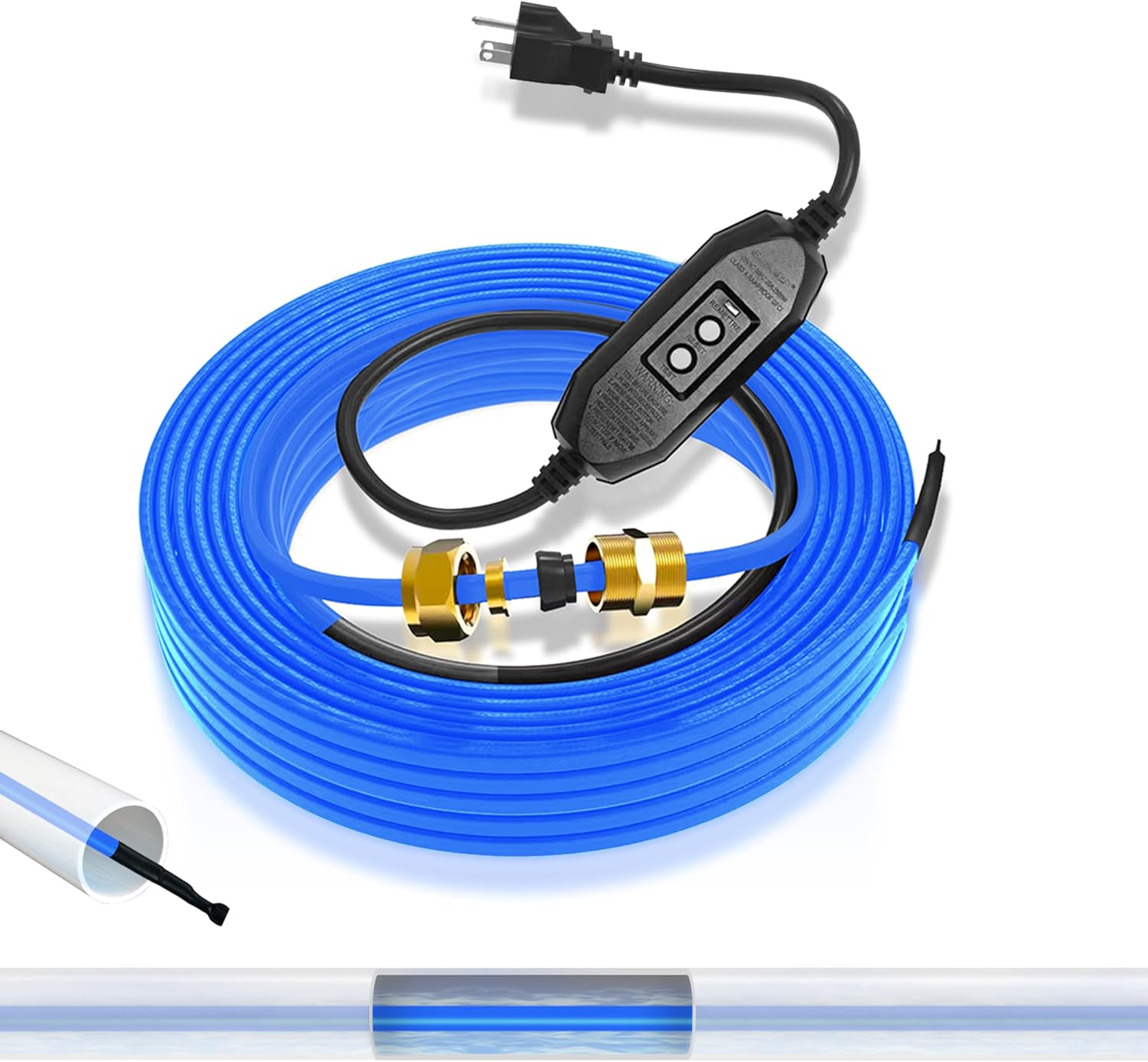
Figure 1: YeloDeer In-Pipe Heating Cable with fittings.
2. Safety Information
Please read and understand all safety instructions before installation and operation. Failure to follow these instructions may result in electric shock, fire, or property damage.
- CSA Certified: The entire heating cable system is CSA certified under the latest 2025 standards, ensuring compliance with rigorous safety requirements for electrical, drinking water, and water pressure resistance.
- GFCI Protection: The integrated Ground Fault Circuit Interrupter (GFCI) plug provides protection against electric shock by cutting off power within milliseconds if an electrical leakage is detected. Always use a properly functioning GFCI outlet.
- Drinking Water Safe: The cable features a superior fluoropolymer sheath, ensuring that water passing through remains safe for drinking.
- Electrical Requirements: Connect only to a 120V AC, 15A circuit.
- Overheating Prevention: The self-regulating design prevents overheating of the cable and pipes.
- Professional Installation: If you are unsure about any part of the installation process, consult a qualified electrician or plumber.

Figure 2: GFCI Plug with LED Indicator and Control Buttons.
GFCI Indicator Status:
- Green: Device is operating normally.
- RED: Indicates a fault or requires reset.
- OFF: Device needs to be reset.
GFCI Button Functions:
- RESET Button: After a fault or power interruption, press this button to restore normal operation. The LED indicator will turn green.
- TEST Button: Checks if the GFCI plug is functioning correctly. If the LED indicator turns off when pressed, the GFCI is working properly.

Figure 3: CSA Certification for YeloDeer In-Pipe Heating Cable.
3. Product Overview
The YeloDeer In-Pipe Heating Cable is a self-regulating heat trace cable designed for internal pipe installation. It provides reliable freeze protection for potable water pipes, ensuring water flow even in frigid temperatures. The cable's fluoropolymer outer jacket ensures water safety.
3.1 Key Features
- Internal Installation: Designed to be installed directly inside water pipes.
- Self-regulating Technology: Dynamically adjusts heat output (3 to 6 watts per foot) based on water temperature, preventing overheating and optimizing energy consumption.
- CSA Certified: Meets safety standards for electrical, drinking water, and pressure resistance.
- Potable Water Safe: Constructed with F46 fluoropolymer material, ensuring water remains safe for drinking.
- Durable: Resistant to water pressure up to 230 PSI.
- Pre-assembled: Equipped with standard 3/4 NPT threaded fittings and a GFCI plug for easy installation.

Figure 4: Key Features and Benefits.
3.2 Applications
This heating cable is suitable for a wide range of applications where pipes are susceptible to freezing, including:
- Water supply pipes from lakes, reservoirs, or springs to villas, residences, and barns.
- Drinking water lines.
- Processed water lines.
- Wastewater lines.
- Buried pipes, existing pipes, and indoor pipes.

Figure 5: Designed for Water Supply and Drainage Pipes.
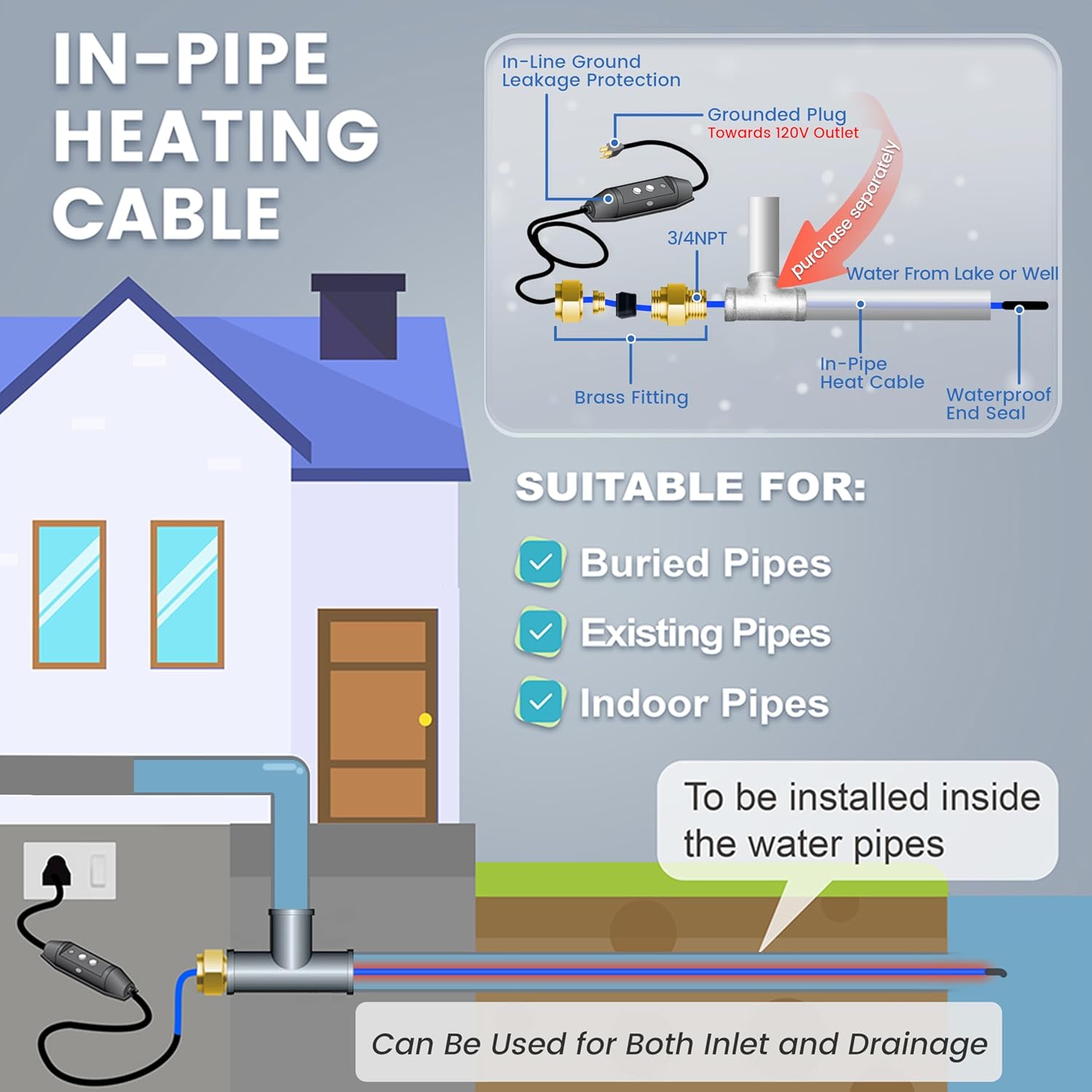
Figure 6: Suitable for Various Pipe Types.

Figure 7: Widespread Application Examples.
4. Specifications
| Feature | Specification |
|---|---|
| Model | 10-feet |
| Rated Voltage | 110-120V |
| Output @ 50°F (10°C) | 3W/ft |
| Heat-resistant Temperature | 356°F (180°C) |
| Cable Bus Wires Gauge | 18AWG |
| Outer Jacket Material | Fluoropolymer (F46) |
| Mini. Circuit Breaker Size | 15A |
| Normal Cable Thickness | 5.0mm |
| Normal Cable Width | 10.7mm |
| Power Cord Length | 4 Ft. |
| Electrical Classification | Nonhazardous & hazardous |
| Installation Method | In Pipe-Mounted |
| Water Pressure Resistance | 230 PSI |
| Included Components | Heating Cable, Installation Manual |
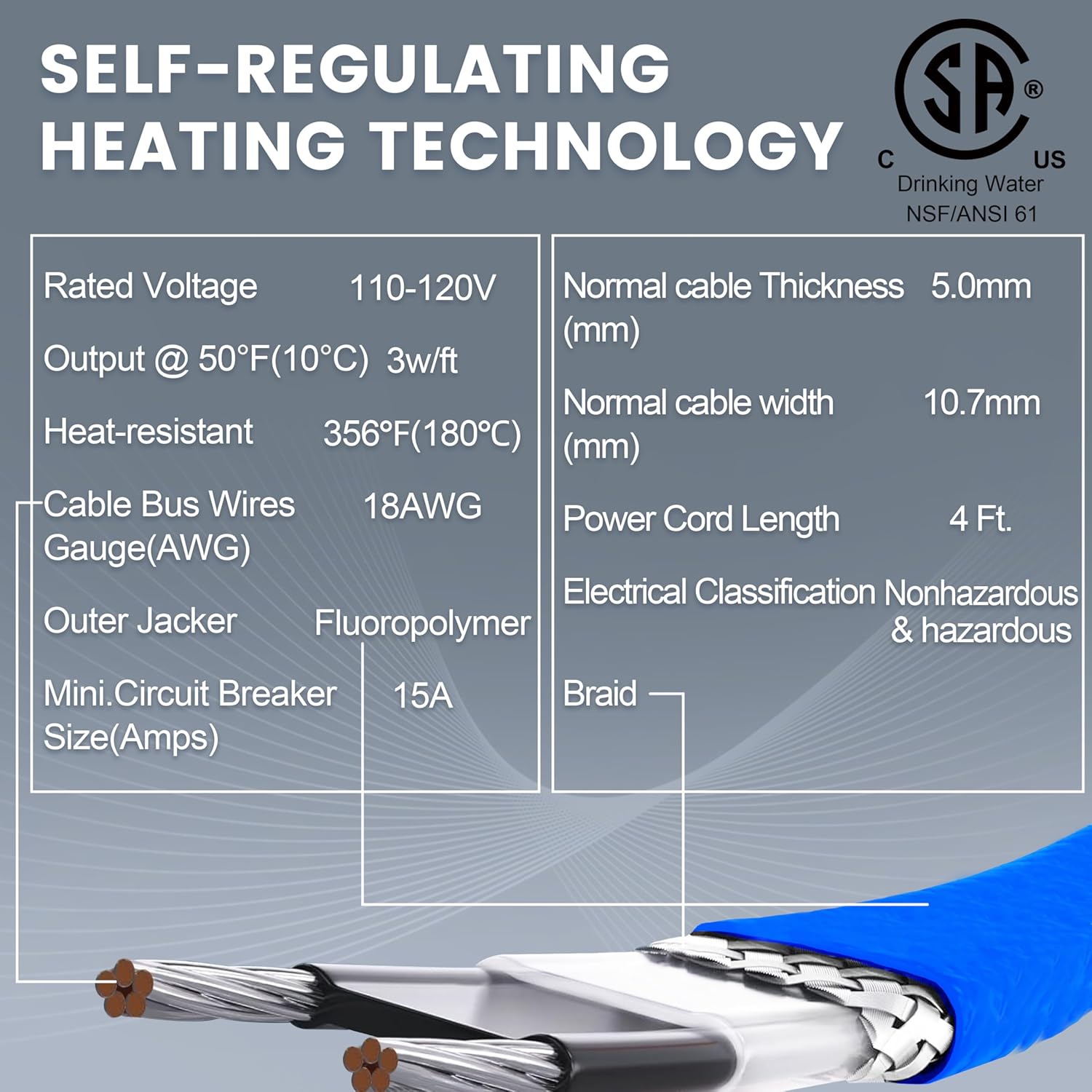
Figure 8: Detailed Specifications of the Heating Cable.

Figure 9: Self-regulating Heating Technology Explained.
5. Setup and Installation
The YeloDeer In-Pipe Heating Cable is pre-assembled for ease of installation. It comes with standard 3/4 NPT threaded fittings. Adapters for different pipe sizes may be purchased separately.
5.1 Measuring Pipeline Length
Before purchasing, accurately measure the length of the pipe section requiring freeze protection. If external measurement is not feasible, a fish line can be inserted into the pipe to determine the internal length. Choose a heating cable length that is equal to or slightly longer than your measured length.

Figure 10: How to Measure Pipeline Length.
5.2 Installation Steps
- Determine Entry Point: Identify the section of pipe where the 'T' fitting will be installed, considering the power supply location. Cut out the necessary pipe section.
- Install 'T' Fitting: Install a 3/4 NPT (19mm) 'T' fitting as shown in the diagram. If your 'T' fitting is not 3/4 NPT, an extra adapter (purchased separately) will be needed.
- Insert Heating Cable:
- Option A (for pipes less than 150ft/46m): Push the heating cable into the pipe until it reaches the end.
- Option B (for longer pipes or resistance): If the cable cannot be pushed to the end due to resistance, use a fish tape to pull the cable from the other end of the pipe.
- Seal Tight: Screw the brass adapter firmly to the 'T' fitting. Properly align and compress the rubber seal. You may wrap appropriate PTFE tape around the threads of the nuts to ensure a tight seal and prevent leaks.
- Power On: Activate and test the cable per the instructions in the Safety Information section.

Figure 11: Installation Steps.

Figure 12: Example of In-Pipe Installation.
5.3 Adjusting Cable Length (if necessary)
If you have purchased a cable slightly longer than your pipe, you can adjust the length of the heating section inside the pipe.
- Loosen the Compression Nut: Use a wrench or channel lock to loosen the brass nut. This nut applies pressure to keep the cable secure in the pipe.
- Adjust the Cable Length: Slide the grommet along the cable to shorten it to the desired length inside the pipe. This adjusts how much of the heating cable remains inside the pipe.
- Tighten the Nut: Hand-tighten the nut first, then use a wrench to further tighten it, ensuring a tight seal and preventing leaks.
- Handle Excess Cable: Any excess heating cable outside the pipe should be neatly coiled and secured with nylon zip ties. Note that the heating section of the cable outside the pipe will also generate heat, potentially reaching temperatures up to 60°C (140°F). Proper handling is necessary to prevent burns.

Figure 13: Adjusting Cable Length.
6. Operation
Once installed and connected to a 120V GFCI outlet, the YeloDeer In-Pipe Heating Cable operates automatically due to its self-regulating properties. It will sense the pipe temperature and adjust its heat output accordingly to prevent freezing.
6.1 GFCI Plug Operation
Ensure the GFCI plug is properly connected and the green LED indicator is lit, signifying normal operation. Regularly test the GFCI by pressing the 'TEST' button, then 'RESET' to ensure it functions correctly.
6.2 Optional Temperature Controller
For enhanced control and energy efficiency, an optional YeloDeer Thermostat Controller can be integrated. This controller automatically turns the heating cable ON and OFF based on set temperatures, further minimizing energy costs and extending the cable's lifespan. This accessory is sold separately.

Figure 14: Optional Temperature Controller.
7. Maintenance
The YeloDeer In-Pipe Heating Cable requires minimal maintenance due to its robust design and self-regulating nature.
- Regular Inspection: Periodically check the visible parts of the cable and the GFCI plug for any signs of damage, wear, or corrosion.
- GFCI Testing: Test the GFCI plug monthly to ensure it is functioning correctly.
- Cleanliness: Keep the GFCI plug and power cord free from dirt, debris, and moisture.
- Avoid Physical Damage: Ensure the cable is not subjected to sharp bends or excessive pulling that could damage its internal components or outer jacket.
8. Troubleshooting
Here are answers to common questions and troubleshooting tips:
- Q: My pipe has elbows, can this in-pipe heating cable go through them?
A: No, this in-pipe heating cable is not suitable for sharp bends. For such turns, use smoother bends to allow the cable to pass through easily. - Q: My pipe has gradual bends, can this in-pipe heating cable navigate through them?
A: Yes, this in-pipe heating cable is designed for sweeping gradual bends. It will navigate through without issues as long as there are no sharp turns. - Q: Does this in-pipe heating cable require a thermostat?
A: A thermostat is not required but highly recommended. It reduces energy use by automatically controlling heating, preventing constant full-power operation. For this purpose, the YeloDeer Pipe Heating Controller is specifically designed to optimize the operation. - Q: Do I need to use insulation with the YeloDeer In-Pipe Heating Cable, and what type is recommended?
A: Insulation is recommended, especially for above-ground installations, to reduce heat loss and lower energy use. For buried pipes, no additional insulation is needed. Use materials like closed-cell polyethylene sleeves. - Q: If there is a power outage, do you have to manually reset the ground fault protection? Can it be set to automatically restart when power returns?
A: The GFCI only needs to be manually reset if it detects a ground fault. During a regular power outage, the GFCI should not trip. Once power is restored, the system should operate normally without needing a reset.

Figure 15: Common Questions and Answers.
9. Warranty and Support
For any questions, concerns, or support needs regarding your YeloDeer In-Pipe Heating Cable, please contact YeloDeer customer service. Our representative, Demi, is available to assist you.
Please refer to your purchase documentation or the YeloDeer official website for specific warranty terms and conditions.
Contact Information:
- Refer to the contact details provided with your product packaging or on the YeloDeer brand store.
- Visit the YeloDeer Store on Amazon for more information.