
1. Introduction
The WENGART DC Molded Case Circuit Breaker (MCCB) is specifically designed for direct current (DC) circuits. It provides essential protection against overloads and short circuits in various DC systems. Its insulating plastic casing and optimized internal structure are engineered to handle the unique characteristics of DC current.
This MCCB is capable of rapidly identifying overload or short-circuit conditions and disconnecting the circuit to prevent damage to electrical components and equipment. It is crucial for ensuring stable electrical system operation and user safety in a wide range of DC power applications.
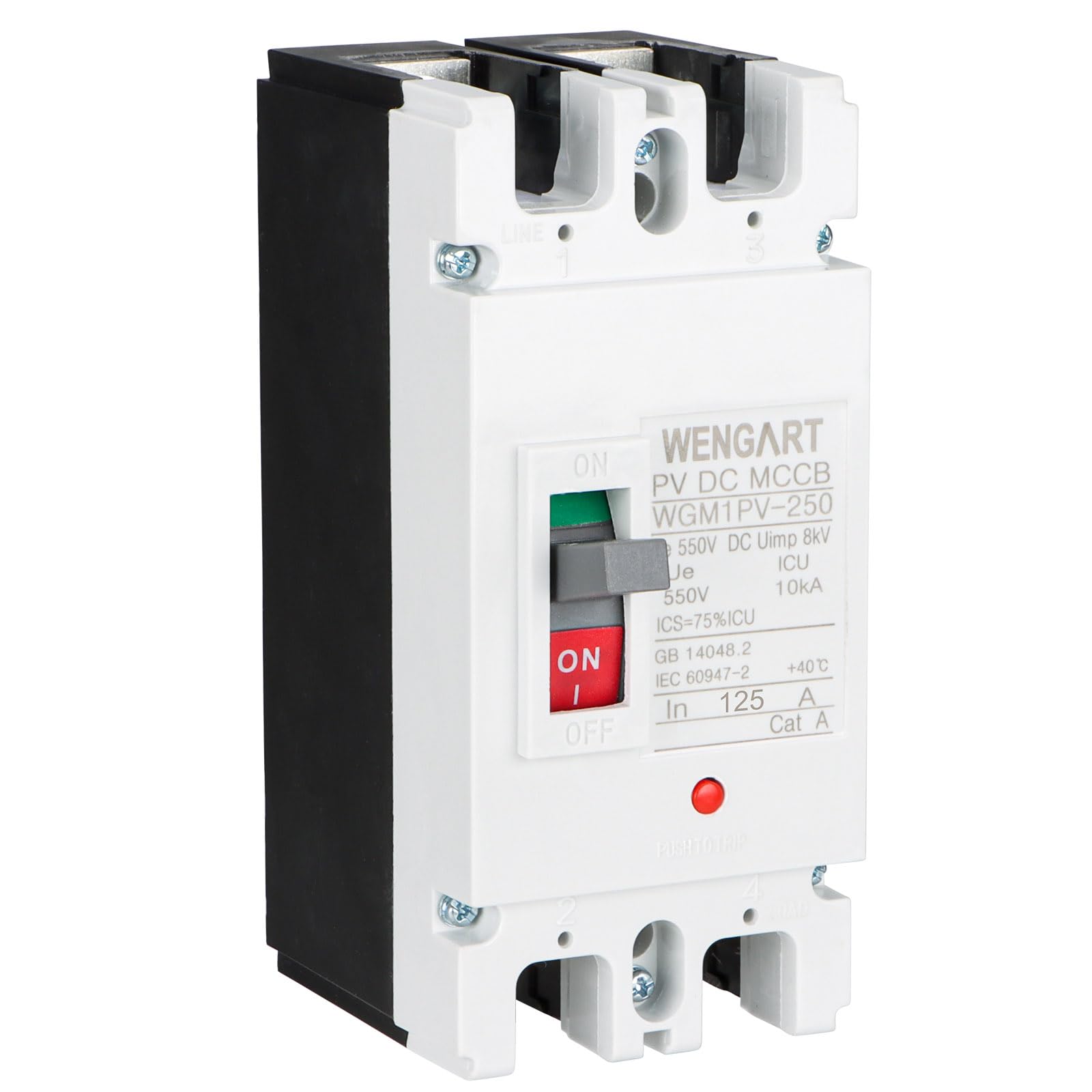
Figure 1: WENGART MCCB WGM1PV-250 DC Solar Circuit Breaker.
2. Product Features
- Advanced Protection: Utilizes advanced technology for rapid circuit disconnection during overload or short circuit events, enhancing system safety.
- Durability & Reliability: Constructed for excellent durability and reliability, ensuring long-term stability and reduced maintenance.
- Versatile Application: Applicable across various DC systems, including solar power generation, electric vehicle charging stations, and DC power distribution.
- Easy Installation: Features a user-friendly design with compact size for straightforward installation and wiring.
- Environmental Adaptability: Operates stably within a wide temperature range of -10°C to 50°C.
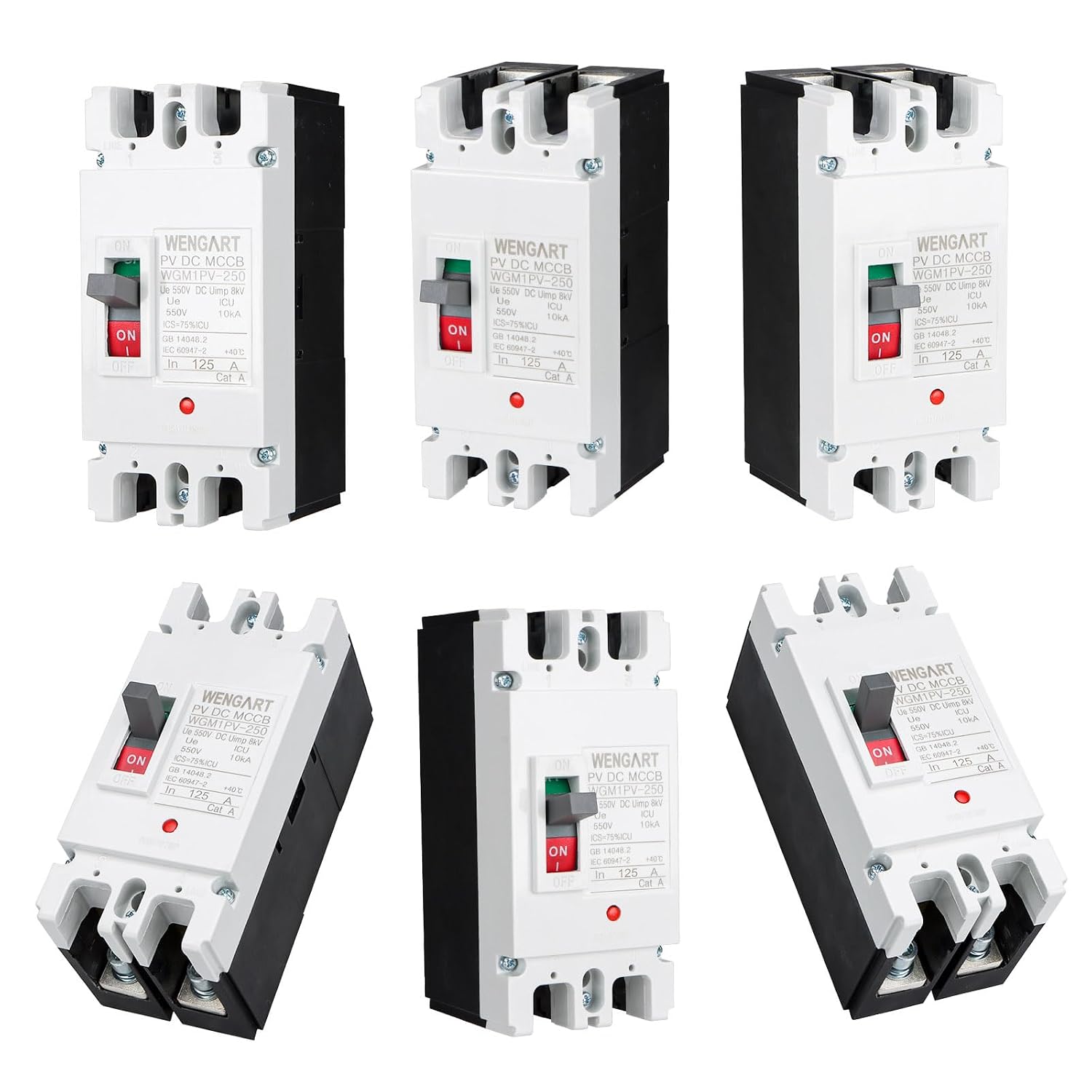
Figure 2: Key features of the WENGART DC MCCB.
3. Specifications

Figure 3: Product parameters and dimensions.
| Parameter | Value |
|---|---|
| Brand | WENGART |
| Model | WGM1PV-250 |
| Current Rating | 125 A |
| Voltage Rating (Ue) | DC 550 V |
| Impulse Withstand Voltage (Uimp) | 8 KA |
| Breaking Capacity (ICU) | 10 KA |
| Number of Poles | 2P |
| Product Dimensions (D x W x H) | 17.3 x 12.2 x 8.2 cm |
| Item Weight | 930 Grams |
| Mounting Type | Bolt-on mounting |
| Protection Level | IP20 |
| Operating Temperature | -10°C to 50°C |
| Certification | CE, ISO, RoHS |
4. What's in the Box
The product package includes the following item:
- 1 x MCCB Circuit Breaker (WGM1PV-250 125A)
5. Setup and Installation
Proper installation is critical for the safe and effective operation of the circuit breaker. It is recommended that installation be performed by a qualified electrician.
5.1 Product Structure Overview

Figure 4: Product structure analysis, highlighting input, output, mounting hole, operation handle, test button, and parameter table.
Familiarize yourself with the components:
- Input: Terminals for incoming DC power.
- Output: Terminals for outgoing DC power to the load.
- Mounting Hole: Used for securing the MCCB via bolt-on mounting.
- Operation Handle: Controls the ON/OFF state of the circuit breaker.
- Test Button: Used to manually trip the circuit breaker for testing its functionality.
- Parameter Table: Displays key specifications on the device label.
5.2 Wiring Diagram

Figure 5: Wiring configurations for the DC MCCB.
Refer to the wiring diagram for correct connection procedures. Ensure all connections are secure and comply with local electrical codes.
- 1-Pole 250V Configuration: Connect the positive (L+) and negative (L-) lines from the power source to the respective input terminals. Connect the load to the corresponding output terminals.
- 500V Wiring (S-Shape): For higher voltage applications, follow the S-shape wiring configuration as illustrated, ensuring correct polarity for L+ and L- connections to both the power source and the load.
Note: L+ represents the positive power input, and L- represents the negative power input. The load connections should also follow the indicated polarity.
6. Operation
6.1 ON-OFF State

Figure 6: Operation handle positions for ON and OFF states.
- To turn the circuit breaker ON, push the operation handle upwards. The indicator will show RED.
- To turn the circuit breaker OFF, push the operation handle downwards. The indicator will show GREEN.
6.2 Testing the Circuit Breaker
The MCCB is equipped with a test button. Periodically press this button to ensure the tripping mechanism is functional. The breaker should trip (move to the OFF position) when the test button is pressed. Reset the breaker after testing.
7. Maintenance
Regular maintenance helps ensure the longevity and reliable operation of your WENGART MCCB.
- Visual Inspection: Periodically inspect the circuit breaker for any signs of physical damage, discoloration, or loose connections.
- Cleaning: Keep the circuit breaker clean and free from dust and debris. Use a dry, non-abrasive cloth for cleaning. Ensure power is disconnected before cleaning.
- Connection Check: Verify that all terminal connections are tight and secure. Loose connections can lead to overheating and potential hazards.
- Environmental Conditions: Ensure the operating environment remains within the specified temperature range (-10°C to 50°C) and is free from excessive moisture or corrosive substances.
8. Troubleshooting
If you encounter issues with your WENGART MCCB, consider the following troubleshooting steps:
- Breaker Trips Frequently:
- Check for overloads on the circuit. Reduce the load if necessary.
- Inspect for short circuits in the wiring or connected equipment.
- Ensure the circuit breaker's current rating matches the circuit requirements.
- Breaker Does Not Trip:
- Press the test button to verify functionality. If it still doesn't trip, the unit may be faulty.
- Consult a qualified electrician for further diagnosis.
- Overheating:
- Check for loose connections at the terminals.
- Ensure the circuit breaker is not operating above its rated current.
- Verify adequate ventilation around the unit.
For complex issues or if troubleshooting steps do not resolve the problem, contact a qualified electrical professional.
9. Applications
The WENGART DC MCCB is suitable for a wide range of DC power applications, including but not limited to:
- Photovoltaic (PV) Solar Power Systems
- Wind Power Systems
- DC Power Transmission and Distribution Systems
- Electric Vehicle (EV) Charging Stations and Piles
- DC Power Supply Systems for Data Centers
- Railway Transportation Power Systems
- Marine and Offshore Platform DC Power Systems
- Recreational Vehicles (RVs)

Figure 7: Diverse applications of the WENGART DC MCCB.
10. Warranty and Support
WENGART products are manufactured to high-quality standards. For specific warranty information, please refer to the documentation provided with your purchase or contact WENGART customer support.
For technical assistance, product inquiries, or support, please visit the official WENGART website or contact their customer service department through the contact information provided on their website or product packaging.