
1. Introduction
This manual provides essential information for the proper installation, operation, and maintenance of your yancinne ST-2FB Vibration Velocity Sensor Probe. This device is designed to accurately measure vibration velocity in industrial applications, aiding in machinery health monitoring and predictive maintenance.
Please read this manual thoroughly before using the product to ensure safe and efficient operation.
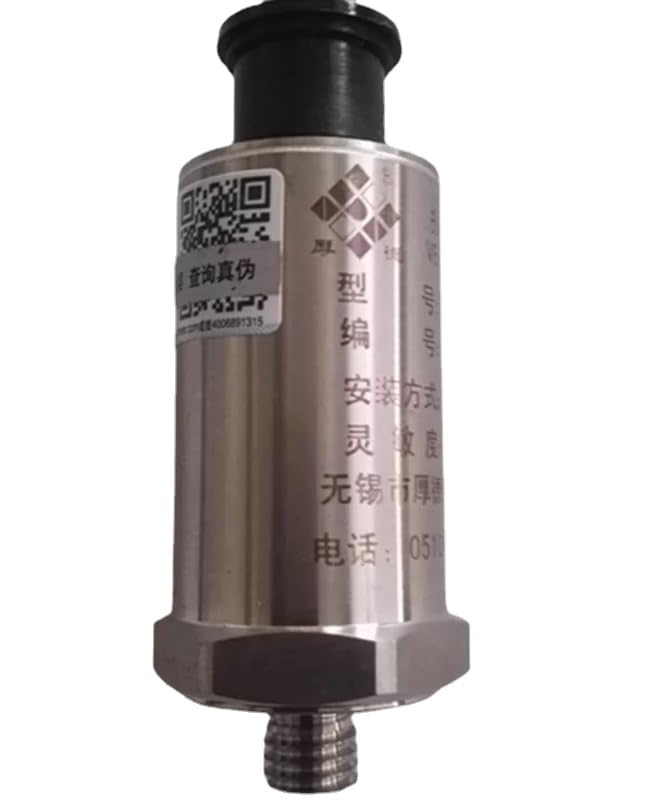
Figure 1: The yancinne ST-2FB Vibration Velocity Sensor Probe, typically used for industrial vibration monitoring.
2. Setup
- Unpacking: Carefully remove the sensor from its packaging. Inspect for any visible damage that may have occurred during transit. If damage is found, do not proceed with installation and contact your supplier.
- Mounting Location: Select a mounting location that is representative of the vibration you wish to measure. Ensure the surface is clean, flat, and free from debris. The sensor should be mounted securely to provide accurate readings.
- Mounting the Sensor:
- For stud-mounted sensors, ensure the mounting stud is tightened to the recommended torque (refer to specific product documentation if available, otherwise hand-tighten firmly).
- For adhesive mounting, use a suitable industrial adhesive and allow adequate curing time before operation.
- Electrical Connection: Connect the sensor's output cable to your vibration monitoring system or data acquisition unit. Ensure correct polarity and secure connections to prevent signal loss or interference. Refer to your monitoring system's manual for specific wiring diagrams.
3. Operating Instructions
- Power On: Once the sensor is securely mounted and connected, power on your vibration monitoring system.
- Signal Verification: Verify that the monitoring system is receiving a stable signal from the ST-2FB sensor. Check for any error indicators on your monitoring equipment.
- Data Acquisition: Begin data acquisition according to your monitoring system's procedures. The sensor will output a signal proportional to the vibration velocity.
- Monitoring and Analysis: Continuously monitor the vibration data. Analyze trends and compare readings against baseline data or established alarm limits to identify potential machinery issues.
4. Maintenance
- Regular Inspection: Periodically inspect the sensor and its cabling for any signs of physical damage, corrosion, or loose connections.
- Cleaning: Keep the sensor housing clean. Use a soft, dry cloth to wipe away dust and debris. Avoid using harsh chemicals or abrasive materials that could damage the sensor.
- Cable Integrity: Ensure that the sensor cable is not kinked, pinched, or exposed to excessive heat or chemicals. Secure cables to prevent accidental dislodgement.
- Calibration Check: While the ST-2FB is designed for long-term stability, periodic calibration checks are recommended, especially in critical applications, to ensure continued accuracy. Refer to industry standards or manufacturer recommendations for calibration intervals.
5. Troubleshooting
| Problem | Possible Cause | Solution |
|---|---|---|
| No vibration readings |
|
|
| Inaccurate or erratic readings |
|
|
6. Specifications
- Model Number: ST-2FB
- Part Number: HD-ST-3
- Manufacturer: yancinne
- Type: Vibration Velocity Sensor Probe
- ASIN: B0CYZR461K
- Note: For detailed technical specifications (e.g., frequency range, sensitivity, operating temperature), please refer to the product's datasheet or contact the manufacturer.
7. Warranty and Support
This yancinne ST-2FB Vibration Velocity Sensor Probe comes with a 120-day warranty from the date of purchase. This warranty covers defects in materials and workmanship under normal use.
For technical support, warranty claims, or further inquiries, please contact your original point of purchase or the manufacturer directly. Please have your product model number (ST-2FB) and purchase details ready when contacting support.