
Introduction
This manual provides comprehensive instructions for the safe and efficient operation, maintenance, and troubleshooting of your Generic 3-Thread Overlock Sewing Machine, models GN10 and QXGN11D. Please read this manual thoroughly before using the machine to ensure proper function and longevity.
Safety Instructions
- Always unplug the machine from the electrical outlet when not in use, before cleaning, or when performing any maintenance.
- Keep fingers away from all moving parts, especially around the needle and looper area.
- Use only the accessories recommended by the manufacturer.
- Do not operate the machine if the cord or plug is damaged, or if the machine is not working properly.
- Keep children and pets away from the machine during operation.
Product Overview
The Generic GN10/QXGN11D is a heavy-duty, semi-industrial 3-thread overlock sewing machine designed for both simple and more elaborate sewing tasks. It offers enhanced power and durability compared to typical household or portable overlock machines.

Figure 1: Front view of the overlock sewing machine, highlighting the needle and work area.

Figure 2: Angled front view, illustrating the thread path and tension controls.

Figure 3: Side view, revealing the motor and belt mechanism.

Figure 4: Rear angled view, showing the machine's back panel and power connection.

Figure 5: Top-down view, detailing the thread spool pins and upper assembly.
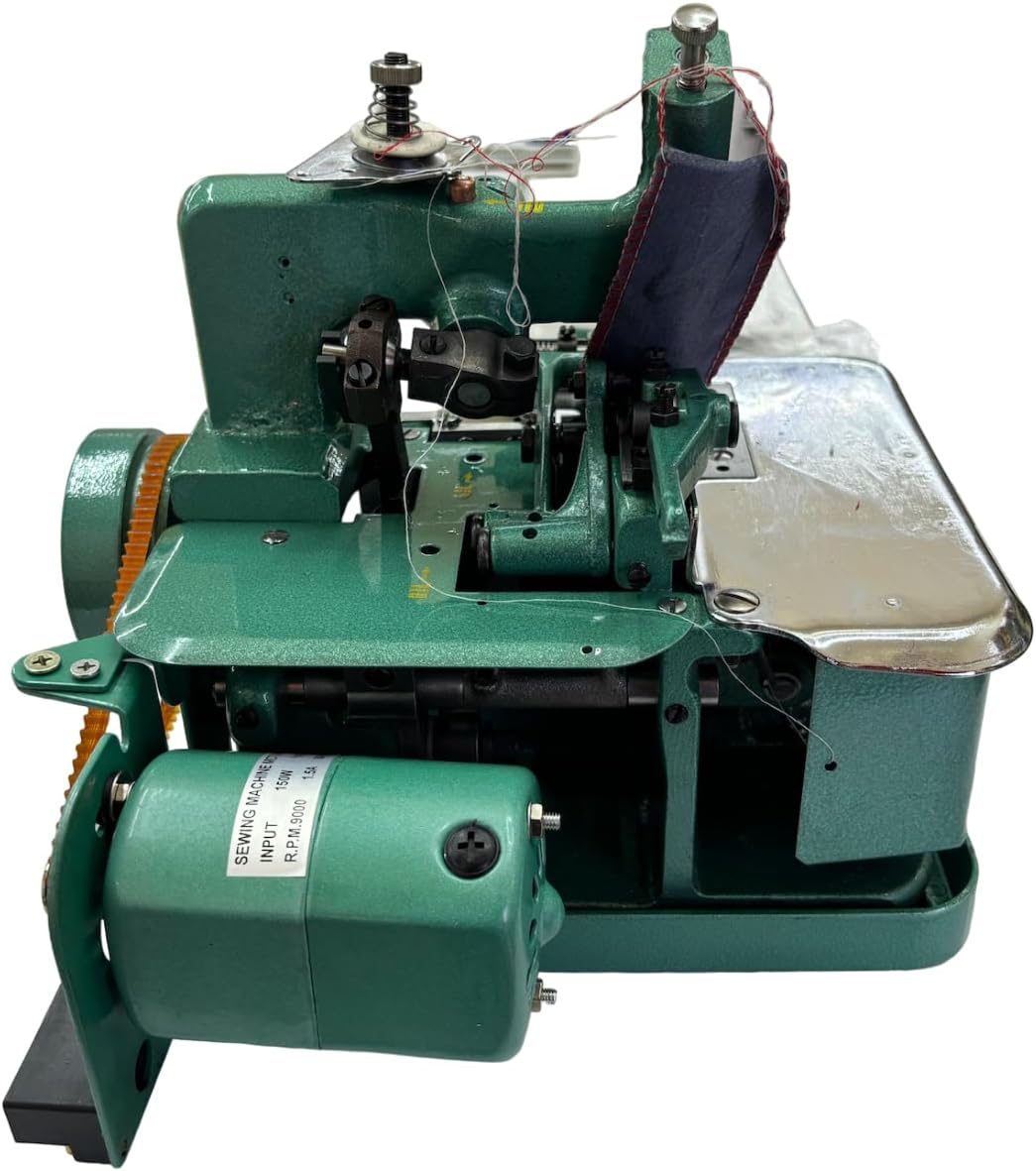
Figure 6: Alternate side view, providing a closer look at the motor and drive belt.

Figure 7: The foot pedal, used to control the machine's speed.
Setup
Unpacking and Placement
- Carefully remove the machine from its packaging.
- Place the machine on a stable, flat surface with adequate lighting.
- Ensure there is enough space around the machine for comfortable operation and fabric handling.
Power Connection
- Connect the foot pedal to the machine's power input.
- Plug the machine into a suitable electrical outlet. Ensure the voltage matches the machine's requirements.
Threading the Machine
Proper threading is crucial for correct stitch formation. Refer to the diagrams below for the correct threading path for each of the three threads.
- Raise the presser foot and needle to their highest positions.
- Follow the numbered thread guides for each thread (upper looper, lower looper, and needle thread).
- Ensure threads pass through all tension discs correctly.
- Thread the needle from front to back.
Operating Instructions
Basic Operation
- Turn on the power switch.
- Place the fabric under the presser foot.
- Lower the presser foot.
- Gently press the foot pedal to start sewing. Control speed by varying pressure on the pedal.
- Guide the fabric smoothly through the machine.
Adjusting Stitch Length and Differential Feed
The machine features controls for adjusting stitch length and differential feed, allowing for various fabric types and desired stitch effects.
- Stitch Length: Adjust the dial to increase or decrease the length of each stitch. Longer stitches are suitable for thicker fabrics, shorter for finer details.
- Differential Feed: This control helps prevent stretching or puckering of fabric. Adjust it to match the fabric type: higher settings for stretching fabrics, lower for gathering.
Tension Adjustment
Correct thread tension is vital for balanced stitches. Each thread has its own tension dial. Adjust them as needed to achieve a flat, even seam without loops or skipped stitches.
Maintenance
Cleaning
- Regularly clean lint and dust from the machine, especially around the needle plate, feed dogs, and looper area. Use a small brush or vacuum cleaner.
- Wipe the exterior with a soft, dry cloth. Do not use harsh chemicals.
Lubrication (Oiling)
Periodically oil the moving parts of the machine as indicated in the machine's internal diagrams (if applicable) or as recommended by a service technician. Use only high-quality sewing machine oil.
Needle Replacement
- Always use the correct type and size of needles for overlock machines.
- Replace bent, dull, or damaged needles immediately to prevent skipped stitches or fabric damage.
Troubleshooting
| Problem | Possible Cause | Solution |
|---|---|---|
| Skipped Stitches | Incorrect needle, bent needle, improper threading, incorrect tension. | Replace needle, re-thread machine, adjust tension. |
| Thread Breakage | High tension, poor quality thread, burrs on thread path, incorrect threading. | Reduce tension, use quality thread, check thread path for obstructions, re-thread. |
| Fabric Puckering | Incorrect differential feed setting, too much tension. | Adjust differential feed, reduce tension. |
| Machine Not Starting | Not plugged in, power switch off, foot pedal issue. | Check power connection, ensure switch is on, inspect foot pedal. |
Specifications
- Model: GN10, QXGN11D
- Brand: Generic
- Type: 3-Thread Overlock Sewing Machine, Semi-Industrial
- Color: Green
- Material: Stainless Steel
- Product Dimensions: 30 x 30 x 30 cm (11.8 x 11.8 x 11.8 inches)
- Product Weight: 10 kg (22 lbs)
- Special Features: Manual operation
Warranty and Support
For warranty information and technical support, please refer to the documentation included with your purchase or contact Generic customer service. Keep your purchase receipt as proof of purchase.
Customer Service Contact: Please refer to the seller's contact information on your purchase platform or the product packaging for support.