
1. Introduction
This manual provides essential information for the safe and effective use of your Sentasi Portable Aerosol Nebulizer. This highly efficient inhaler converts medication into fine mist particles quickly and effectively, making it suitable for individuals with coughs, asthma, and respiratory infections. Its portable design ensures convenient use at home, while traveling, or on the go.
The device features an improved LCD display, allowing easy monitoring of its operational status, including countdown, strong/weak mode, cleaning mode, low battery reminder, and liquid shortage alerts. This makes the device more intelligent and advanced compared to other nebulizers on the market.

Image 1: Sentasi Portable Aerosol Nebulizer and included accessories.
2. Safety Information and Warnings
Important: Always read the label, warnings, and instructions provided with the product before use or consumption. The product packaging may contain different information than what is shown in this manual.
- Do not use rechargeable lithium batteries. The high voltage of lithium batteries can damage the device's chip.
- Use only 5V adapters. Do not use 9V/12V/20V adapters, as high voltage will damage the chip. Precision devices require careful maintenance.
- Keep the device out of reach of children when not in use.
- Consult a healthcare professional for appropriate medication and dosage.
3. Product Components
The Sentasi Portable Aerosol Nebulizer package typically includes the following items:
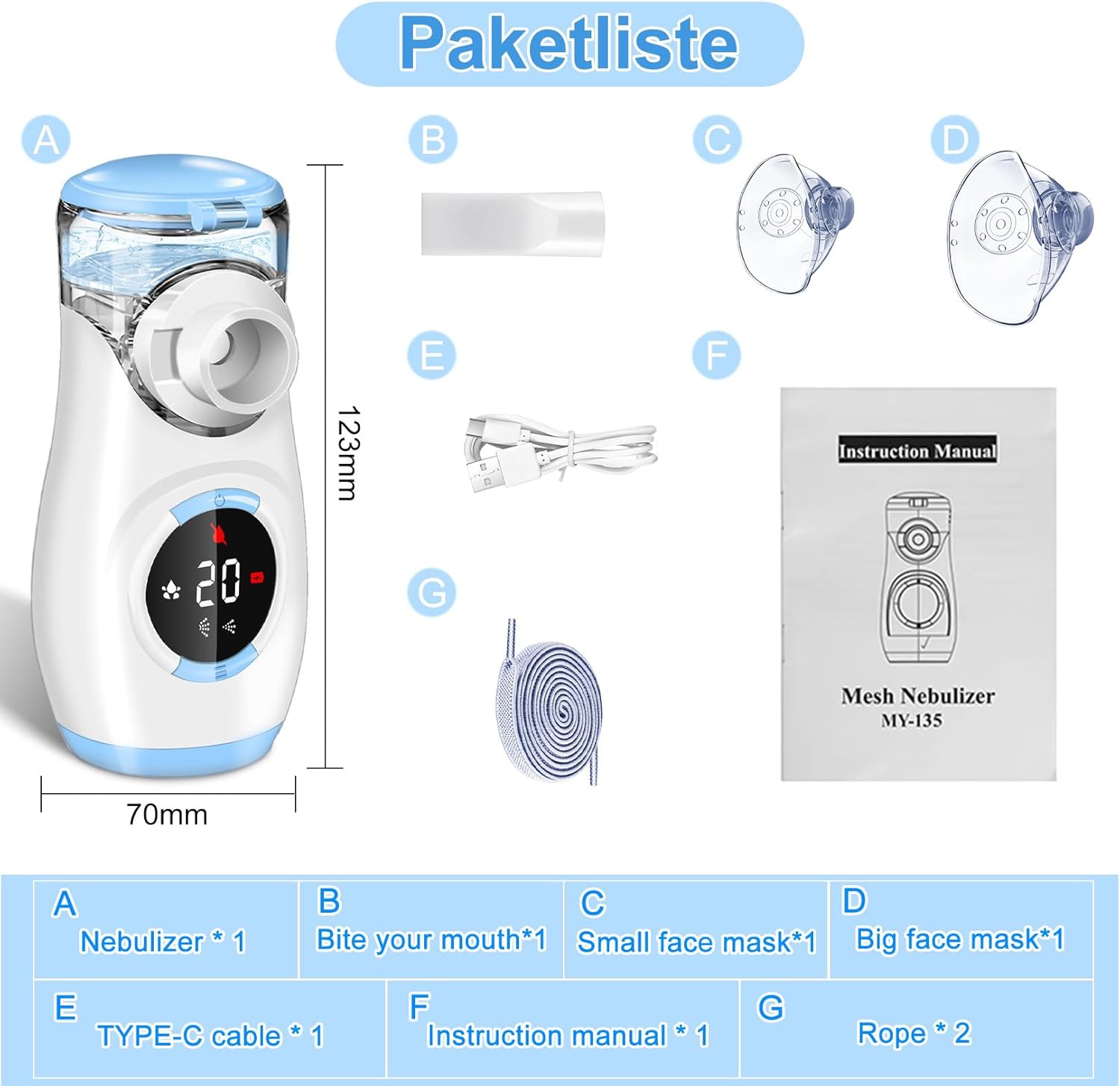
Image 2: Package contents and dimensions.
- Nebulizer Unit (1)
- Mouthpiece (1)
- Small Face Mask (1)
- Large Face Mask (1)
- Type-C USB Cable (1)
- Instruction Manual (1)
- Rope (2)
4. Setup
Before first use, ensure the device is properly assembled and powered.
- Power Supply: The device can be powered in two ways:
- Insert 2 AA alkaline batteries into the battery compartment at the bottom of the device.
- Connect the USB Type-C cable to a 5V1A AC charger and plug it into a power source. (Note: If both batteries and USB cable are used simultaneously, the USB cable takes precedence to conserve battery life.)
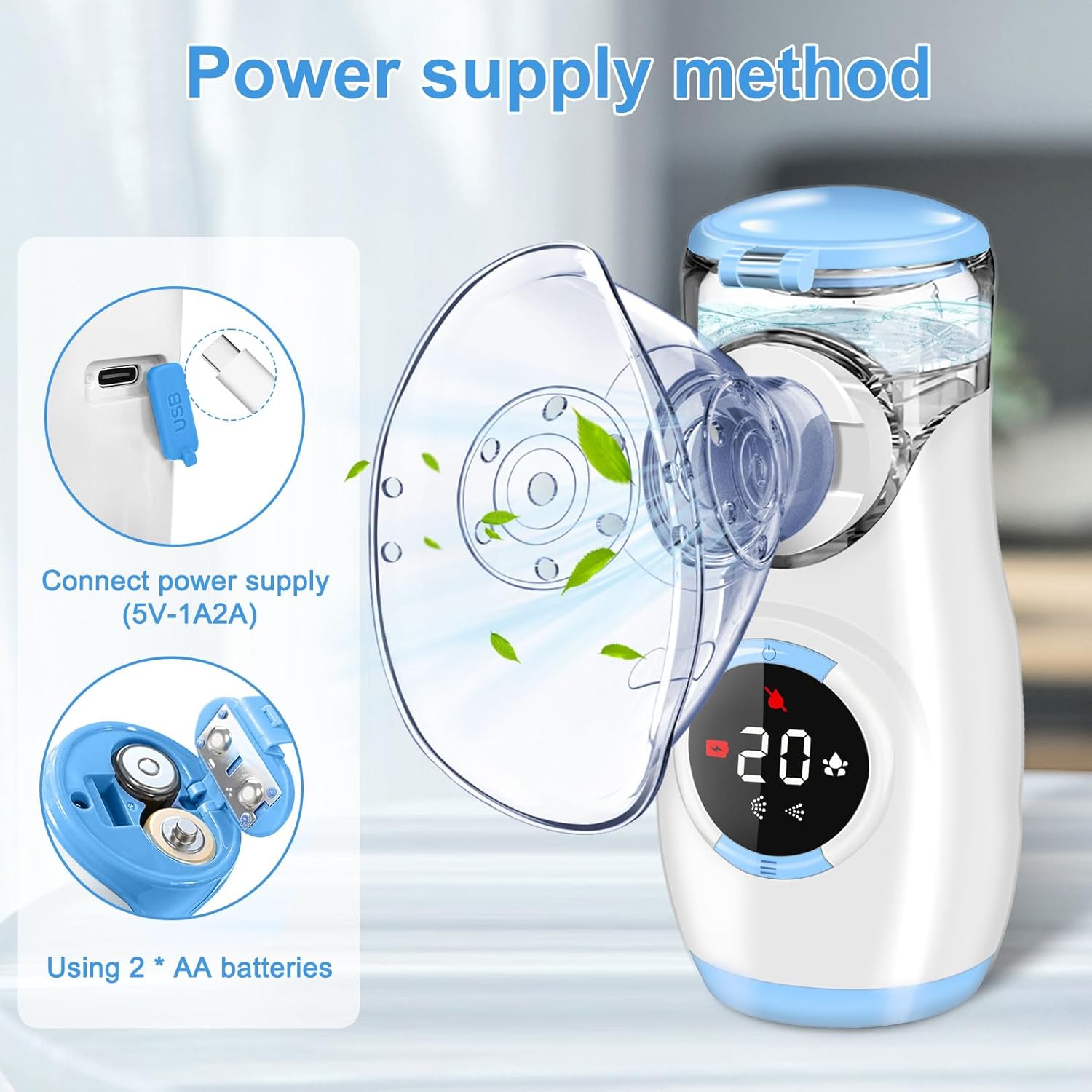
Image 3: Power supply options (AA batteries or USB-C).
- Fill Medication Cup: Open the liquid cup and fill it with the prescribed medication. The maximum liquid capacity is 10 ml. Ensure the cup is securely closed after filling.
- Attach Accessory: Choose the appropriate mask (small or large) or mouthpiece and securely attach it to the nebulizer unit.

Image 4: Usage Steps for the nebulizer.
5. Operating Instructions
The Sentasi nebulizer offers efficient and quiet operation with adjustable atomization modes.
5.1. Display Overview

Image 5: Nebulizer display and button functions.
- Power Button
- Liquid Shortage Symbol
- Low Battery Symbol
- Cleaning Symbol
- Time Display
- High Flow Icon
- Low Flow Icon
- Menu Button
- Button for removing the medication cup
- USB-C Charging Port
5.2. Atomization Modes
The device features two atomization modes and a cleaning mode:

Image 6: Display icons for various modes and warnings.
- Large Fogging Volume Mode: For a higher rate of nebulization.
- Small Fogging Volume Mode: For a lower, more gentle rate of nebulization.
- Cleaning Mode: Activates a 5-minute cleaning cycle.
The nebulizer produces mist particles smaller than 5µm, with a nebulization volume greater than 0.2-0.5 ml/min, ensuring efficient delivery to the alveoli.

Image 7: Particle size effectiveness and target users.
5.3. Quiet Operation
The portable inhaler operates at a noise level below 20dB with a vibration frequency of 100kHz, making it very quiet. It can be used even while resting without disturbing sleep.
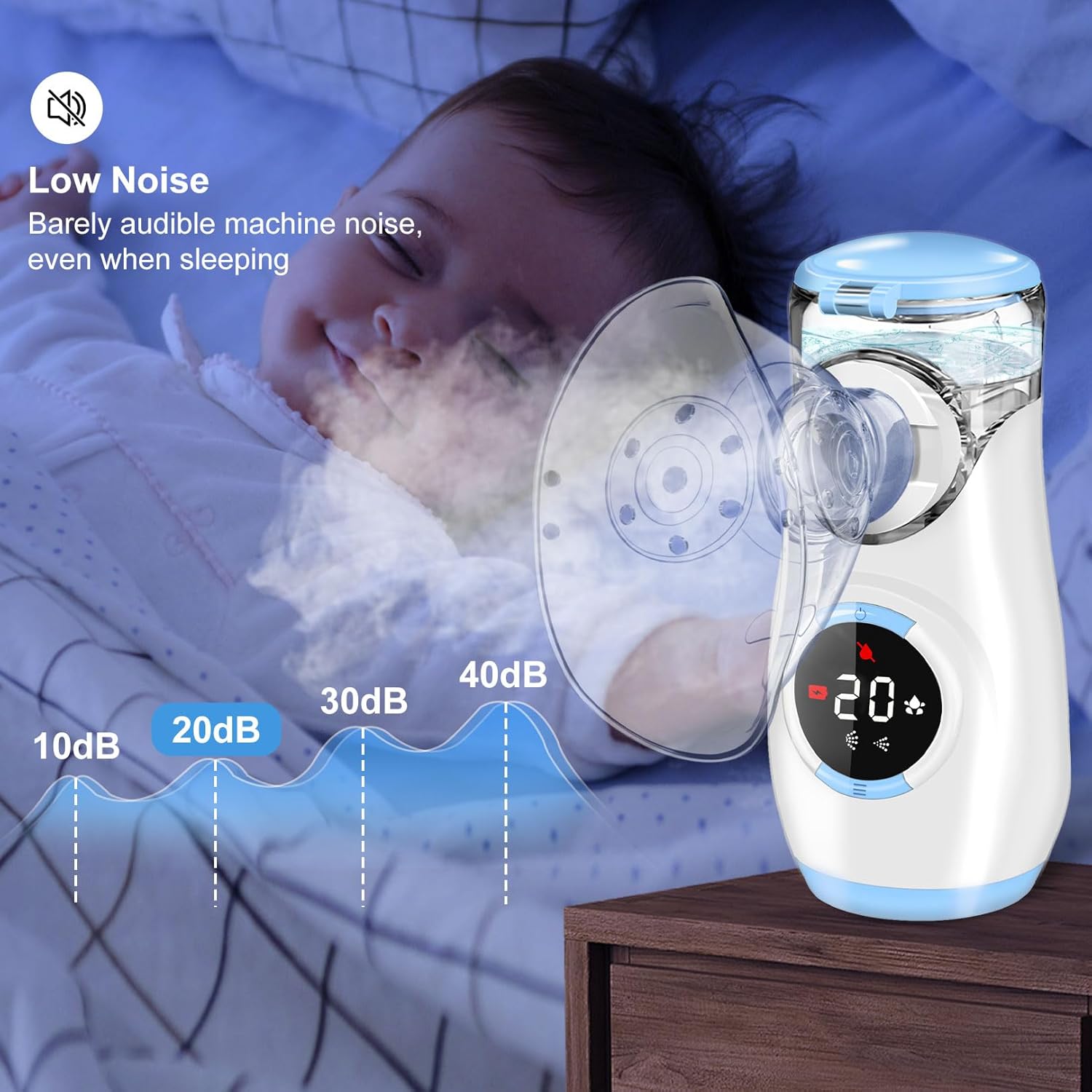
Image 8: Low noise operation, suitable for use during sleep.
6. Maintenance
Proper cleaning and maintenance are crucial for the longevity and hygiene of your nebulizer.
6.1. Cleaning Function
The device features a deep cleaning function:
- Press the “Mode Switch” button twice to activate the cleaning mode. The water drop icon will illuminate on the display.
- Wash the filter after each use to remove medication residues and prolong its lifespan.
- You can also remove the nebulizer head and the device housing to clean the upper medication container separately.

Image 9: Two types of cleaning methods.
7. Troubleshooting
If you encounter issues with your nebulizer, refer to the following common problems and solutions:
- Device not turning on: Check battery installation or USB power connection. Ensure batteries are not depleted.
- No mist production: Ensure the medication cup is filled with liquid. Check for any blockages in the filter or mesh. Activate cleaning mode if necessary.
- Low battery warning on display: Replace AA batteries or connect the device to a USB power source.
- No liquid warning on display: Refill the medication cup.
- Inconsistent mist: Ensure the medication cup is clean and free of residue.
8. Specifications
| Feature | Specification |
|---|---|
| Model Number | YM-3R9 |
| Product Dimensions | 10.6 x 4.4 x 4 cm (approx. 6.5 x 6.5 x 12 cm from feature bullets) |
| Product Weight | 85g (approx. 100g from A+ content) |
| Noise Level | < 20 dB |
| Nebulization Volume | > 0.2-0.5 ml/min |
| Particle Size | < 5µm (>65%) |
| Liquid Capacity | Max 10 ml |
| Power Consumption | 2.0 W |
| Power Supply | 2 AA alkaline batteries / DC Charge (5V1A) |
| Country of Origin | China |
9. Warranty and Support
For any issues or inquiries, please contact us via email. We are committed to providing a fast and friendly response to resolve any problems you may encounter. Your satisfaction is our priority.
Please refer to your purchase documentation for specific warranty terms and contact details.