
1. Introduction
This manual provides essential information for the safe and efficient installation, operation, and maintenance of your DC HOUSE 110V RV Camper Water Pressure Diaphragm Pump, Model DPHC-T33-110V. This pump is designed to deliver a steady, on-demand water flow for various applications including RVs, campers, food trucks, and marine vessels.
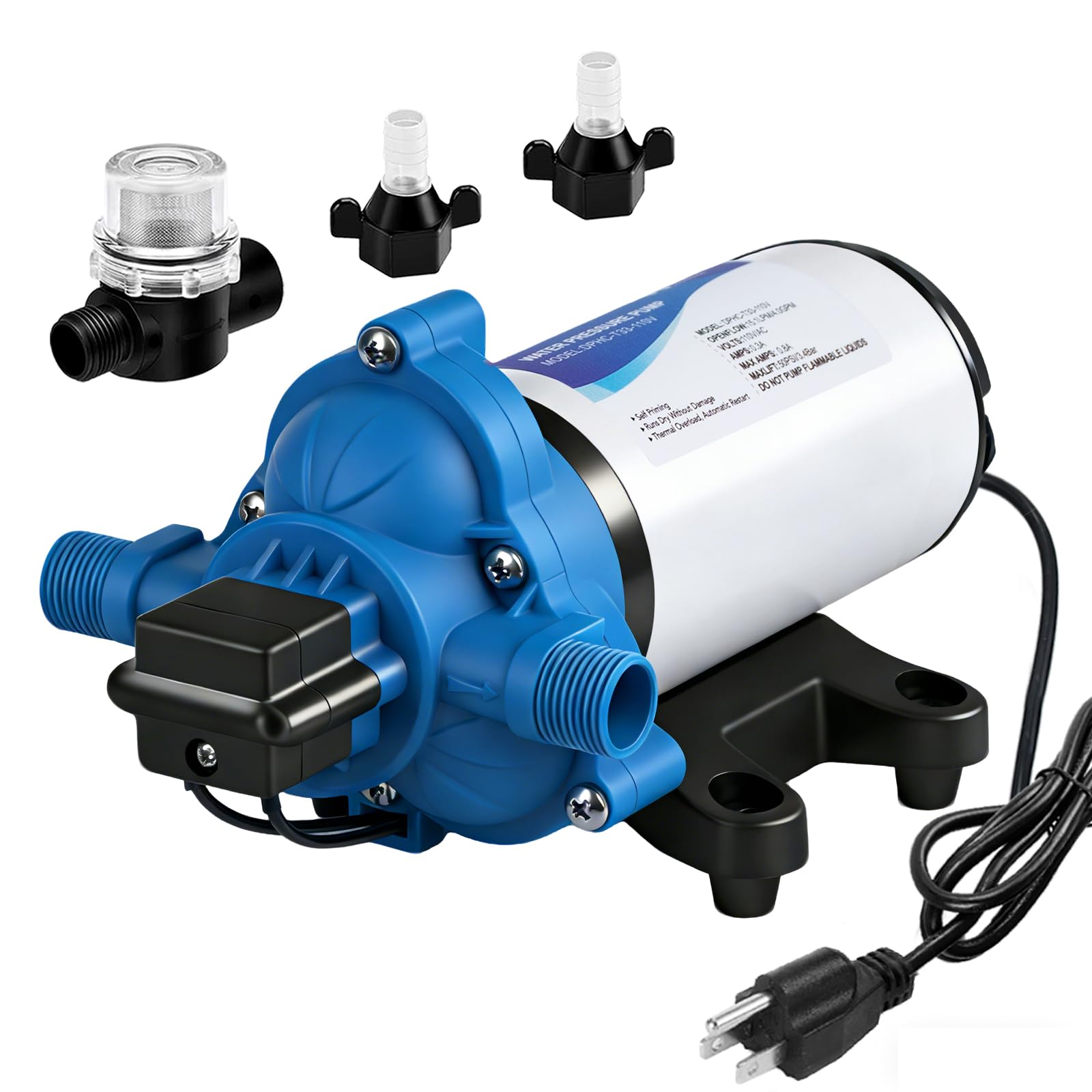
Image 1.1: DC HOUSE 110V RV Camper Water Pressure Diaphragm Pump, Model DPHC-T33-110V.
2. Safety Information
Please read and understand all safety instructions before installing or operating the pump. Failure to follow these instructions may result in electric shock, fire, serious injury, or property damage.
- Electrical Safety: Ensure the power supply matches the pump's voltage (110V AC). Always disconnect power before performing any service or maintenance. Use a grounded outlet.
- Water Safety: Do not pump flammable liquids. Ensure all connections are watertight to prevent leaks and potential electrical hazards.
- Installation: Install the pump in a dry, well-ventilated area. Avoid locations where it may be exposed to freezing temperatures.
- Operation: Do not run the pump dry for extended periods, although it features dry-run protection, prolonged dry operation can reduce pump lifespan.
- Children and Pets: Keep the pump out of reach of children and pets.
3. Package Contents
Verify that all items are present in the package:
- DC HOUSE 110V Water Pressure Diaphragm Pump
- Hose Adaptors (various sizes for flexible connection)
- Plumber's Tape
- Filter Screen (for inlet)

Image 3.1: Water pump and included accessories.
4. Specifications

Image 4.1: Product dimensions and components.
| Feature | Specification |
|---|---|
| Brand | DC HOUSE |
| Model Number | DPHC-T33-110V |
| Voltage | 110 Volts (AC) |
| Maximum Flow Rate | 4 Gallons Per Minute (GPM) |
| Cut-Off Pressure | 50 PSI |
| Maximum Head | 131 ft (40 m) |
| Max. Self-Priming Height | 9.8 ft (3 m) |
| Maximum Current | 0.8 A |
| Item Weight | 6.4 Pounds |
| Product Dimensions (L x W x H) | 12.4" x 5.1" x 5.1" |
| Material | Mesh, Metal, Plastic (Housing: Nylon Polypropylene; Diaphragm: Santoprene; Valves/Seals: EPDM/Viton) |
| Power Source | AC |
| Motor Type | Copper-core motor |
| Protection Features | Thermal Overload Protection, Dry Run Protection |

Image 4.2: Internal 3-chamber diaphragm design.

Image 4.3: Copper-core motor for enhanced durability.
5. Setup and Installation
Proper installation is crucial for the pump's performance and longevity. Follow these steps carefully:
- Mounting: Secure the pump to a solid, flat surface using the integrated mounting feet. The pump can be mounted in any position. Ensure there is adequate space around the pump for ventilation and maintenance. The anti-vibration rubber feet help reduce noise.
- Inlet Connection: Connect the water source (e.g., fresh water tank) to the pump's inlet port. Install the provided filter screen on the inlet side to prevent debris from entering the pump. Use plumber's tape on threaded connections to ensure a watertight seal. The pump has a self-priming lift of 9.8 feet.
- Outlet Connection: Connect the pump's outlet port to your water system (e.g., faucets, shower). Use appropriate hose adaptors and plumber's tape for secure, leak-free connections.
- Electrical Connection: Plug the pump into a standard 110V AC grounded electrical outlet. Ensure the power cord is not pinched or damaged.
- Initial Priming: Once all connections are secure, open a faucet in your system to allow air to escape. Turn on the pump. It will self-prime, drawing water from the source. Once water flows steadily from the faucet, close the faucet. The pump's pressure switch will automatically turn off the pump.

Image 5.1: Example installation of the water pump with an inline filter.
6. Operating Instructions
The DC HOUSE diaphragm pump features intelligent on-demand operation.
- Automatic Operation: The built-in pressure switch automatically activates the pump when a faucet or water outlet is opened, and turns it off when the outlet is closed and pressure builds up.
- Quiet Operation: The pump is designed for quiet operation, typically below 50dB, enhanced by anti-vibration rubber feet.
- Pressure Adjustment: The pump's cut-off pressure is factory set at 50 PSI. If adjustment is needed, carefully open the top cover of the pressure switch. Use an Allen wrench (not included, but typically a small hex key) to turn the adjustment screw. Turning clockwise increases pressure, and counter-clockwise decreases pressure. The adjustable range is typically 40-80 PSI. Do not over-adjust.

Image 6.1: Automatic pressure switch and adjustment mechanism.

Image 6.2: Pump designed for quiet operation (below 50dB).
7. Maintenance
Regular maintenance ensures optimal performance and extends the pump's lifespan.
- Filter Cleaning: Periodically inspect and clean the inlet filter screen to prevent clogging and maintain flow rate. Disconnect power, unscrew the filter housing, remove the screen, rinse it thoroughly, and reassemble.
- Leak Inspection: Regularly check all hose connections and the pump body for any signs of leaks. Tighten connections as needed.
- Winterization: In freezing conditions, the pump must be drained completely to prevent damage. Disconnect the inlet and outlet hoses, allow all water to drain, and store the pump in a warm, dry place.
- General Cleaning: Keep the exterior of the pump clean and free from dirt and debris.
8. Troubleshooting
Refer to the table below for common issues and their solutions.
| Problem | Possible Cause | Solution |
|---|---|---|
| Pump does not turn on | No power; Blown fuse/breaker; Loose wiring; Motor failure | Check power connection; Reset breaker/replace fuse; Inspect wiring; Contact support if motor fails. |
| No water flow or low flow | Inlet filter clogged; Air in system; Kinked hose; Low water source; Pump not primed | Clean inlet filter; Bleed air from system by opening faucets; Straighten hoses; Ensure adequate water supply; Re-prime pump. |
| Pump runs continuously (does not shut off) | Leak in system; Pressure switch malfunction; Air in system | Check for leaks in plumbing; Inspect pressure switch (do not attempt to repair if unfamiliar); Bleed air from system. |
| Excessive noise/vibration | Loose mounting; Debris in pump; Air in system | Ensure pump is securely mounted; Clean inlet filter; Bleed air from system. |
| Pump overheats and shuts off | Prolonged dry running; Restricted flow; Motor overload | Ensure water supply; Check for blockages in inlet/outlet; Allow pump to cool, then restart. Thermal protection will reset automatically. |
9. Applications
The DC HOUSE 110V Water Pressure Diaphragm Pump is versatile and suitable for various fresh water applications:
- RV and Motorhome fresh water systems
- Marine fresh water systems and washdown
- Food trucks and mobile kitchens
- Off-grid rain collection systems
- Small-scale irrigation and garden hose boosting
- Other liquid transfer applications requiring on-demand pressure

Image 9.1: Diverse applications of the DC HOUSE water pump.
10. Warranty and Support
DC HOUSE is committed to quality and provides reliable product support. For any questions, technical assistance, or warranty claims, please refer to the contact information provided with your purchase or visit the official DC HOUSE website. Specific warranty terms and conditions may apply and are typically detailed in the product packaging or on the manufacturer's website.

