
1. Introduction
This manual provides essential information for the proper installation, operation, and maintenance of your Glintique Cylinder for Linhai 700 ATV LH700 Engine. Please read this manual thoroughly before attempting any installation or maintenance procedures. Proper understanding and adherence to these instructions will ensure optimal performance and longevity of the product.
2. Safety Information
WARNING: Always prioritize safety when working with engine components. Improper installation or handling can lead to serious injury or damage to the vehicle.
- Ensure the engine is completely cool and the vehicle is turned off before beginning any work.
- Disconnect the battery to prevent accidental starting.
- Wear appropriate personal protective equipment (PPE), including safety glasses and gloves.
- If you are unsure about any step, consult a qualified mechanic.
- Keep all tools and parts organized to prevent loss or damage.
- Dispose of old parts and fluids responsibly according to local regulations.
3. Product Overview
The Glintique Cylinder is a critical component of the internal combustion engine, designed specifically for Linhai 700 ATVs and LH700 engines, including those found in go-karts and dune buggies. It forms the chamber where the piston moves, facilitating the combustion process that generates power. This cylinder is manufactured from durable materials to ensure reliable and long-lasting performance.

Image 3.1: Top-down view of the cylinder, showing the precision-machined bore where the piston operates.

Image 3.2: Side view of the cylinder, highlighting the mounting points and cooling fins (if present).

Image 3.3: Angled view of the cylinder, illustrating the internal liner and external casting.
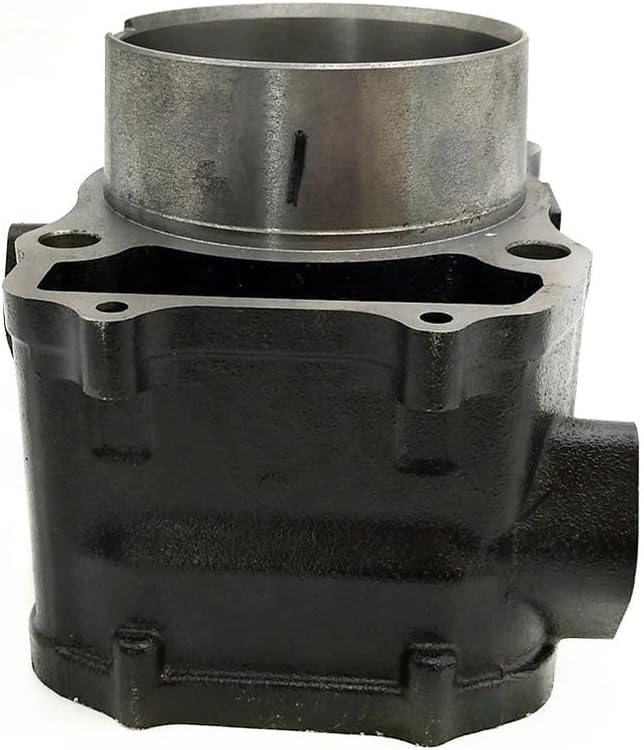
Image 3.4: Additional angled perspective of the cylinder, detailing its overall construction.

Image 3.5: Front angled view of the cylinder, showing the exhaust port area.
4. Specifications
| Feature | Detail |
|---|---|
| Model Number | Glintique-001 |
| Compatibility | Linhai 700 ATV, LH700 Engine (Go Karts, Dune Engines) |
| Package Dimensions | 1.18 x 0.79 x 0.39 inches |
| Item Weight | 1.76 ounces |
| Manufacturer | Glintique |
| Assembly Required | No (as a single component) |
| Number of Pieces | 1 |
5. Setup and Installation
Installation of an engine cylinder requires mechanical expertise and specific tools. If you are not confident in your abilities, it is highly recommended to seek professional assistance.
General Installation Steps (Consult Service Manual for Specifics):
- Preparation: Ensure the engine is clean and free of debris. Gather all necessary tools, gaskets, and lubricants.
- Remove Old Cylinder: Carefully remove the existing cylinder, piston, and related components, noting their orientation and connections.
- Inspect Components: Thoroughly inspect the piston, piston rings, connecting rod, and crankshaft for wear or damage. Replace any worn parts.
- Install Piston Rings: Install new piston rings onto the piston, ensuring correct orientation and gap spacing.
- Lubricate: Lightly lubricate the piston, piston rings, and the inside of the new cylinder with clean engine oil.
- Install Piston into Cylinder: Carefully compress the piston rings and slide the piston into the new cylinder.
- Mount Cylinder: Place a new cylinder base gasket on the crankcase. Carefully lower the cylinder assembly onto the crankcase, aligning the connecting rod with the piston pin.
- Secure Cylinder Head: Install the cylinder head gasket and cylinder head. Torque the cylinder head bolts to the manufacturer's specified values in the correct sequence.
- Reconnect Components: Reconnect all hoses, wires, and other components that were disconnected during removal.
- Fluid Levels: Refill engine oil and coolant (if applicable) to the correct levels.
- Initial Start-up: Perform an initial start-up and check for leaks or unusual noises. Follow the engine break-in procedure if recommended by the engine manufacturer.
6. Operating Principles
The cylinder is a static component that houses the piston. Its primary function is to provide a sealed chamber for the combustion process. During engine operation, the piston moves up and down within the cylinder bore, compressing the air-fuel mixture, allowing ignition, and then transferring the force of the expanding gases to the crankshaft. The integrity of the cylinder bore is crucial for maintaining proper compression and engine efficiency.
7. Maintenance
While the cylinder itself requires minimal direct maintenance, its longevity and performance are heavily dependent on the overall health of the engine and proper maintenance of related components.
- Regular Oil Changes: Ensure engine oil is changed at recommended intervals using the correct type and viscosity. Clean oil prevents excessive wear on the cylinder walls and piston rings.
- Air Filter Maintenance: A clean air filter prevents abrasive particles from entering the engine and causing premature wear to the cylinder bore.
- Cooling System Check: For liquid-cooled engines, ensure the cooling system is functioning correctly to prevent overheating, which can warp or damage the cylinder.
- Fuel Quality: Use high-quality fuel to prevent carbon buildup and ensure efficient combustion.
- Compression Checks: Periodically check engine compression. Low compression can indicate wear in the cylinder, piston rings, or valves.
8. Troubleshooting
Issues related to the cylinder typically manifest as symptoms of poor engine performance. Always consult a qualified mechanic for diagnosis and repair.
| Symptom | Possible Cause (Cylinder Related) | Action |
|---|---|---|
| Loss of Engine Power | Worn cylinder bore, damaged piston rings, cylinder head gasket leak. | Perform a compression test. Inspect cylinder and piston. Replace worn components. |
| Excessive Oil Consumption | Worn cylinder walls, worn piston rings. | Inspect cylinder bore for scoring. Replace piston rings or cylinder if necessary. |
| Blue/White Exhaust Smoke | Burning oil due to worn cylinder or piston rings. | Diagnose source of oil burning. May require cylinder or piston ring replacement. |
| Engine Overheating | Cylinder head gasket failure, warped cylinder head/block. | Check cooling system. Inspect gaskets and mating surfaces for damage. |
| Unusual Engine Noises (Knocking/Tapping) | Piston slap due to excessive cylinder wear, loose components. | Professional inspection required to identify source of noise. |
9. Warranty and Support
For specific warranty information regarding your Glintique Cylinder, please refer to the documentation provided at the time of purchase or contact the seller directly. Warranty terms typically cover manufacturing defects but may not cover damage resulting from improper installation, misuse, or normal wear and tear.
If you require technical assistance or have questions not covered in this manual, please contact Glintique customer support or your authorized dealer.